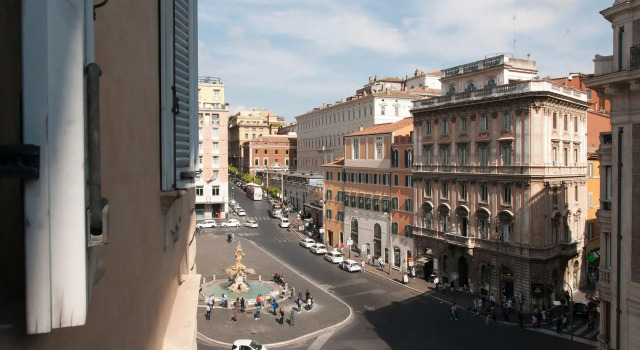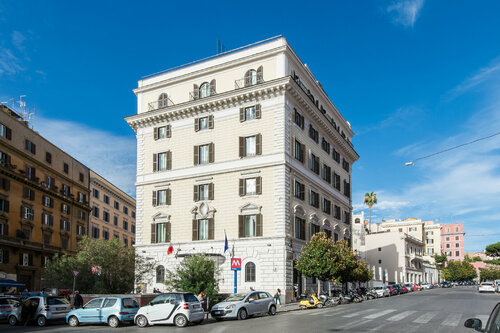

Nestled in the heart of Rome's historic center, Cavour Metro Station serves as a gateway to an extraordinary blend of ancient charm and modern convenience. Opened as part of Rome’s Metro Line B, this station is a pivotal stop for travelers eager to explore the city’s rich archaeological heritage. Named after the influential Italian statesman Camillo Benso, Count of Cavour, the area surrounding the station pulses with history, culture, and vibrant local life.
Cavour Metro Station lies just steps away from the Colosseum and the Roman Forum, making it an ideal starting point for anyone intent on delving into Rome’s imperial past. The station itself is modern, with clear signage and accessibility features, but it offers a remarkable contrast to the ruins and cobbled streets that stretch out on its surface. Visiting during spring or early autumn is particularly pleasant, as the weather brightens the ancient stonework without the intense crowds of peak summer; early mornings provide the best opportunity for quiet exploration before tour groups swell.
When planning your visit, allow ample time to wander through the nearby Capitoline Hill museums or simply lose yourself in the atmospheric alleys that lead to bustling piazzas. Because the station is located in a dense urban area, consider using public transport rather than driving, as parking near the historical sites can be scarce and expensive. Tickets for the metro can be purchased in advance at kiosks or via mobile apps, ensuring a smooth start to your day of sightseeing.
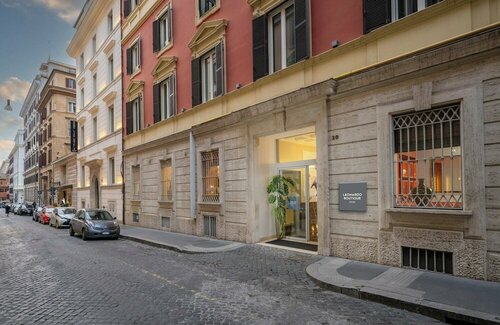
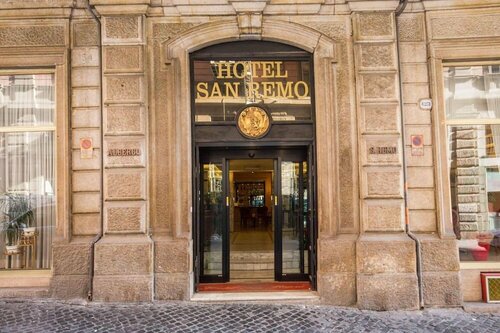
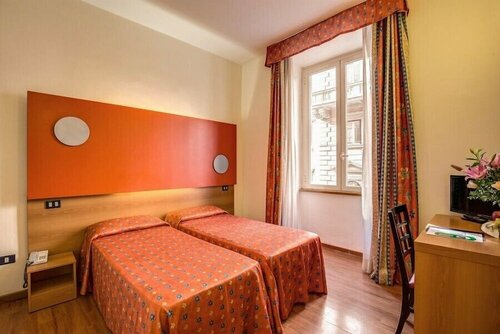
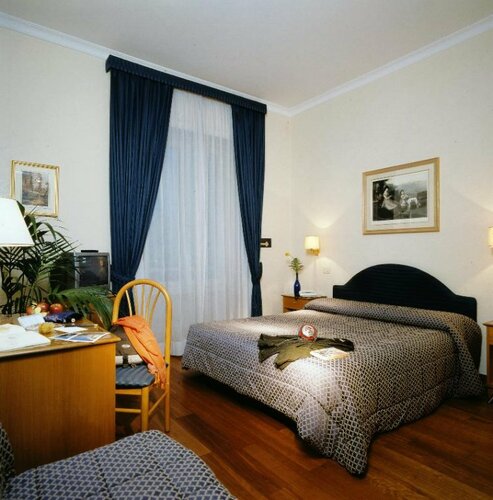
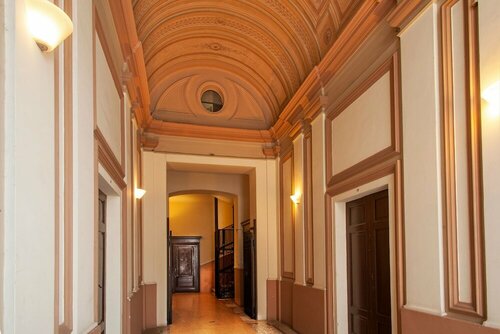
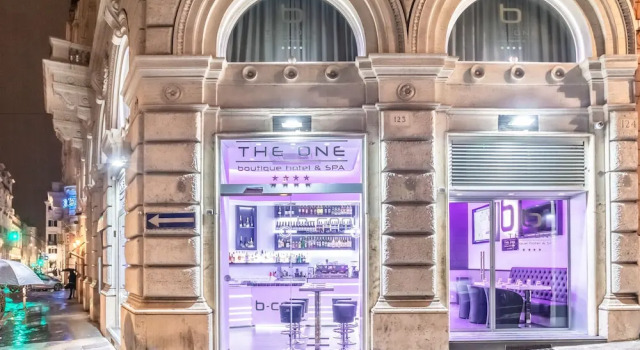
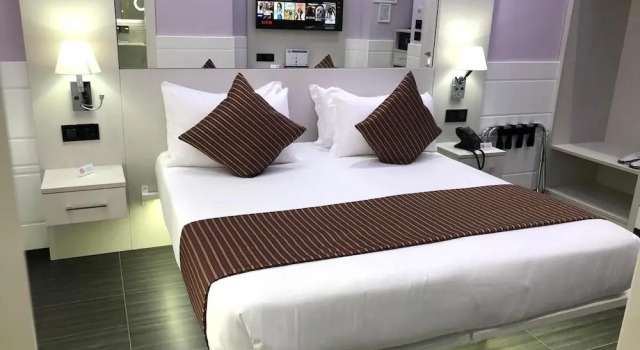
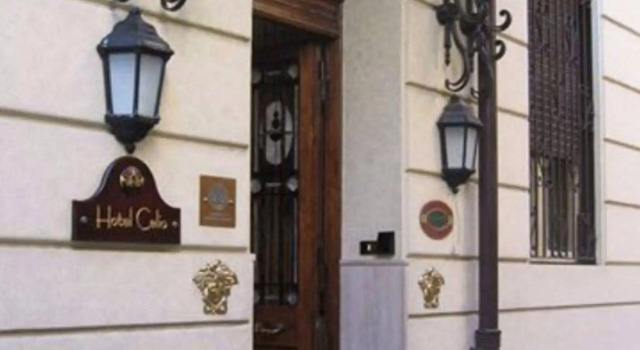
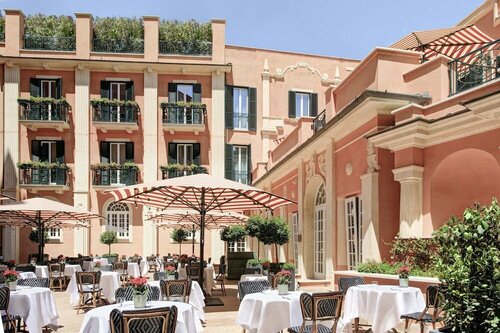
Choosing accommodations near Cavour Metro Station offers flexibility for a variety of travelers. For history enthusiasts and culture seekers, boutique hotels and charming guesthouses pepper the neighborhood, often housed in refurbished historic buildings that add authentic Roman flair to your stay. Families might prefer apartments or residences that provide more space and a kitchen, allowing for a comfortable base from which to explore at leisure. Business travelers will appreciate the proximity to central transportation links, which provide swift access to other parts of the city, including the business districts and train stations.