Rocco Forte Hotel De La Ville
Hotel
Hotels in Spagna, Downtown Rome Hotels
69 Via Sistina, Rome, 00187
9.8/10
Exceptional
50 reviews
Free Wi-Fi
Breakfasts
Parking
Swimming Pool
130 m.
Spagna
1 km.
Flaminio Train Station
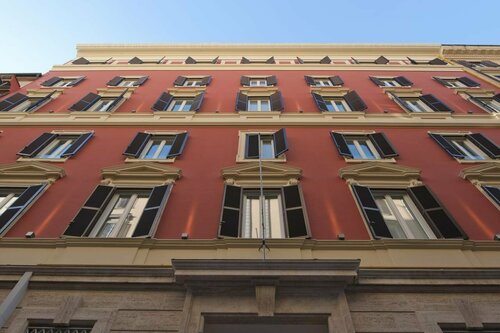
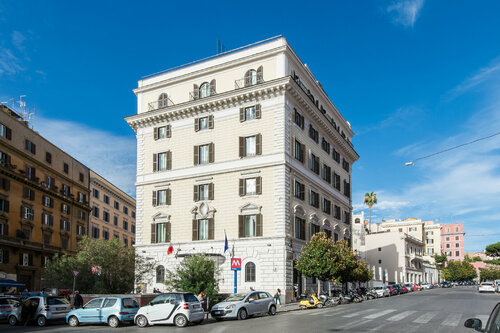
Rocco Forte Hotel De La Ville resides in a prime location above the Spanish Steps, providing immediate access to Rome’s most celebrated landmarks. The hotel is a short distance from the vibrant Spagna neighborhood, offering a gateway to the city’s cultural heart. This location ensures easy exploration of the area’s historic charm and fashionable boutiques.
Number of rooms: 192