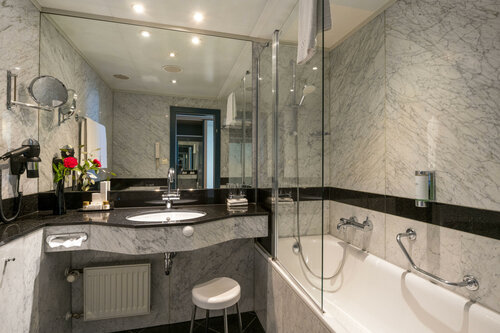


Maritim proArte Hotel Berlin
Hotel
Book accommodation in Mitte, Hotels in Central Berlin
Friedrichstrasse 151, Berlin, 10117
8.8/10
Excellent
41 review
Parking
Swimming Pool
210 m.
Friedrichstraße Suburban Railway and Underground Station
1.5 km.
Berlin Central Station
to the city center 610 m.
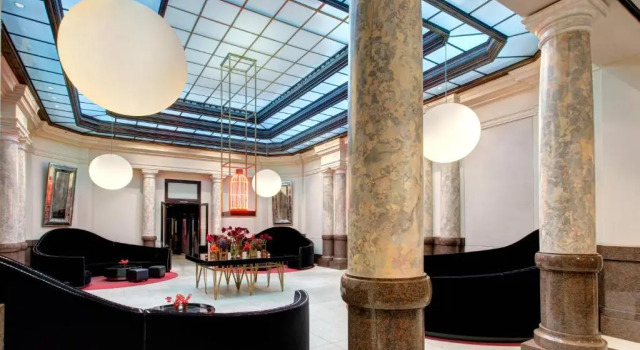
Discover a tranquil retreat in Berlin’s Mitte district. The Maritim proArte Hotel Berlin is situated on Friedrichstrasse, a vibrant shopping street, providing convenient access to the city’s cultural landmarks. It’s just 300 metres from a subterranean transit station, facilitating effortless exploration.
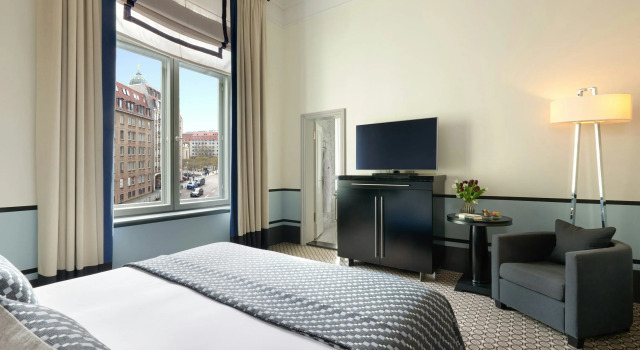
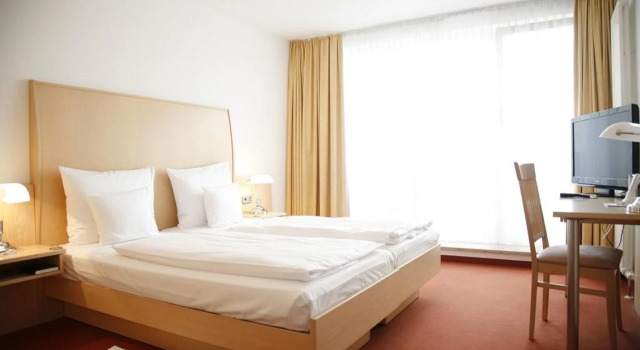
Number of rooms: 403
Hotel booked 1 times today.