Nestled within the serene precincts of Kyoto’s northwestern Arashiyama district, Ryoan-ji Temple stands as a timeless symbol of Zen simplicity and profound contemplation. Founded in the 15th century by Hosokawa Katsumoto, this UNESCO World Heritage site has captivated visitors for centuries with its enigmatic rock garden, a masterpiece of Japanese landscape design. The garden consists of fifteen carefully placed stones, cleverly arranged so that from any viewpoint only fourteen are visible, inviting endless reflection on perception and emptiness—an essence of Zen philosophy.
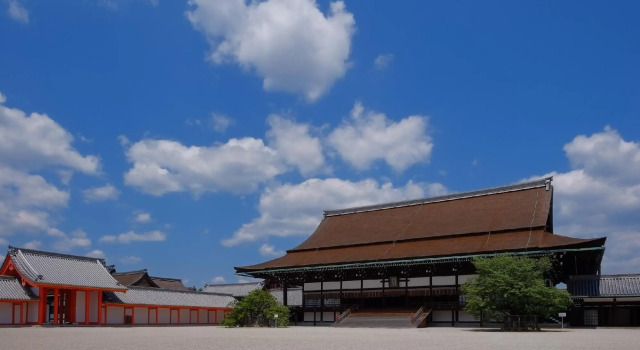
The temple complex also features a stunning pond garden and a historic temple building that houses priceless cultural treasures. Originally a country villa before its conversion into a Zen temple, Ryoan-ji offers a transcendent experience where natural beauty and spiritual heritage converge. The surrounding grounds boast seasonal transformations—from the delicate cherry blossoms in spring to the fiery palette of Japanese maples in autumn, each offering a uniquely meditative atmosphere.
Timing your visit can greatly enhance the experience. Early mornings or late afternoons tend to be quieter, allowing for a more personal connection with the garden’s tranquility. The temple is particularly striking during the fall when the crimson and gold leaves frame the austere rocks, though spring’s gentle blooms also provide a captivating contrast. In peak tourist seasons, the site can become crowded, so planning weekday visits or off-peak hours helps to avoid the busiest times.
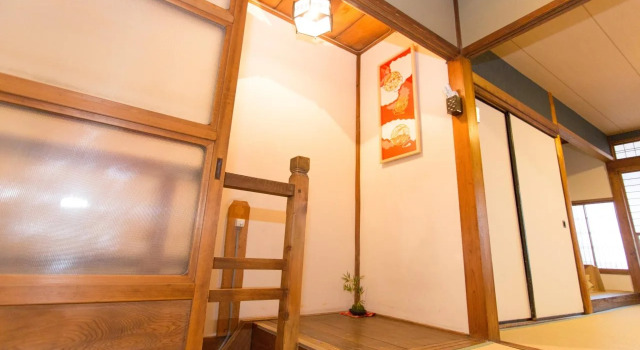
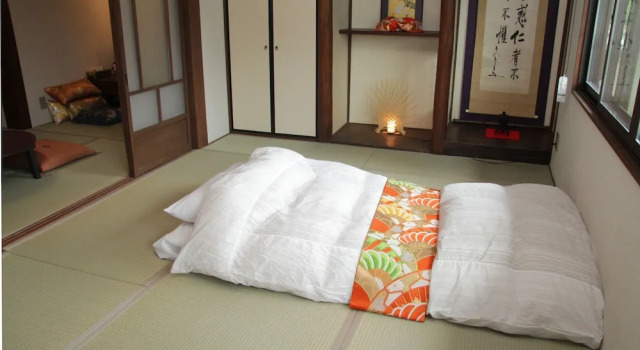
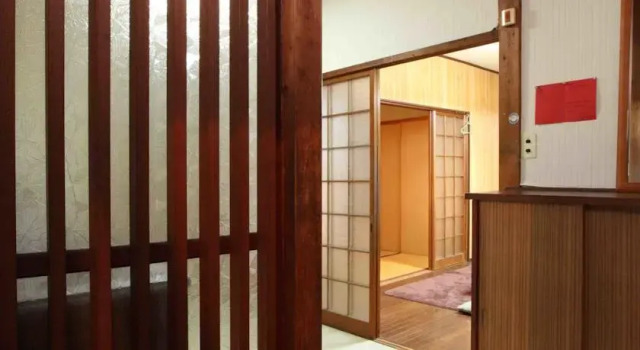
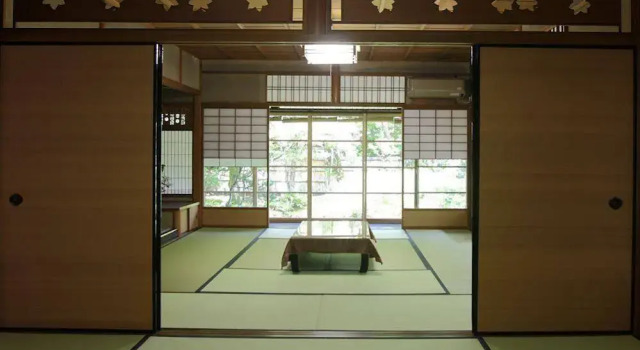
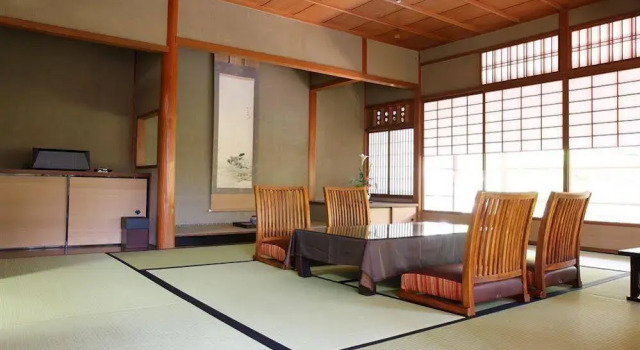
Accommodation near Ryoan-ji should be chosen with your travel goals in mind. For a traditional experience, consider staying at a ryokan, where tatami mats, futon bedding, and kaiseki meals immerse you in Japanese hospitality and culture. These inns often provide a serene atmosphere complementary to the temple’s peaceful aura. If your trip focuses on convenience and city exploration, modern hotels clustered in Kyoto’s central districts offer easy access to Ryoan-ji via public transport, typically within 30-40 minutes, along with a wider range of amenities.
For longer stays or travelers who value flexibility, serviced apartments or guesthouses in neighborhoods like Kamigyo or Kita wards offer a balance of comfort and local charm. These accommodations allow more intimate interaction with Kyoto’s daily life and often feature kitchens and living spaces ideal for families or those planning multiple day trips.
When booking, consider proximity to public transport such as bus routes or subway lines connected to Ryoan-ji to maximize your sightseeing efficiency. Whether you prefer the immersive calm of a traditional inn or the practicality of a city hotel, your choice will shape how you experience not only Ryoan-ji Temple but the enchanting tapestry of Kyoto itself.