Nestled in the verdant mountains north of Kyoto, Kurama-dera Temple offers visitors an enchanting blend of nature, spirituality, and history. Founded over a millennium ago in the 8th century, this revered Buddhist temple is dedicated to Sonten, a deity unique to Kurama, and has long been regarded as a powerful site for spiritual awakening and energy. The temple complex is perched high on Mount Kurama, accessible via a gentle yet rewarding hike through cedar-lined forest trails that reveal the area’s mystical charm. Along the way, you’ll encounter stone lanterns, tranquil streams, and small shrines that prepare you for the serene experience at the temple itself.
The temple’s history is intimately tied to legendary figures such as the founder of Reiki, Mikao Usui, who is said to have attained enlightenment at Kurama-dera, adding a layer of spiritual significance sought by both practitioners and curious travelers alike. Architecture enthusiasts will admire the traditional wooden buildings and the grand hall where intricate statues and vibrant murals evoke centuries of devotion and artistic craftsmanship.
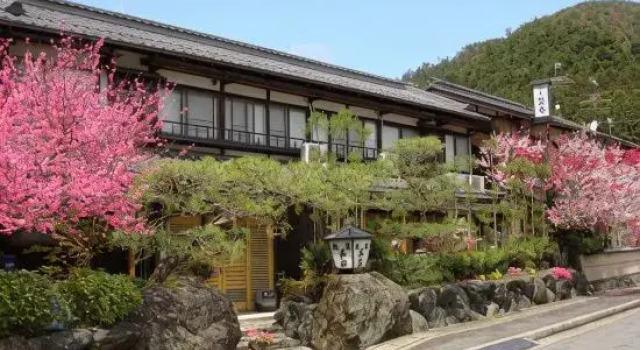
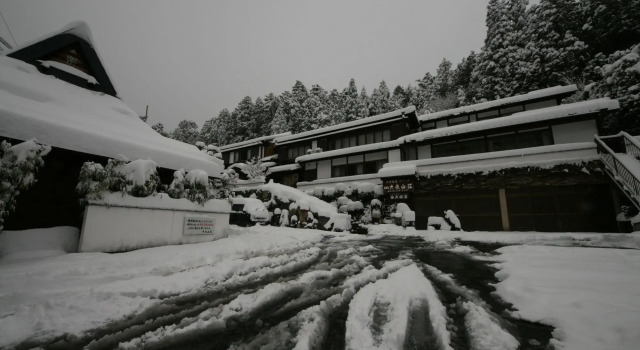
When planning a visit, it’s important to note that the temple is best enjoyed with a moderate amount of physical activity, as reaching the main hall involves a scenic uphill hike that takes approximately 30 to 40 minutes from the base station. The temple grounds are open year-round, but seasonal shifts dramatically enhance the experience: cherry blossoms in spring carpet the trails in soft pink, while vibrant autumn leaves set the forest ablaze in fiery hues. Winter visits offer a quiet, almost meditative solitude with occasional snow dusting the ancient trees.
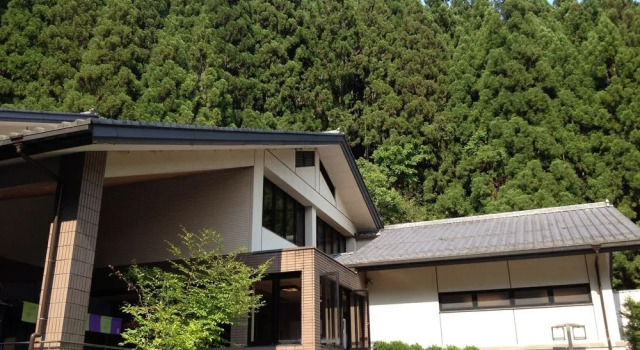
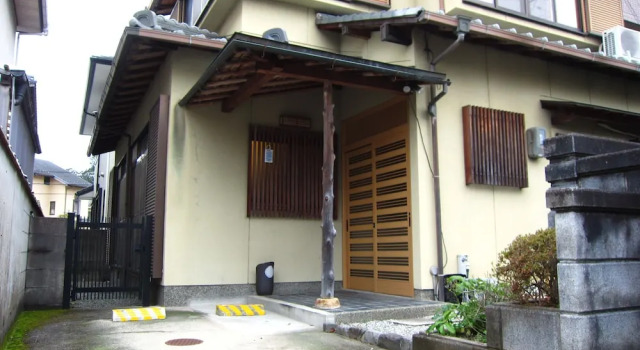
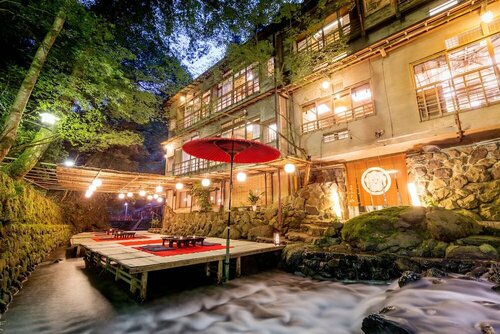
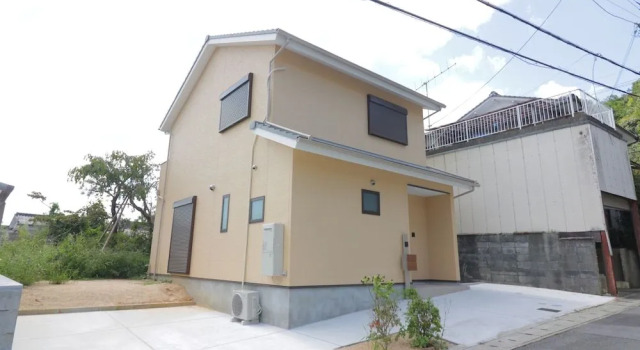
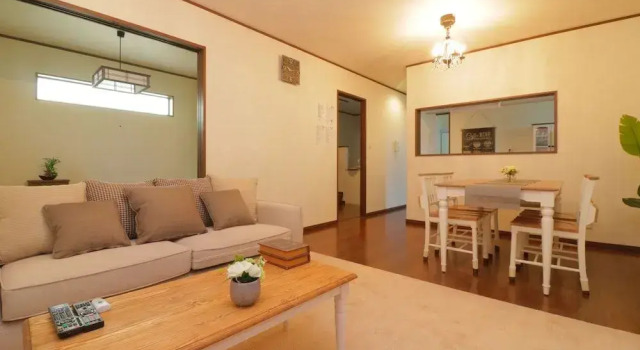
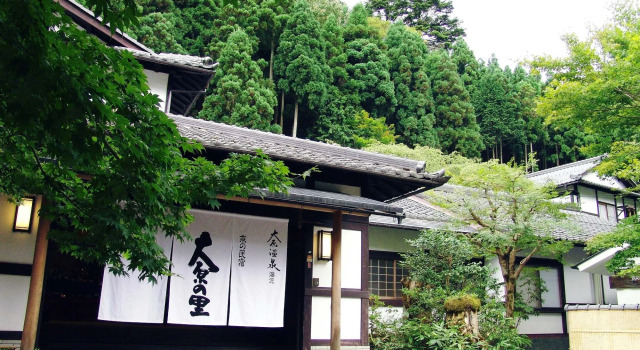
For travelers aiming to immerse themselves fully in this tranquil environment, booking accommodation nearby is ideal. The Kurama and Kibune areas provide charming traditional ryokan (Japanese inns) that emphasize comfort and cultural authenticity, featuring tatami-matted rooms and often onsen (hot spring) baths, perfect for relaxing after hiking. Those seeking convenience for day trips to central Kyoto might consider hotels in the city’s northern neighborhoods, which offer easy bus or train connections to Kurama while providing modern amenities. Apartments and guesthouses are also available for longer stays or budget-conscious visitors, giving flexibility depending on whether your focus is exploring Kyoto’s urban treasures or retreating into nature’s embrace.
By choosing accommodation that aligns with your travel goals—whether a peaceful ryokan close to nature or a well-connected hotel for city exploration—you will create a balanced itinerary that highlights the spiritual ambiance of Kurama-dera Temple alongside the cultural richness of Kyoto.