Perched on a hilltop just a few kilometers from Gangtok’s bustling center, Enchey Monastery stands as a serene beacon of spiritual heritage and architectural beauty in Sikkim. Founded in 1909 by Lama Druptab Karpo, a revered saint and disciple of the first Karmapa, this sacred site belongs to the Kagyu sect of Vajrayana Buddhism. The monastery, whose name means “Solitary Temple,” is renowned for its striking whitewashed walls and red roofs, nestled among lush pine and oak forests that embrace the hill—offering visitors both a tranquil retreat and a glimpse into Sikkimese religious culture.
Inside Enchey Monastery, vibrant murals depict tantric deities, legends, and historical tales central to Tibetan Buddhist tradition. The monastery is also celebrated for its annual Cham dance festival held in the twelfth lunar month, where masked monks perform ritual dances believed to ward off evil spirits and bless the land. For travelers, timing your visit during this period can provide a deeper cultural immersion, though off-season visits reveal a quieter, meditative ambiance.
When planning a visit, early morning or late afternoon are the best times to experience the monastery’s calm atmosphere and stunning views of the surrounding valley and Mount Kanchenjunga. The hill incline means visitors should wear comfortable shoes suitable for light trekking. Entrance is generally free, but respectful attire is required—covering shoulders and knees—and photography inside the main shrine is usually restricted to preserve the sanctity of the space.
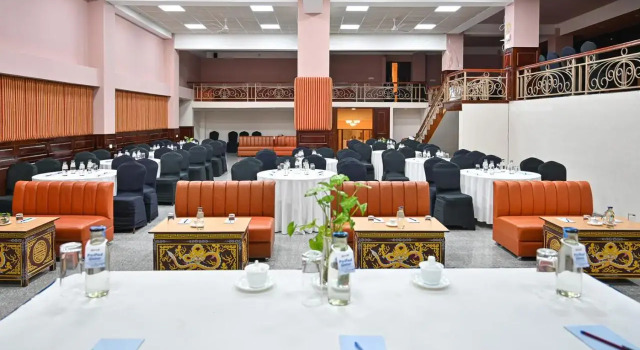
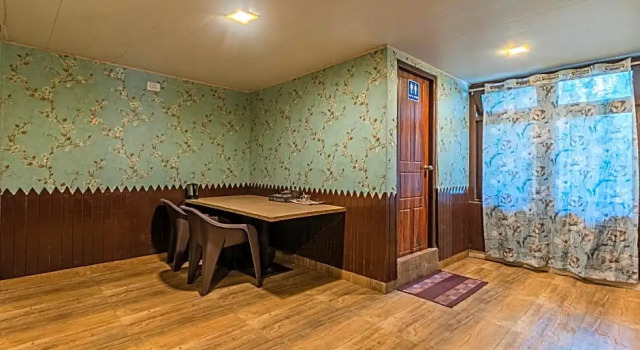
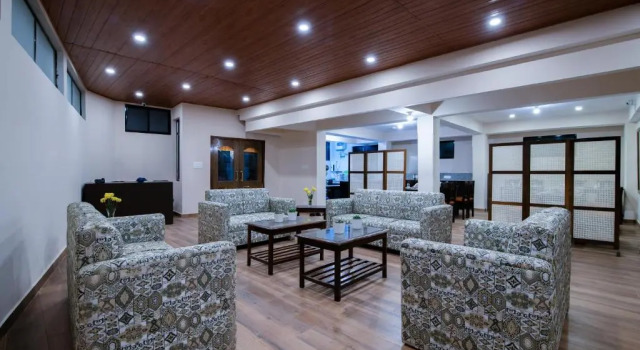
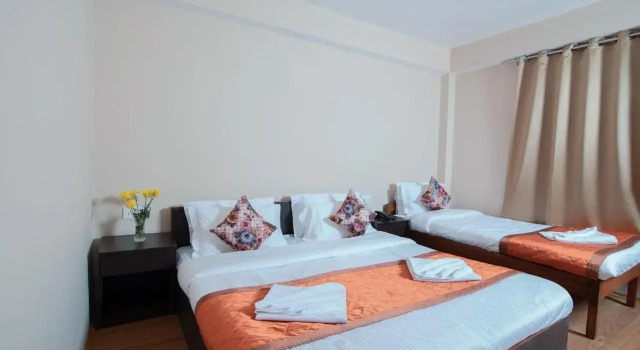
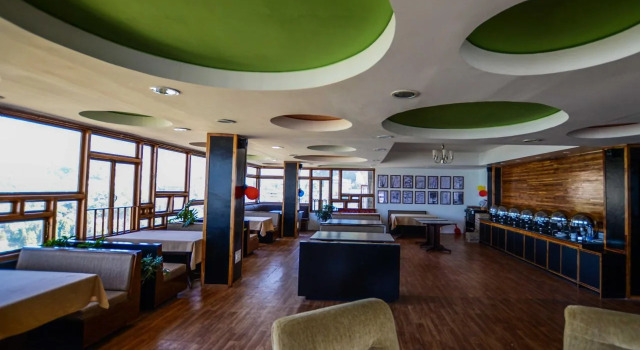
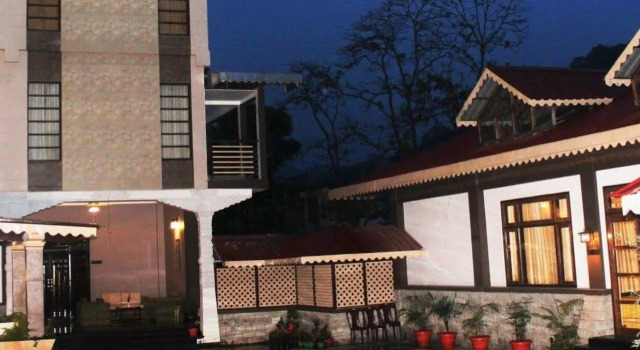
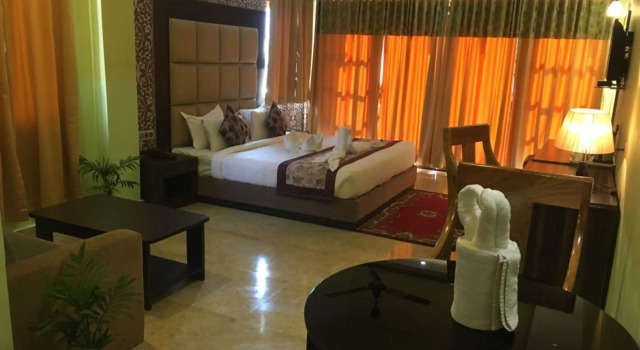
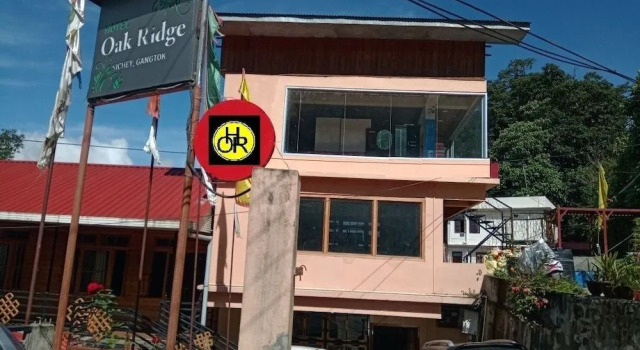
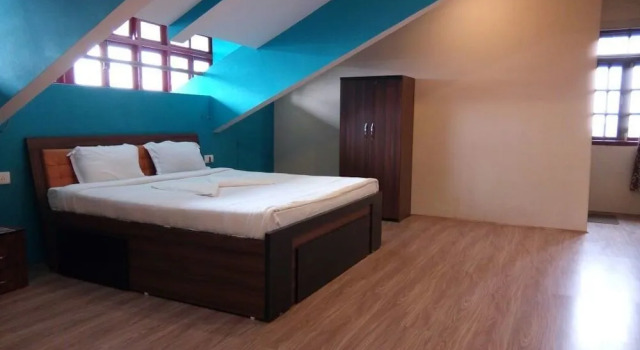
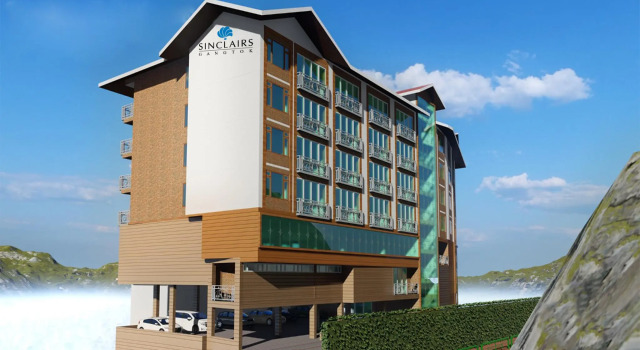
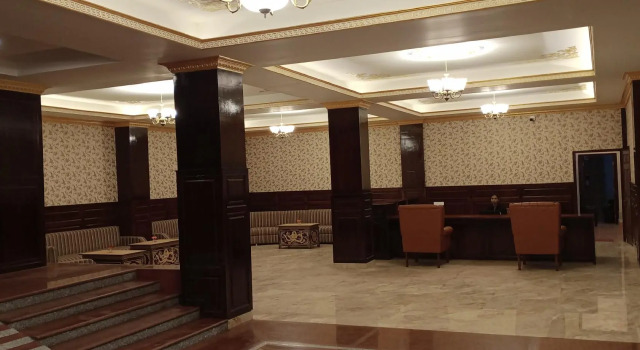
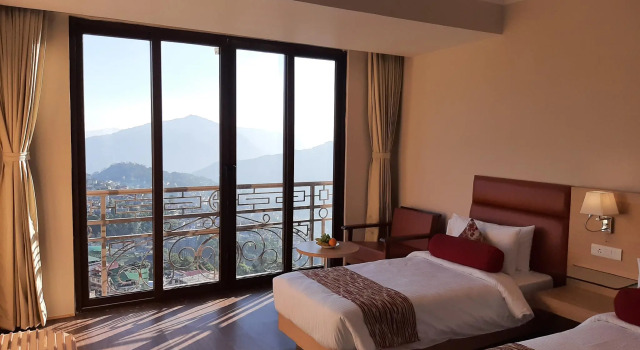
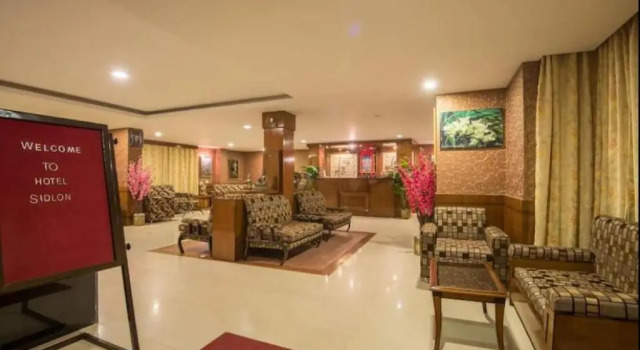
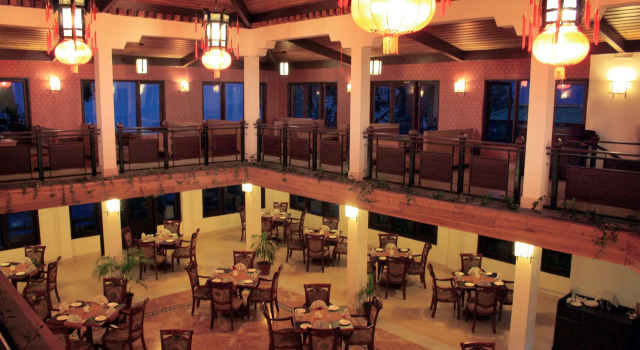
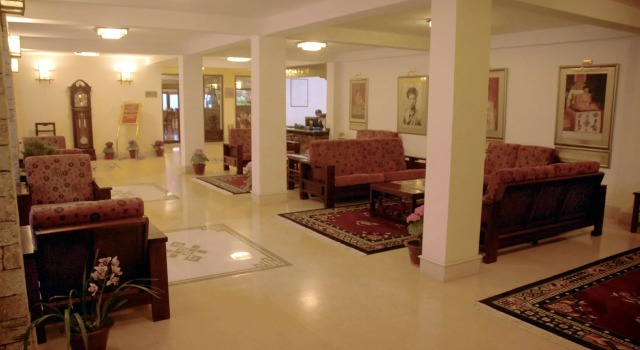
Accommodation choices near Enchey Monastery vary widely according to your travel plans. For those seeking convenience and easy access to city attractions, Gangtok’s central area offers numerous hotels and boutique inns within a short drive or even walking distance from the monastery. These options are perfect for travelers aiming to combine spiritual exploration with urban comforts, including dining and shopping. If tranquility is your priority, consider lodging in guesthouses or homestays on the outskirts, where hospitality is often more personalized and the natural surroundings more immersive. For longer stays or group visits, serviced apartments provide practical amenities and greater independence, ideal for blending cultural sightseeing with work or leisure.