Muyinga Market in Kobero stands as a vibrant testament to the rich cultural tapestry and economic life of this border town. Nestled in northeastern Burundi, near the frontier with Tanzania, this bustling market has evolved over decades from a modest trade spot to a crucial commercial hub. Traders from both countries converge here, exchanging an array of goods ranging from fresh produce and handcrafted textiles to spices and traditional artifacts. The market’s history reflects the broader story of cross-border commerce and community ties in the Great Lakes region, making it a fascinating destination for travelers seeking an authentic local experience.
When planning a visit to Muyinga Market, timing and preparation are key. The market operates daily but peaks in activity during mornings and early afternoons, when fresh goods are best displayed, and bargaining energy is at its liveliest. Weekends and public holidays often draw larger crowds, amplifying the vibrant atmosphere but also requiring more patience and awareness. Seasonal nuances also play a role: the rainy season, roughly from March to May and October to November, can sometimes impact accessibility due to muddy roads, so waterproof footwear and light rain gear are advisable. Conversely, the dry season offers easier mobility and better opportunities to explore the surrounding town and nearby natural attractions after your market visit.
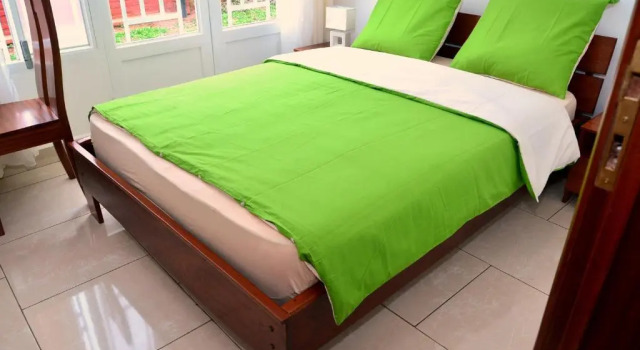
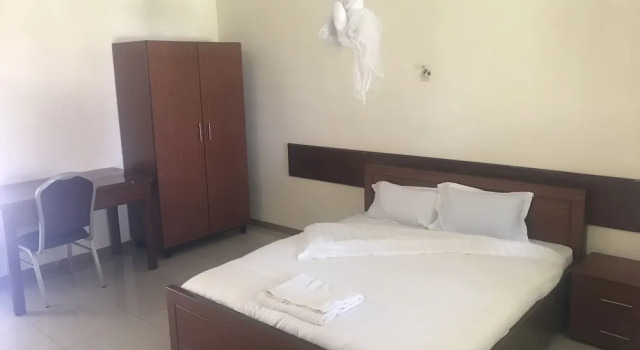
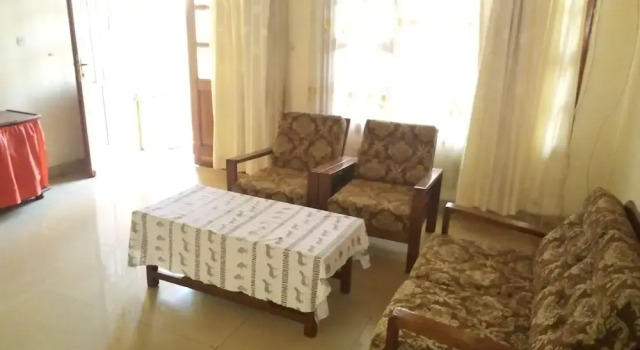
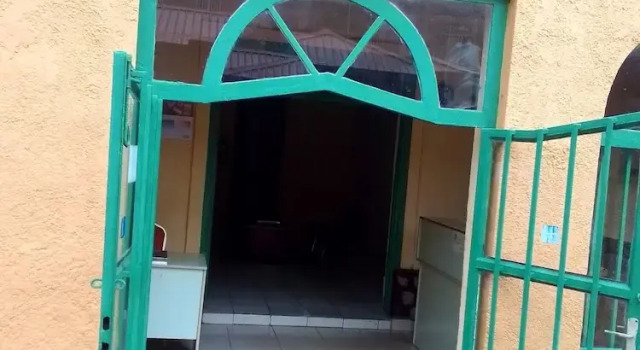
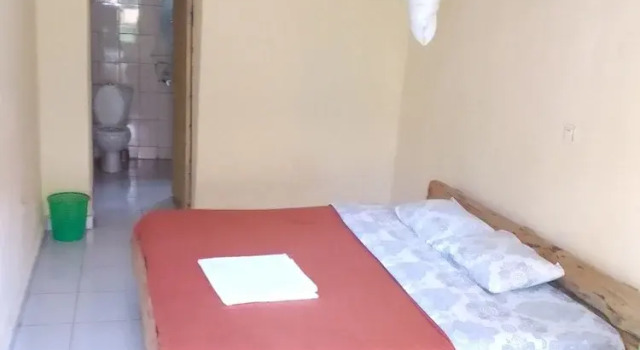
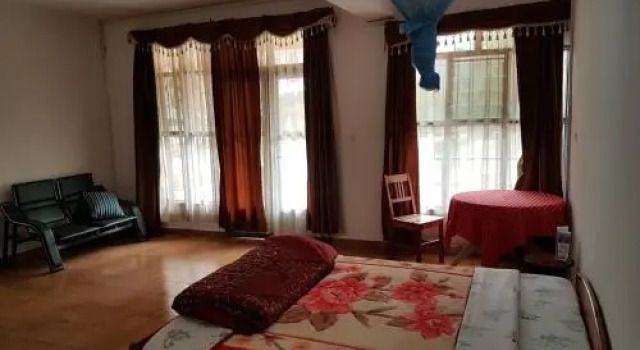
Accommodation near Muyinga Market is varied, catering to diverse traveler needs. For those prioritizing convenience and immersion, small hotels and guesthouses within walking distance are ideal, offering easy access to the market’s morning bustle and the chance to soak in the local rhythm. Business travelers or longer-stay visitors may prefer more comfortable lodgings with amenities such as reliable internet and private dining options, typically found a little further from the market but still within a short taxi ride. If you plan on exploring the border area extensively or coordinating with Tanzanian counterparts, choosing accommodations on the main transit routes can save commuting time. Apartments and inns with kitchen facilities also suit families or independent travelers who wish to experience local cooking or maintain dietary routines.
Whichever lodging type you choose, booking in advance is prudent, especially during regional holidays and market peak periods. Security, cleanliness, and proximity to transportation hubs are essential criteria, given the lively, sometimes crowded environment of Kobero.