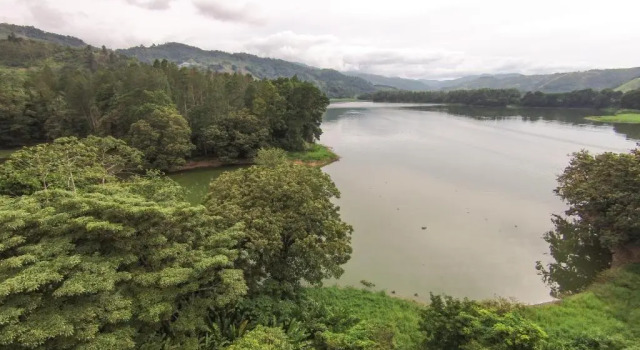
Nestled in the verdant hills of Costa Rica’s Orosí Valley, the Ujarras Ruins stand as a silent testament to the country’s colonial past. These stone remains, dating back to the late 16th and early 17th centuries, once formed part of one of the earliest Spanish churches constructed in the region. Originally a mission chapel dedicated to Saint Joseph, the Ujarras Ruins offer a unique glimpse into the early ecclesiastical architecture and the religious fervor that shaped Costa Rica’s colonial settlement patterns. Thick stone walls, partially reclaimed by nature, reveal the skill of Indigenous laborers under Spanish direction, while the serene surroundings evoke a sense of reflective stillness.
Visiting the Ujarras Ruins is more than a stroll through a historic site; it’s an immersive experience in a place where history and nature intertwine. The ruins are situated near a peaceful village, making the journey tranquil and culturally enriching. To fully appreciate the site, plan your visit for the dry season, typically between December and April, when trails are accessible, and the weather is pleasantly warm. Mornings or late afternoons offer the best lighting for photography, with softer shadows enhancing the textures of the old stonework. Since the area is somewhat remote, visitors should wear sturdy footwear and bring water, mosquito repellent, and sun protection. Guided tours, which may be arranged through local operators or the nearby town of Cartago, provide deeper insight into the ruins’ historical context and the broader colonial history of the region.
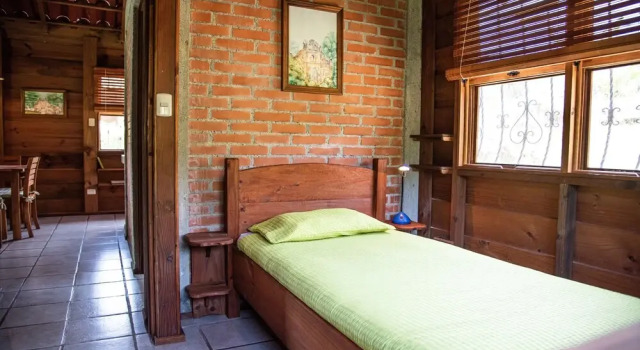
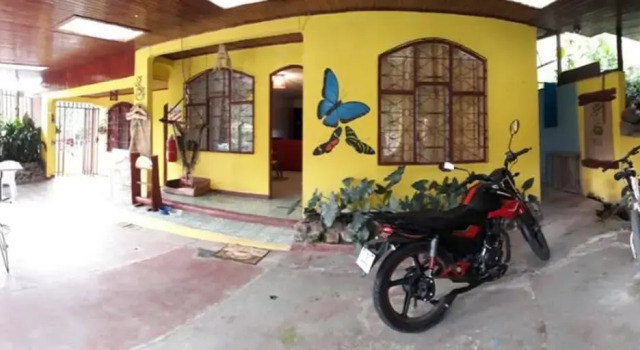
Accommodations near the Ujarras Ruins cater to a variety of traveler preferences, from rustic country inns to boutique eco-lodges and charming bed-and-breakfasts. For those prioritizing relaxation and nature immersion, small inns nestled in the hills afford serene views and quietude, ideal for contemplative stays after exploring the ruins. Travelers focused on cultural exploration might prefer staying in Cartago, Costa Rica's former capital, where a wider range of hotels and amenities complement visits to Ujarras along with other historical attractions. Families and groups might opt for vacation rentals or apartments that provide space and kitchen facilities, enabling a home-like stay in the heart of the valley. Regardless of the choice, proximity to local dining and authentic Costa Rican cuisine further enriches the experience, allowing guests to blend history, nature, and gastronomy seamlessly while uncovering the layered stories of the Ujarras Ruins.