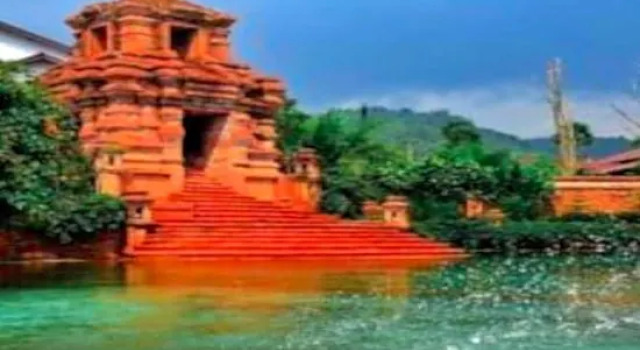
Nestled on the slopes of Mount Lawu, Sukuh Temple stands as one of Central Java’s most enigmatic and visually striking ancient sites. Unlike the intricate and refined Buddhist temples found throughout Indonesia, Sukuh Temple is a unique Hindu sanctuary built in the 15th century, characterized by its unusual pyramid-like structure and vivid carvings. Its design reflects a blend of Javanese mysticism and Hindu symbolism, highlighting fertility themes and ancestral worship. The temple’s distinct shape and raw, almost primitive sculptures set it apart, making it an intriguing destination for travelers seeking more than the typical cultural experience.
Exploring Sukuh Temple reveals intricate reliefs that portray scenes from the Ramayana intertwined with local myths. Unlike many other temples, the architecture here is relatively simple, yet its powerful aura and unique terracing impress visitors with both spiritual energy and artistic boldness. Because the temple sits at an altitude of around 910 meters above sea level, the panoramic views of lush valleys and surrounding hills are spectacular, adding a natural charm to the visit.
When planning a trip to Sukuh Temple, timing can enrich your experience. The dry season, between May and September, is ideal for trekking in the region and exploring outdoors comfortably, as the paths around the temple and nearby hiking trails become much more accessible. Visitors should also be mindful of the cultural sensitivity of the site, dressing modestly and respecting the sanctity of the temple grounds. Visiting early in the morning can provide a more tranquil atmosphere and cooler temperatures, especially appealing for photographers aiming to capture the interplay of light and shadow across the carvings.
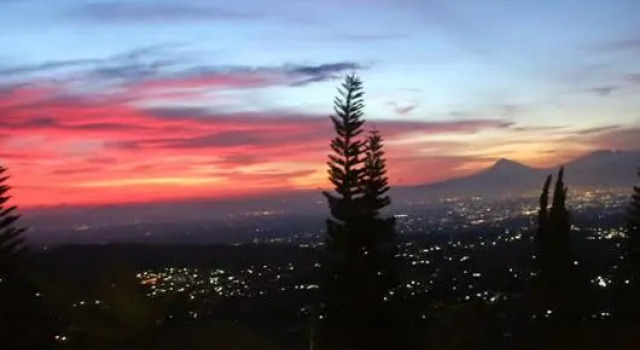
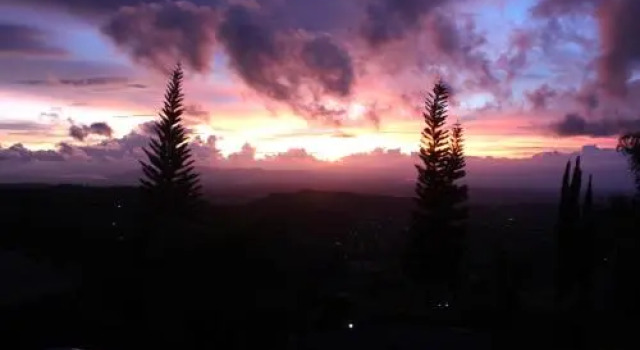
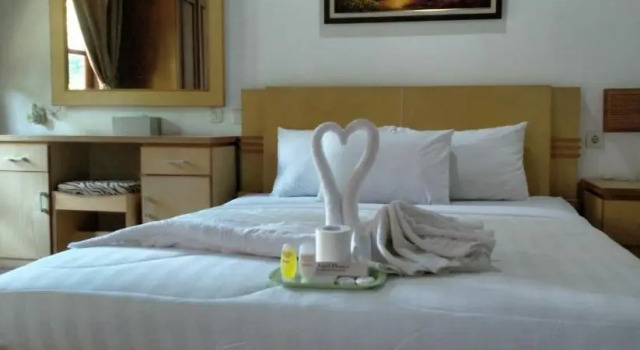
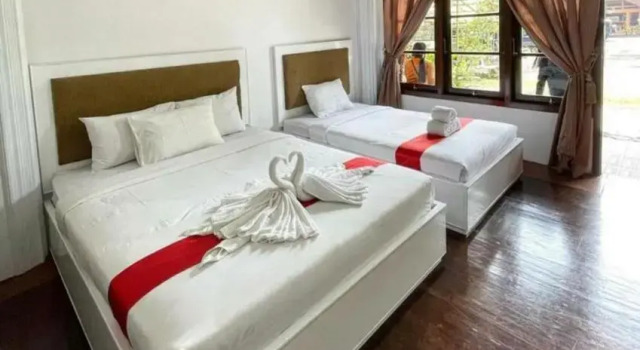
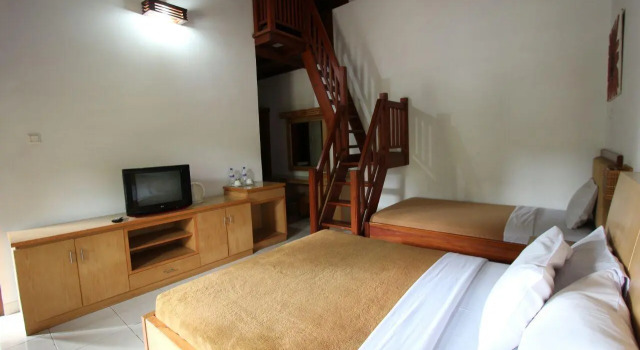
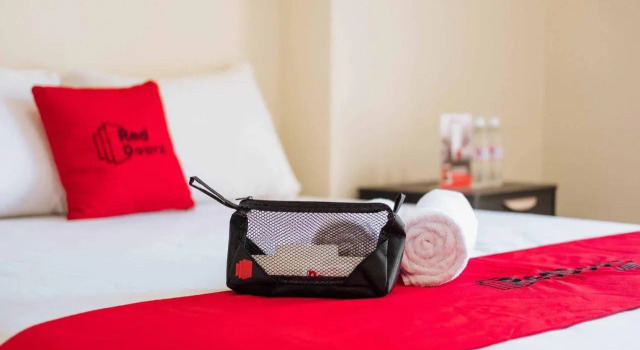
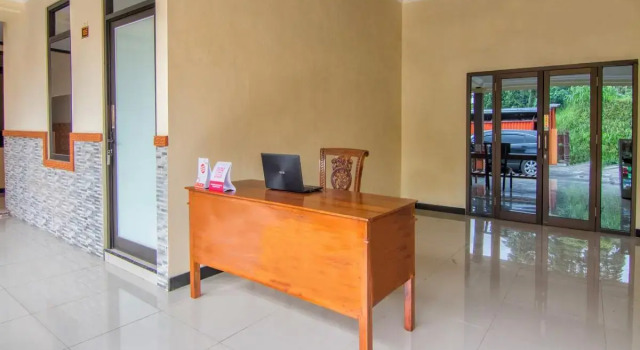
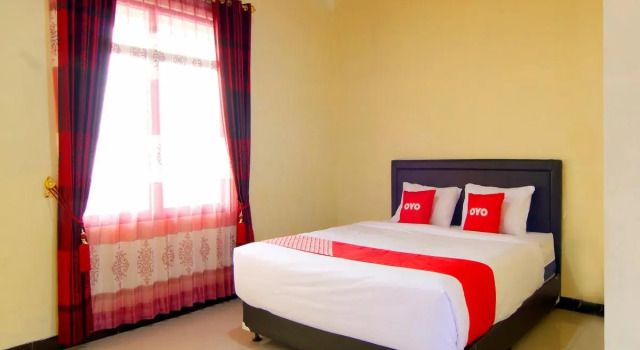
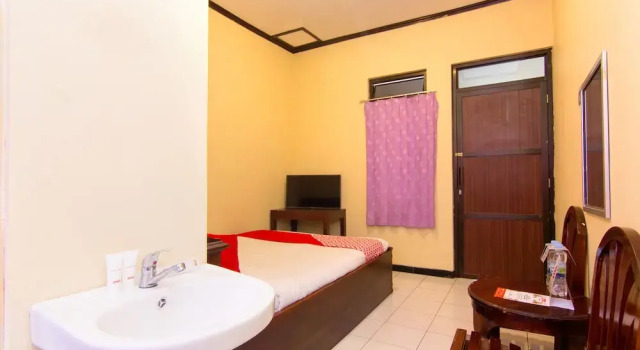
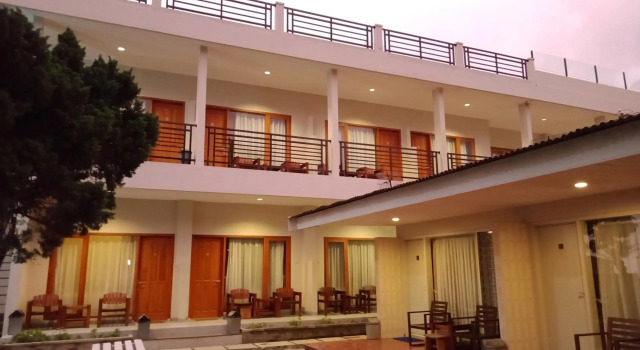
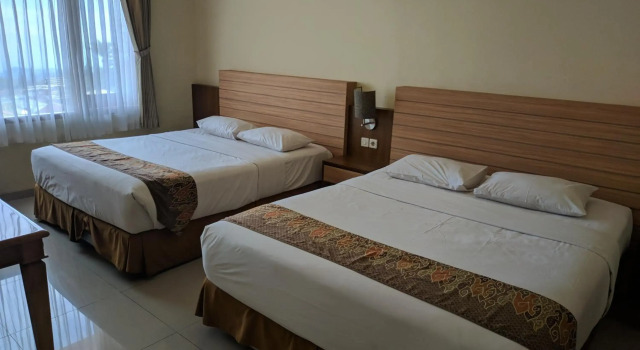
Accommodation options near Sukuh Temple cater to a variety of traveler preferences. For those valuing proximity and immersion in nature, small inns and guesthouses in Tawangmangu village offer cozy stays with breathtaking mountain views and convenient access to the temple and nearby waterfalls. Travelers planning a leisurely cultural or spiritual retreat might choose boutique hotels or homestays that emphasize traditional Javanese hospitality and often provide guided tours or cultural activities. On the other hand, adventure seekers intending to combine temple visits with hiking or exploring Mount Lawu’s natural trails may prefer modest lodgings optimized for functionality, close to trailheads and local markets. When booking, consider your priorities: quiet and scenic tranquility versus ease of transport and local amenities, as both are readily available within a short distance of the temple.