Nestled in the serene town of Shime, Senjuin Temple stands as a tranquil oasis blending centuries of history with spiritual calm. Established during the Edo period, this venerable temple has long served as a place of meditation and worship, renowned for its exquisitely maintained gardens and traditional wooden architecture. Visitors are drawn not only to the temple’s imposing gate and intricately carved statues but also to its peaceful atmosphere, which offers a welcome respite from the bustle of nearby urban areas.
The temple’s name, “Senjuin,” translates roughly to “Hall of a Thousand Hands,” referring to the thousand-armed Kannon Bodhisattva to which the temple is dedicated. This symbolic figure represents compassion and protection, and the temple’s numerous art pieces and altars reflect this theme with delicate craftsmanship. History enthusiasts will appreciate the onsite small museum that showcases religious artifacts, ancient calligraphy, and detailed records of the temple’s lineage.
Timing a visit to Senjuin Temple can enhance the experience considerably. In spring, the temple grounds burst into a vibrant palette of cherry blossoms, making it an ideal spot for hanami (flower viewing). Autumn, meanwhile, cloaks the temple in fiery red and gold maple leaves, providing a stunning seasonal backdrop. Weekdays often see fewer tourists, allowing for a more contemplative visit, and early mornings invite the chance to hear temple bells echoing softly across the landscape.
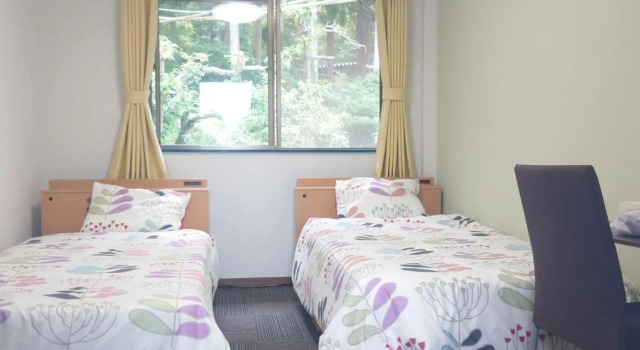
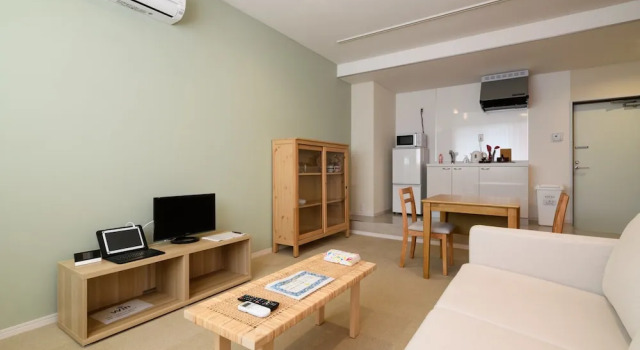
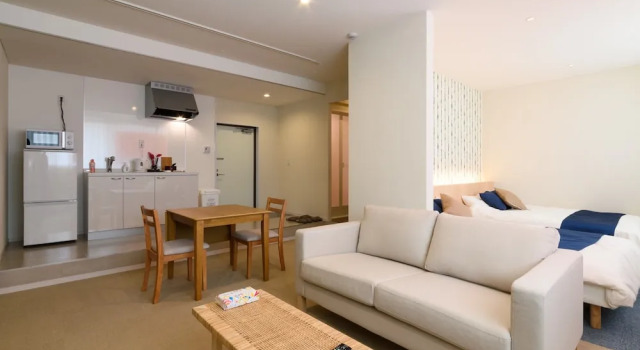
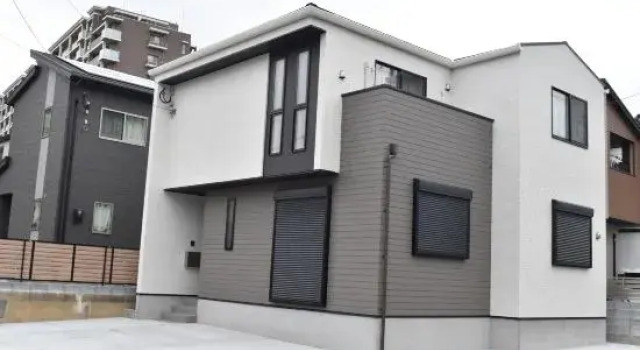
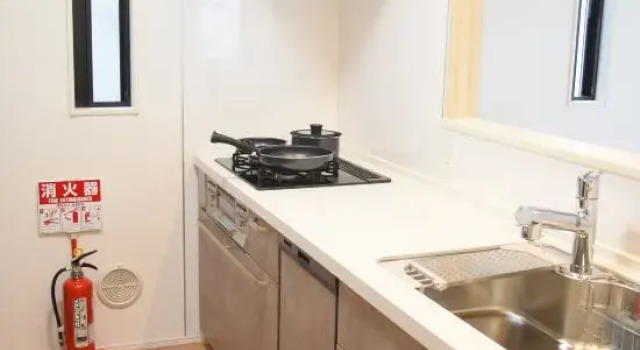
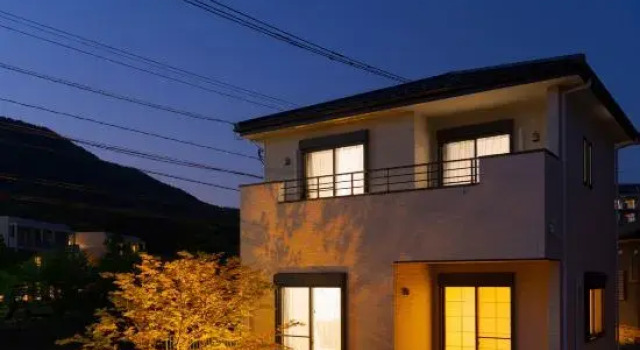
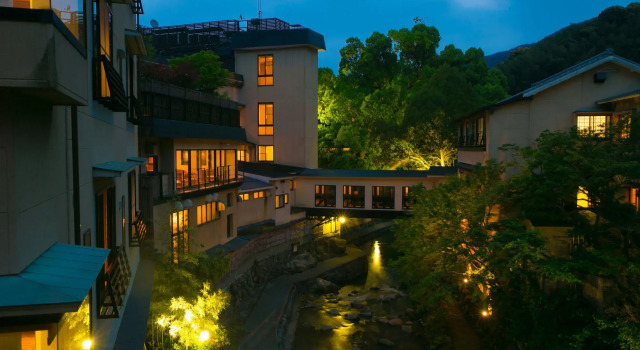
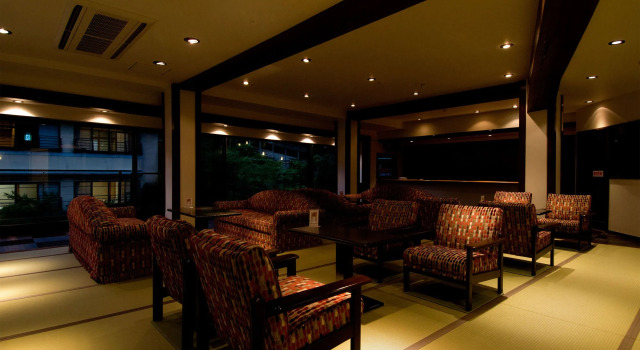
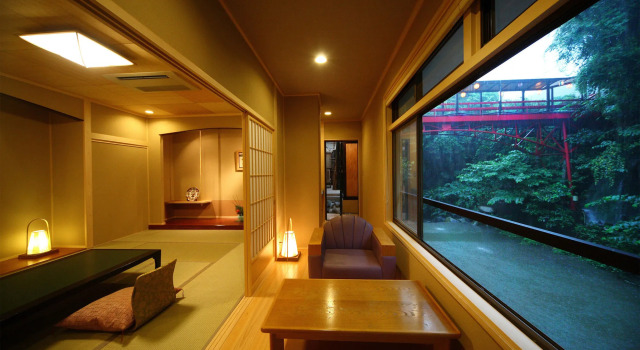
When planning accommodations near Senjuin Temple, your choice should reflect the tone of your trip. For those seeking comfort after days of cultural exploration, boutique hotels in nearby urban centers offer modern amenities and convenient transit options. Travelers wishing to immerse themselves in traditional Japanese culture might find local ryokan or minshuku (family-run inns) ideal, as these often feature tatami-matted rooms and onsen baths. For visitors with flexible itineraries or longer stays, renting an apartment or guesthouse in Shime facilitates a more home-like experience, with easy access to local markets, eateries, and the temple itself.