Nestled in the heart of Roma, the Morija Museum stands as a beacon of cultural heritage and historical insight, offering travelers a vivid journey into Lesotho’s rich past. Originally established in the late 19th century by Christian missionaries, the museum has evolved from a modest collection into a comprehensive archive, preserving invaluable artifacts, manuscripts, and photographs that chronicle the nation’s journey from its early days through colonial encounters to modern times. The complex itself includes restored traditional Basotho huts and a quaint chapel that once served the community, providing visitors not only with exhibits but also an immersive experience of local architecture and lifestyle.
Exploring the Morija Museum demands a thoughtful approach to timing, as it is most rewarding when paired with the town’s lively cultural calendar. The annual Morija Arts & Cultural Festival, held every October, breathes additional life into the museum with performances, crafts, and storytelling that resonate with the region’s spirit. For those visiting outside festival season, the museum remains a quiet retreat where guided tours reveal layers of storytelling behind each artifact, making it an enriching experience irrespective of when you visit. The site is generally open during standard daytime hours, and it’s advisable to check ahead for any special events or temporary closures, especially during national holidays.
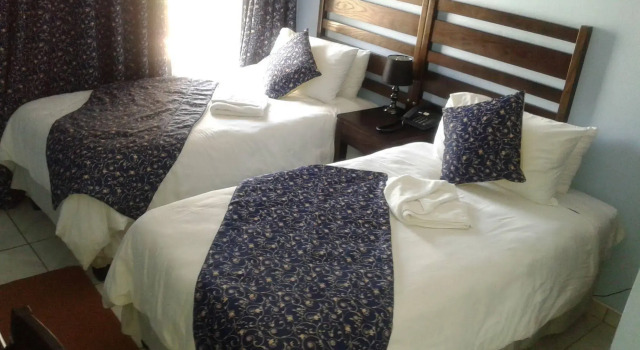
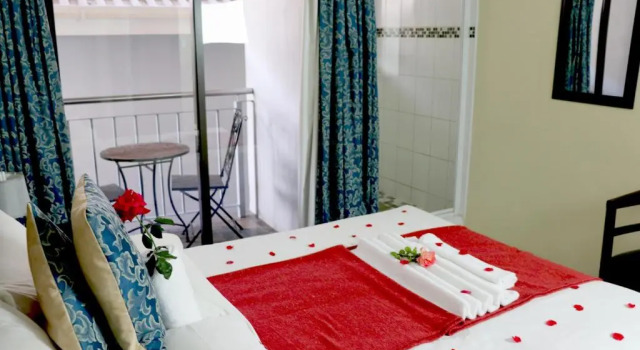
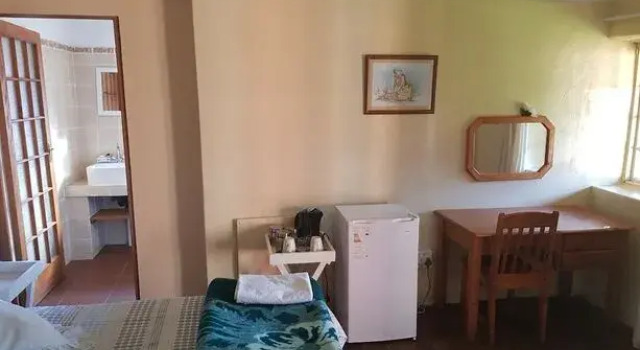
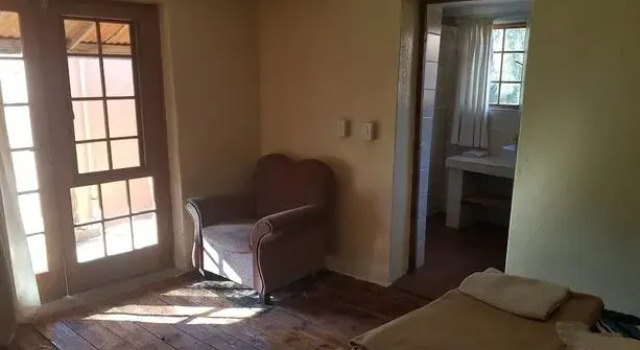
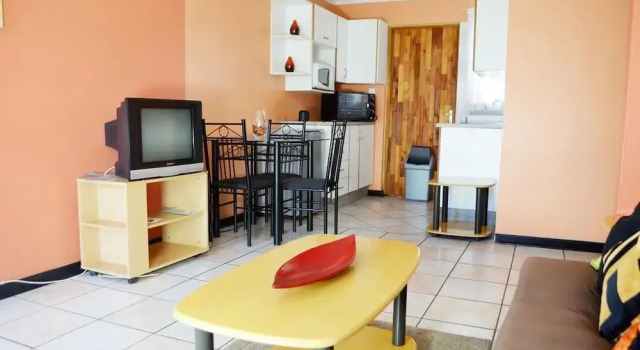
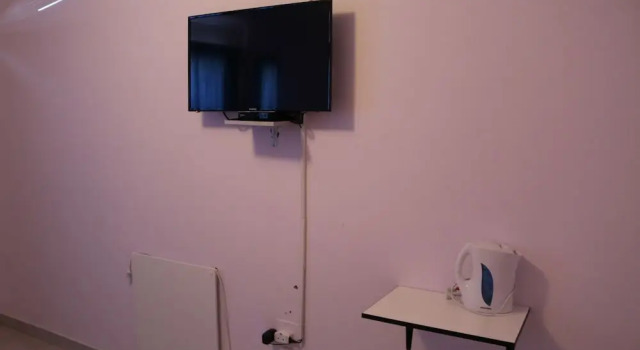
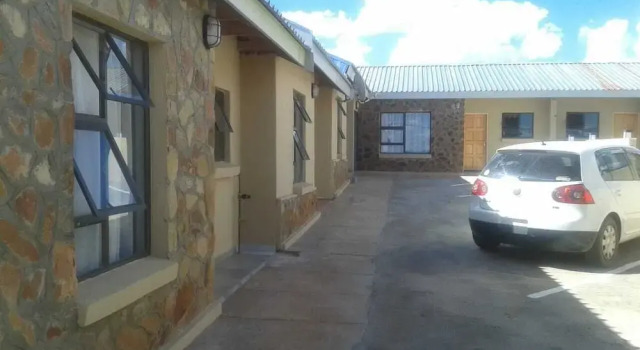
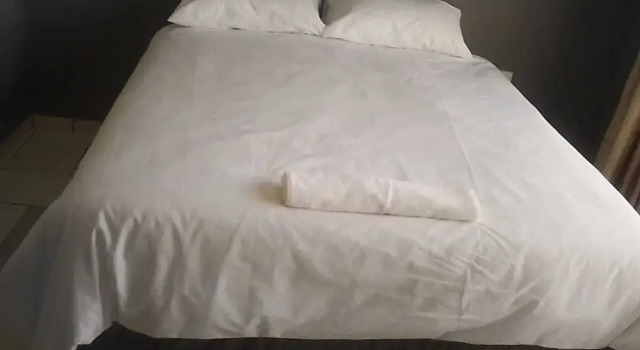
Accommodation near the Morija Museum caters to a spectrum of preferences, from cozy guesthouses to boutique inns that emphasize a blend of comfort and local charm. For travelers prioritizing cultural immersion, lodgings within walking distance of the museum are ideal, offering easy access to explore on foot and absorb the town’s tranquil ambiance. Families or groups might prefer self-catering apartments that provide more space and flexibility, especially useful after a day spent delving into history. Business travelers or those seeking convenience may find well-equipped hotels closer to Roma’s commercial center a practical choice, balancing proximity to the museum with access to broader urban amenities.
When booking your stay, consider the primary purpose of your trip. If the goal is deep cultural exploration and attending festival activities, selecting accommodation near Morija or within Roma’s quieter districts will enhance your experience. However, for visitors combining leisure with business or longer stays, choosing a hotel closer to Roma’s central hub offers a strategic base from which to explore the broader region. Regardless of where you settle, your visit to the Morija Museum promises a meaningful glimpse into Lesotho’s heritage, making your journey through Roma not just a stopover but a memorable cultural encounter.