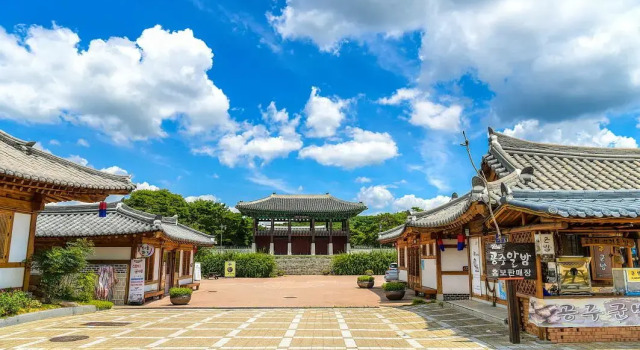
Nestled amid the serene landscapes of Gongju, Magoksa Temple offers travelers a profound glimpse into Korea’s rich Buddhist heritage and natural beauty. Founded in 640 during the Baekje Kingdom, this temple is revered not only for its spiritual significance but also for its stunning setting along the western slopes of the Sobaek Mountains. Visitors will be captivated by the temple’s timeless architecture, which has withstood centuries of history, and its tranquil surroundings—flowing streams, ancient pines, and rolling hills that frame the peaceful sanctuary.
Magoksa Temple boasts an array of cultural treasures, including exquisitely painted wooden buildings and several stone pagodas registered as national treasures. Each structure and artifact reveals the mastery of artisans from Korea’s Buddhist past. The temple’s main hall, Daeungjeon, invites quiet contemplation beneath ornately painted beams, while the nearby Hermit’s Rock offers a scenic vantage point to view the temple complex enveloped by nature’s embrace.
Planning a visit to Magoksa Temple is an opportunity to reconnect with nature and history all year round, yet the experience varies distinctly with the seasons. Spring sweeps the grounds with blooming azaleas and fresh greenery, making it ideal for capturing vibrant photos and joining seasonal temple stay programs that allow visitors to partake in Buddhist practices. Summer transforms the nearby streams into soothing retreats from the heat, while autumn cloaks the area with fiery foliage, perfect for contemplative walks along forest trails. Winter’s quiet snowfall softens the landscape, providing a uniquely serene atmosphere for meditation or simply absorbing the stillness.
Visitors should consider arriving early to avoid the midday crowds, especially during weekends and national holidays. Modest attire and respectful behavior are appreciated, as the temple remains an active place of worship. Photography is generally allowed outdoors but may be restricted inside certain halls, so checking specific guidelines upon arrival ensures a smooth visit.
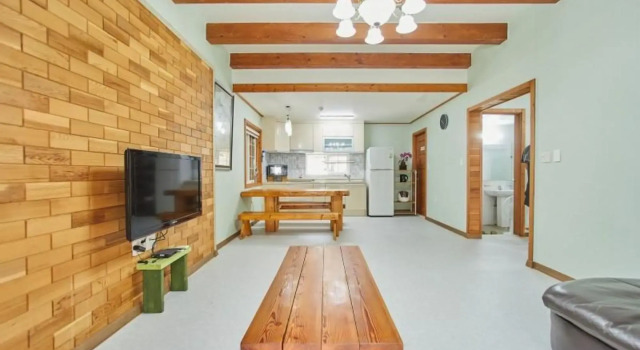
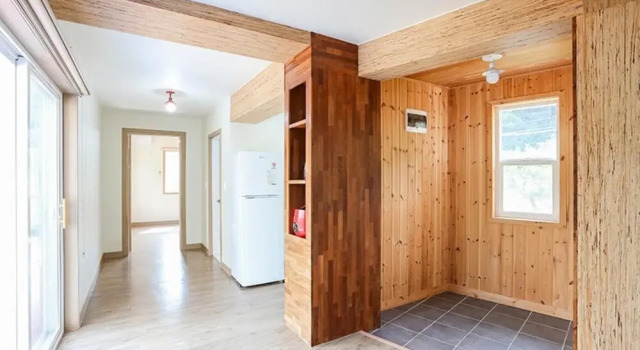
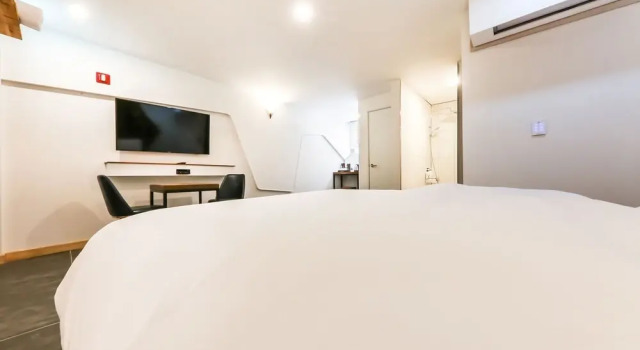
Choosing accommodation near Magoksa Temple depends largely on the nature of your trip. For travelers seeking a contemplative escape or cultural immersion, staying at a local temple guesthouse or a traditional hanok stay offers an authentic experience surrounded by silence and spirituality. These options often include meals inspired by Buddhist temple cuisine, emphasizing seasonal, vegetarian ingredients. On the other hand, those looking for convenience and modern amenities might prefer nearby hotels or serviced apartments in Gongju city center, which provide easy access to restaurants, shops, and transportation links. This choice suits visitors who want to combine their temple visit with exploring Gongju’s other historical sites or regional attractions.
Wherever you choose to stay, consider your priorities—whether tranquility and cultural depth or accessibility and comfort—as both options enable a meaningful connection to Magoksa Temple’s enchanting beauty and heritage. This balance makes visiting the temple and its surroundings a rich, rewarding journey for all types of travelers.