Kenyir Lake, nestled in the lush interior of Terengganu, Malaysia, stands as Southeast Asia’s largest man-made lake, sprawling over an astounding 260,000 hectares. Created in 1985 following the damming of the Kenyir River for hydroelectric power, this vast body of water transformed the once dense tropical forest landscape into an emerald expanse dotted with islands, rich biodiversity, and shimmering waters. The lake’s creation ushered in a new era; beyond energy generation, it became a sanctuary for wildlife and a magnet for ecotourists and adventurers seeking serenity, nature, and adventure.
Exploring Kenyir Lake is an immersive experience in tranquility and biodiversity. Visitors can embark on guided boat tours to discover more than 340 islands, each carrying its own charm, from serene picnic spots to waterfalls and jungle trekking trails. Angling enthusiasts find the lake a paradise with an abundance of freshwater fish species, while bird watchers are rewarded with glimpses of hornbills, kingfishers, and eagles. For nature lovers, the lake’s surrounding rainforest is home to exotic wildlife including orangutans and elephants, occasionally spotted in the adjoining Kenyir Rainforest Park.
When planning a visit, consider timing your trip during the dry season, typically from March to September, to avoid the heavy monsoon rains that can limit outdoor activities and boat excursions. The lake’s climate is tropical, warm year-round, but humidity tends to peak in the wet months between October and February. Early morning or late afternoon visits are ideal for enjoying cooler temperatures and catching stunning sunrise or sunset views across the glistening water.
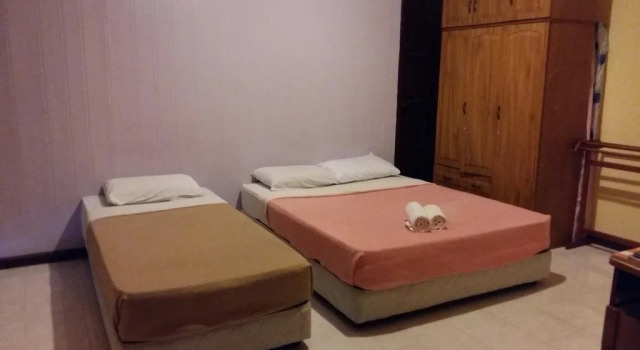
Accommodation options near Kenyir Lake cater to a broad range of travel styles, from nature lodges nestled in the rainforest offering eco-friendly stays, to comfortable resorts along the lakeshore with convenient access to boating and fishing activities. For those seeking tranquility and immersion in nature, boutique resorts or chalets tucked away amidst the greenery provide an ideal base for hiking, jungle trekking, and wildlife watching. Meanwhile, families or groups may prefer larger resorts with on-site amenities and activity centers. Budget travelers can find homestays and guesthouses in nearby villages, offering authentic local hospitality and easy access to cultural sites.
Deciding where to stay largely depends on the focus of your trip. Adventurers looking to capitalize on water sports and fishing should prioritize lakeside accommodations with boat rentals nearby. Meanwhile, wildlife enthusiasts and eco-tourists may opt for lodges positioned closer to conservation areas or rainforest parks. Whatever your choice, booking accommodations well in advance is advisable particularly in peak season, to ensure proximity to the lake’s highlights and ease of access to tours and excursions.