Nestled in the Talamanca Mountain Range, Cerro de la Muerte stands as one of Costa Rica’s most iconic and formidable peaks, reaching an elevation of nearly 3,500 meters (11,500 feet). Its name, “Mountain of Death,” harkens back to the perilous journeys undertaken by early travelers crossing the rugged terrain, where extreme weather and difficult roads once made passage deadly. Today, it remains a destination rich with history and natural splendor, drawing adventurers, birdwatchers, and nature lovers alike.
Cerro de la Muerte forms part of the Los Quetzales National Park, known for its cloud forests teeming with biodiversity. The area is a sanctuary for the elusive Resplendent Quetzal, a bird revered in Central American culture and a highlight for visitors armed with binoculars and cameras. The mountain’s challenging trails range from moderate hikes to more strenuous ascents, offering panoramic views over valleys shrouded in mist and vibrant wildflower meadows that bloom especially during the wet season from May to November. This period, while wetter, brings lush landscapes and abundant bird activity, ideal for ecotourism, though travelers should come prepared with waterproof gear and flexible plans.
Planning a visit to Cerro de la Muerte often involves timing and acclimatizing. The cool, high-altitude climate demands warm clothing even in summer months, and mornings can be misty and chillier. Roads leading to the mountain have improved significantly but may still be winding and narrow, making early departures from nearby towns advisable to maximize daylight for hiking.
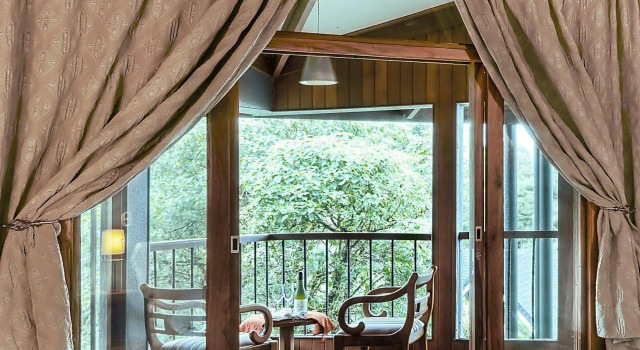
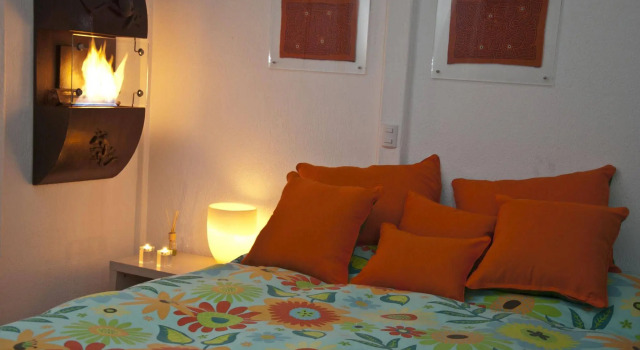
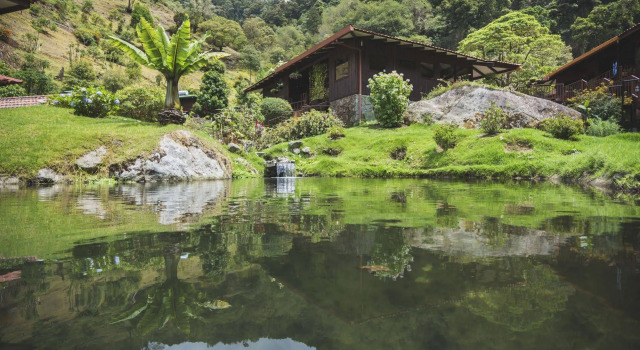
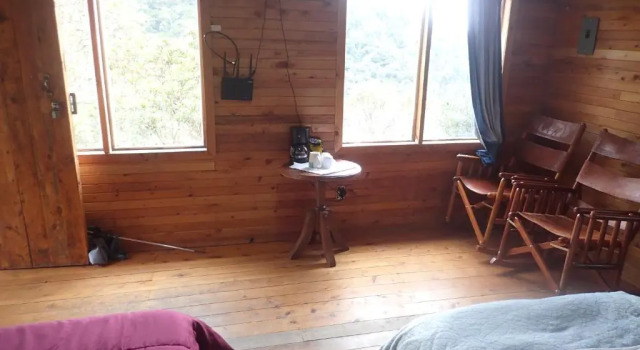
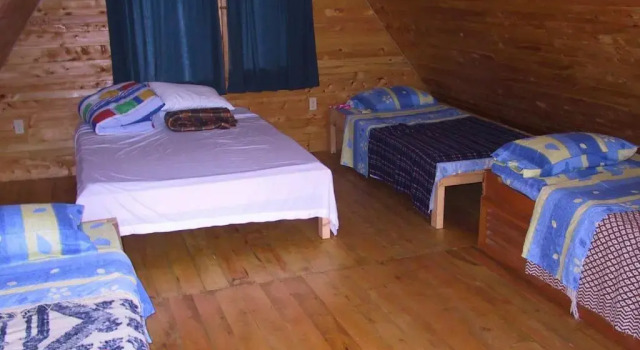
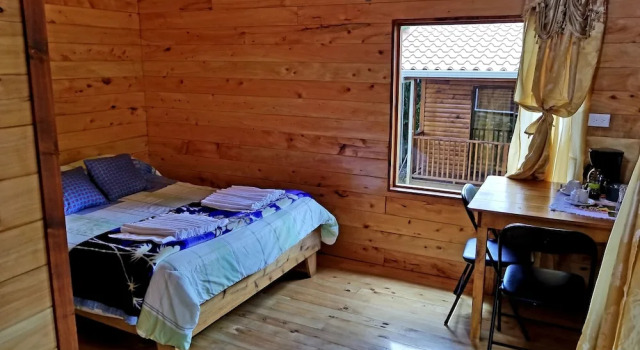
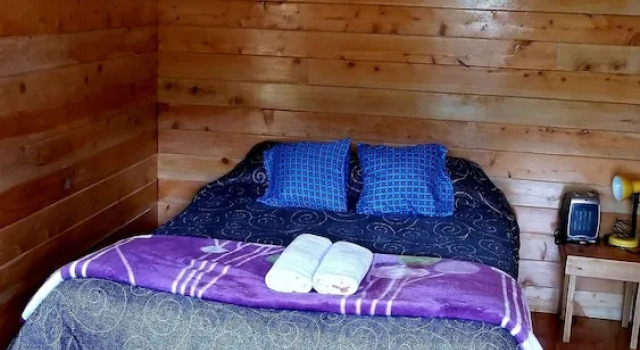
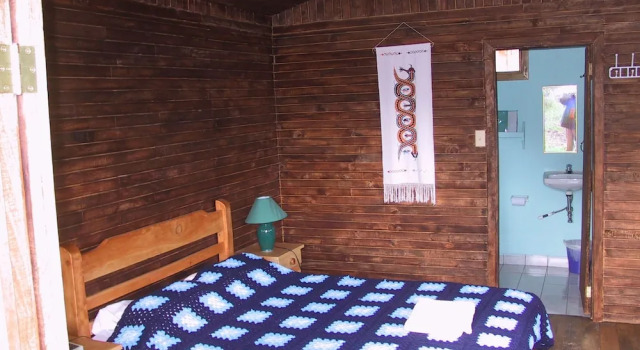
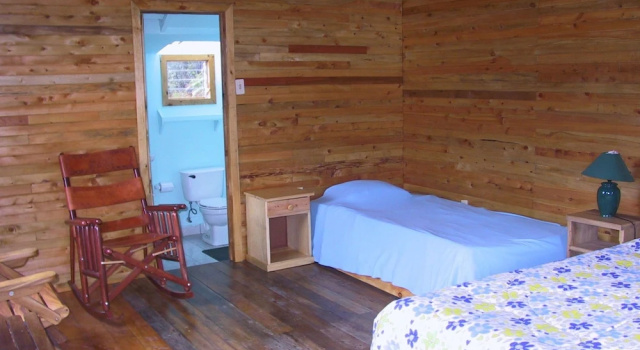
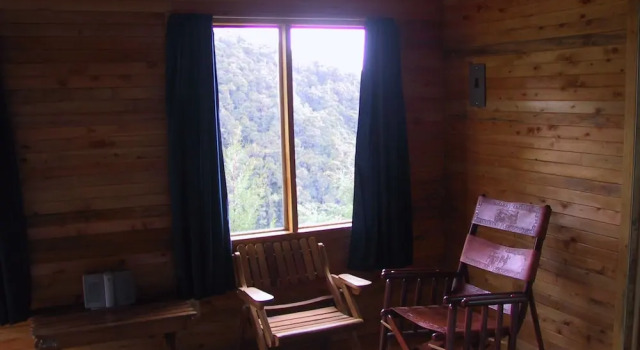
San Gerardo de Dota, a tranquil village nestled at the foothills of Cerro de la Muerte, offers an inviting base for visitors keen to explore the mountain. Accommodation choices here reflect the area's serene ambiance and are tailored to varied traveler needs. For bird enthusiasts and peaceful retreat seekers, boutique inns and eco-lodges set amid forested surroundings provide quiet comfort and easy access to nature trails. These often include knowledgeable guides and amenities such as birdwatching decks. Families or groups may prefer rental cabins or apartments with kitchen facilities, which offer a home-away-from-home experience for extended stays or a more self-sufficient visit.
When selecting lodging, consider your primary activities: if you’re focused on hiking and wildlife viewing, choosing a hotel slightly closer to trailheads can save valuable time. Conversely, those seeking relaxation and immersion in local culture might opt for accommodations within San Gerardo de Dota’s village center, where artisan shops and local eateries enliven the experience. Whichever option you choose, early booking during peak visitation months—December to April, the drier season—is recommended, as the area’s popularity continues to grow.