Nestled amid the lush, undulating hills of Central Java, Candi Gedong Songo stands as a remarkable testament to Indonesia’s rich Hindu-Buddhist heritage. This archaeological complex, dating back to the 8th and 9th centuries during the early Mataram Kingdom, comprises a series of nine small temples perched across a volcanic slope, offering panoramic views of the verdant landscape and Mount Ungaran in the distance. Constructed from volcanic stone, each temple features detailed carvings that reflect the syncretism and artistic refinement of ancient Javanese civilization, making Candi Gedong Songo a fascinating destination for history enthusiasts and cultural explorers.
Planning a visit to Candi Gedong Songo requires some consideration to make the most of the experience. The temples are scattered over a hilly terrain, reachable via walking trails that pass through picturesque pineapple plantations and cool pine forests. Due to the altitude (approximately 1,200 meters above sea level), the weather can be pleasantly cool, especially in the early mornings. The dry season, which spans from May to September, is generally the best time to visit, providing clear skies and comfortable hiking conditions. Visitors should wear sturdy footwear and bring water, as the trek between temples involves moderate uphill walking. Guided tours are available and highly recommended for a richer appreciation of the site’s historical context and architectural nuances.
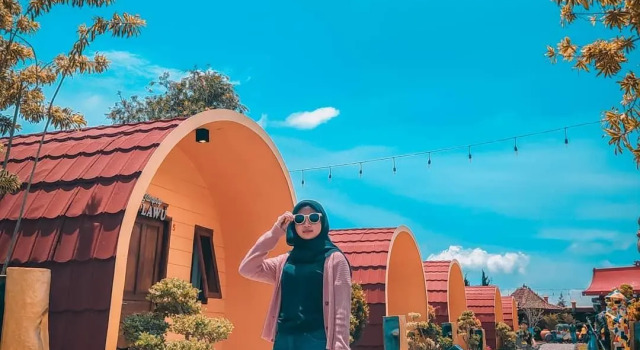
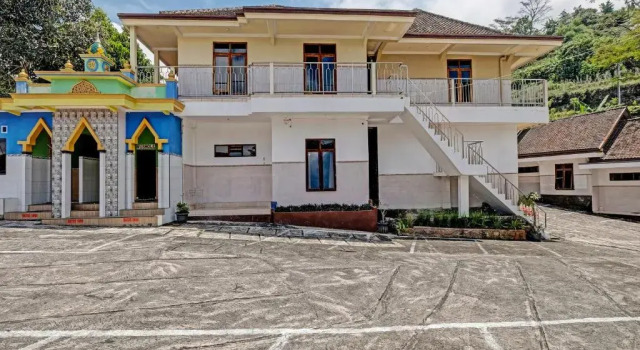
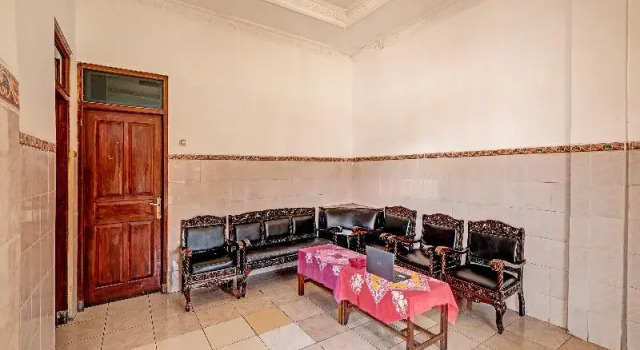
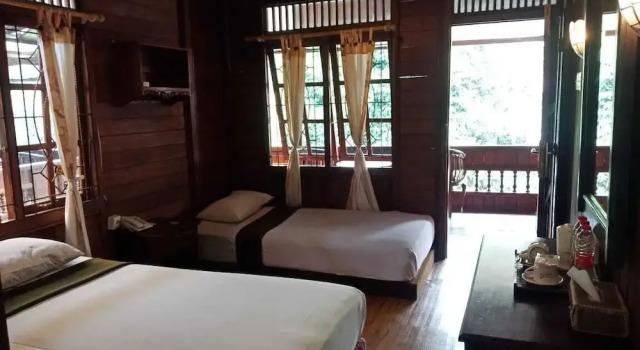
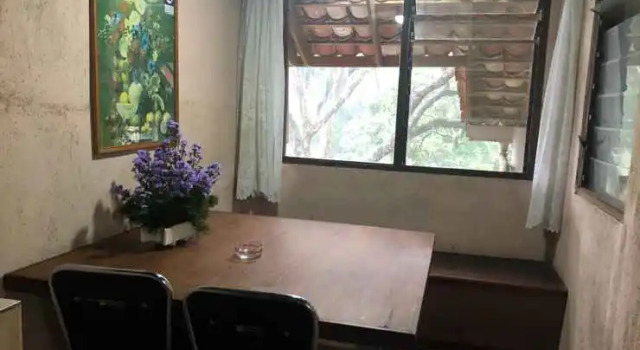
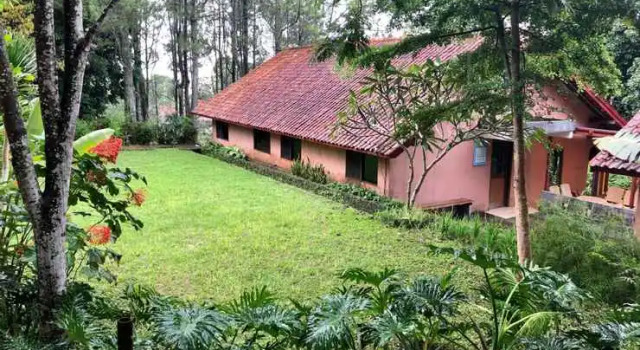
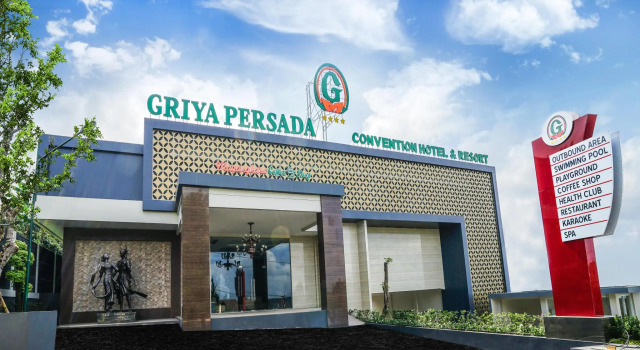
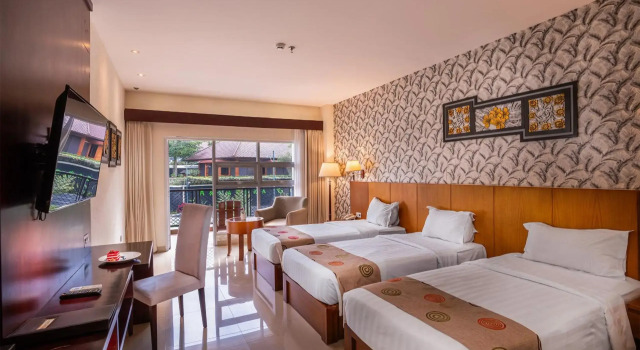
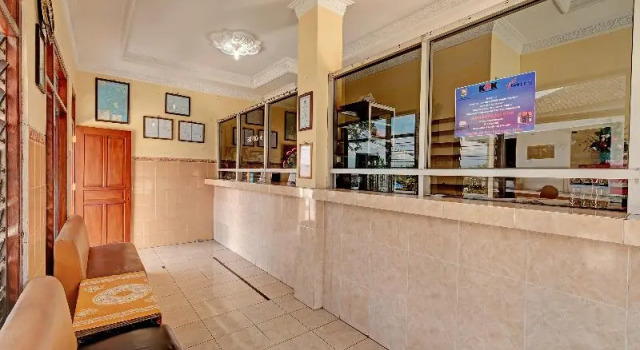
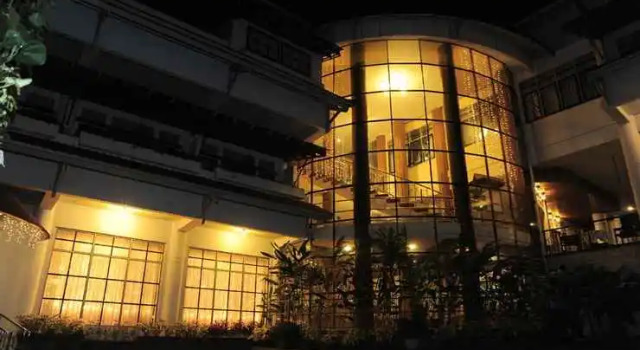
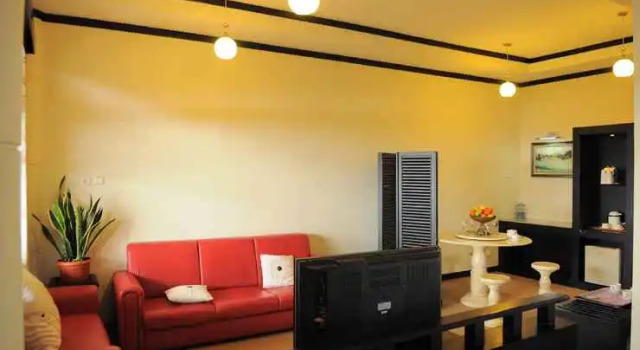
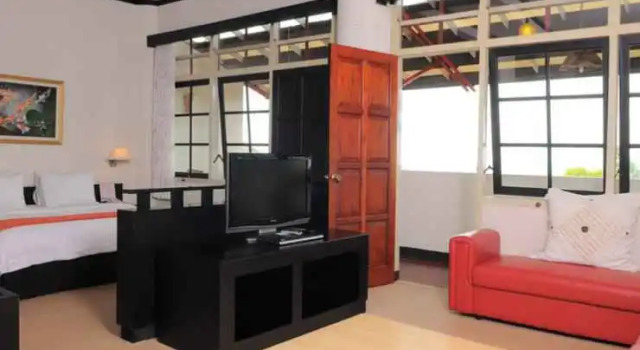
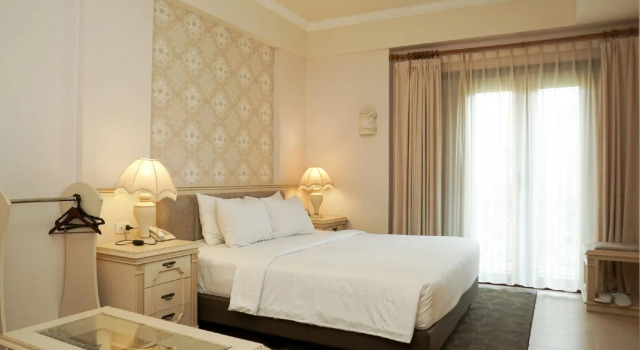
Accommodation options around Bandungan cater to a diverse range of travelers, from budget backpackers to families seeking tranquil retreats. The nearby town offers a variety of hotels, guesthouses, and boutique inns, most of which emphasize local charm and convenience. For travelers whose primary interest lies in exploring Candi Gedong Songo’s cultural and natural beauty, choosing lodging within Bandungan or the surrounding highland villages is advisable. This location provides easy access to the temples in the morning and an escape to peaceful countryside in the evenings. Some resorts even offer wellness amenities like hot springs and traditional Javanese spa treatments, ideal for relaxation after a day of trekking and sightseeing.
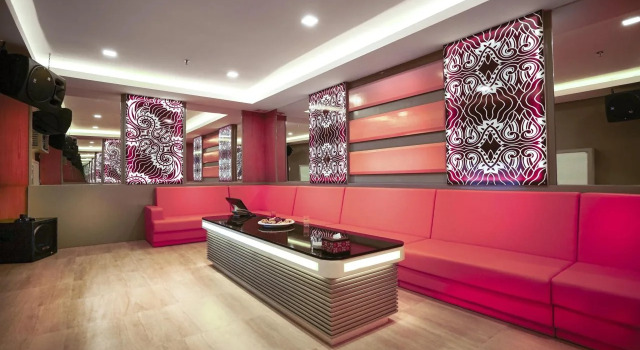
On the other hand, if your trip balances cultural exploration with leisure and dining experiences, staying closer to the larger city of Semarang may be preferable. Although Semarang is about 30 kilometers away, it offers a wider array of upscale hotels, restaurants, and transportation options. From there, day trips to Candi Gedong Songo can be arranged, often combined with visits to nearby attractions such as Lake Rawa Pening or Ambarawa Railway Museum.
Travelers should also consider the purpose of their visit when selecting accommodations. For those seeking immersion in nature and quietude, eco-lodges and homestays in Bandungan provide intimate access to rural life and the scenic surroundings. Meanwhile, history buffs and photographers may prefer lodgings that offer early or late access to the temple complex, enabling them to capture the mystical morning mist or sunset hues that envelop Candi Gedong Songo. Parking facilities and transport availability may vary, so for greater flexibility, booking accommodations that include shuttle services or partnering with local guides can enhance the visit.
Whether drawn by the intricate stone carvings or the serene mountain views, staying near Candi Gedong Songo offers not only a gateway to Central Java’s ancient past but also an opportunity to savor the refreshing highland climate and local hospitality. Thoughtful planning around the seasonal weather and understanding accommodation options will ensure a memorable visit to this unique cultural and natural landmark.