Asuka-dera Temple, nestled in the heart of the Asuka region, offers travelers a profound glimpse into Japan’s ancient Buddhist heritage. Established in the 6th century, it is considered one of the oldest Buddhist temples in the country, originally commissioned by Soga no Umako, a prominent statesman who helped introduce Buddhism to Japan. Though much of the temple’s original wooden structure no longer stands, the site retains an atmosphere heavy with spiritual history, surrounded by lush greenery that evokes a serene retreat from modernity.
Visitors to Asuka-dera Temple are often drawn to its iconic bronze Buddha statue, a masterpiece of Nara-period artistry that has survived since the temple’s early days. Walking through the temple grounds, you’ll notice carefully maintained pathways dotted with smaller shrines, stone lanterns, and remnants of old pagodas, each corner telling a piece of Japan’s formative religious story. Early mornings are arguably the best time to immerse yourself in this tranquil environment before local crowds arrive, while spring offers a particularly enchanting experience as cherry blossoms bloom profusely, casting delicate pink hues over the temple’s ancient stones.
Planning your visit thoughtfully will enhance your experience. The temple is easily explored within a couple of hours, making it perfect for combining with other nearby historic sites in Asuka, such as the Asuka Historical Museum or the Takamatsuzuka Tomb. Seasonal festivals, especially in autumn, bring vibrant cultural events and offer visitors a chance to witness traditional ceremonies firsthand. To gain a richer understanding, consider hiring a local guide or joining a small group tour, which often includes contextual background on the temple’s role in Japan’s early Buddhism and its architectural evolution.
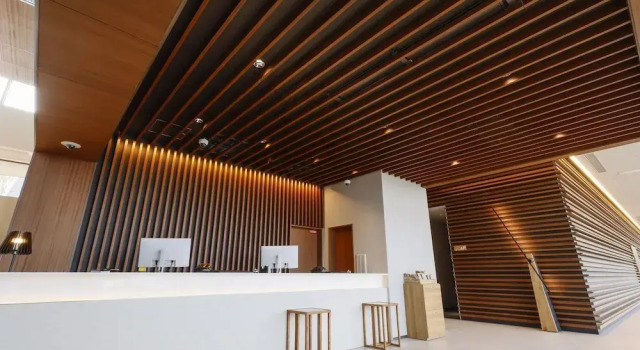
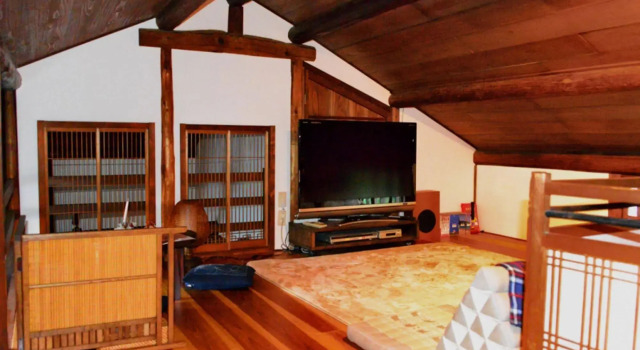
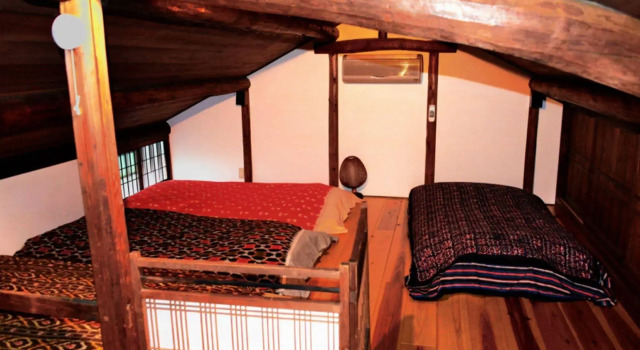
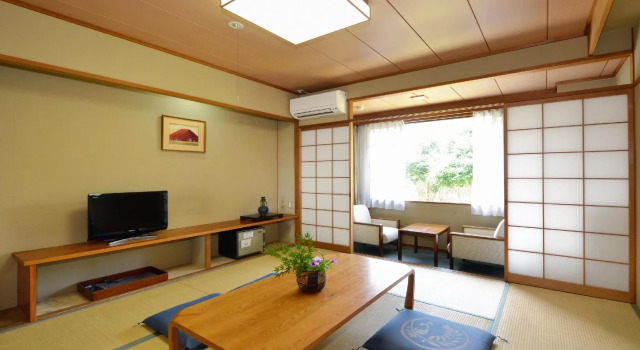
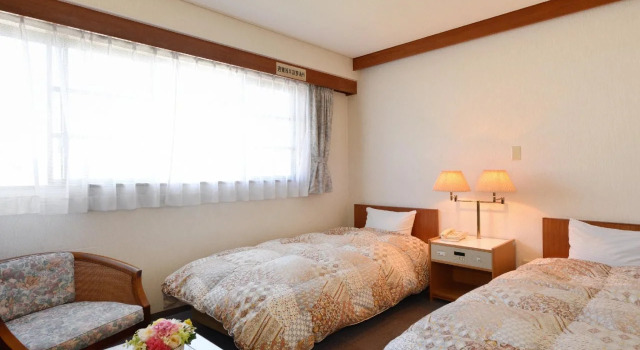
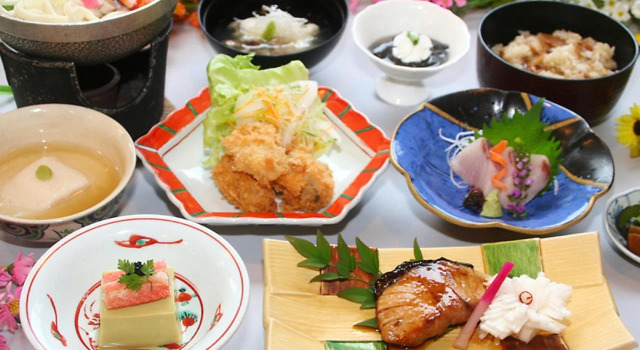
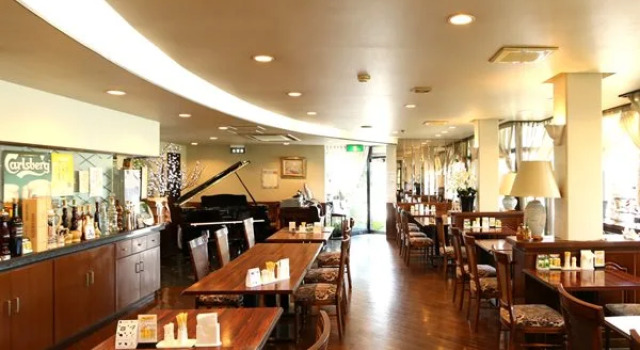
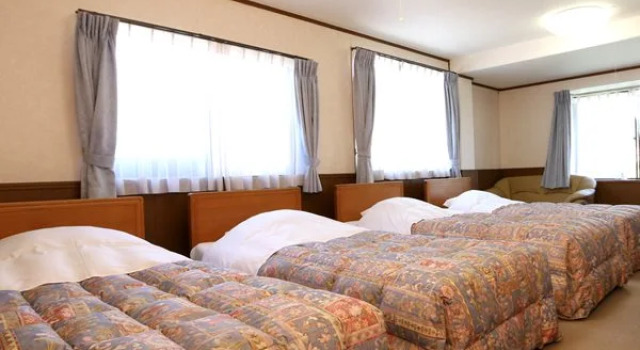
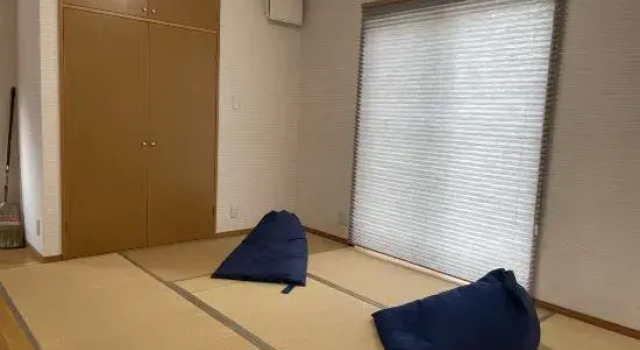
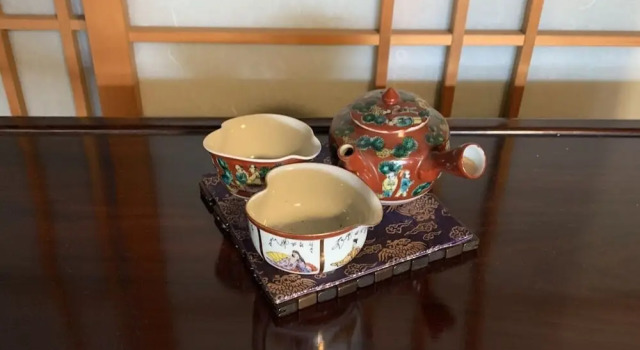
Accommodation options near Asuka cater to a variety of travel styles and trip objectives. For those prioritizing cultural immersion and comfort, traditional ryokan inns provide a unique stay with tatami-matted rooms, kaiseki cuisine, and onsen baths, allowing guests to fully embrace the regional ambiance. If convenience and accessibility to multiple Asuka attractions are paramount, modest hotels and guesthouses near the village center offer modern amenities without losing the town’s quaint charm. Meanwhile, travelers intending to explore more broadly across the Kansai region might opt for serviced apartments or vacation rentals with good transport links, balancing autonomy with proximity to historical sites. Early booking is advisable during peak cherry blossom and autumn foliage seasons, when demand surges in this culturally rich area.