Nestled in the heart of the historic city of Trier, the Trier Roman Amphitheatre stands as a majestic testament to ancient Roman engineering and entertainment culture. Constructed in the 2nd century AD, this grand amphitheatre once hosted gladiatorial combats, animal hunts, and public spectacles, reflecting the social and political life of Roman Trier, or Augusta Treverorum as it was then known. With its elliptical shape spanning about 120 by 145 meters, the amphitheatre could seat up to 20,000 spectators, making it one of the largest structures of its kind north of the Alps. Today, visitors can explore the well-preserved underground tunnels and foundations where gladiators prepared for battle, as well as imagine the roaring crowds that filled the tiers.
When planning a visit to the Trier Roman Amphitheatre, it’s wise to consider both seasonal and daily rhythms. The site is open year-round, but spring and early autumn offer the most comfortable temperatures and fewer crowds, allowing for a more intimate experience of the ruins. Summer can be lively but also quite warm, so early morning visits are recommended, especially for those eager to capture the perfect photographs without intense sunlight or throngs of tourists. Entrance fees are modest, and guided tours are available, offering in-depth historical context that enriches your understanding of the ruins. Occasionally, the amphitheatre hosts open-air concerts or cultural events, so checking the local event calendar before your visit can add a unique dimension to your trip.
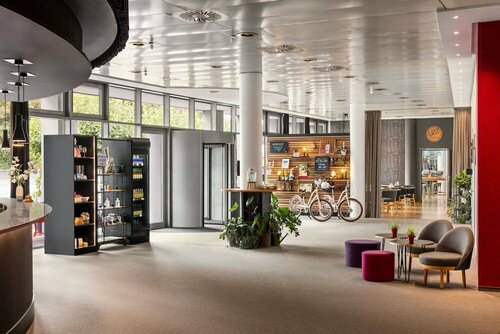
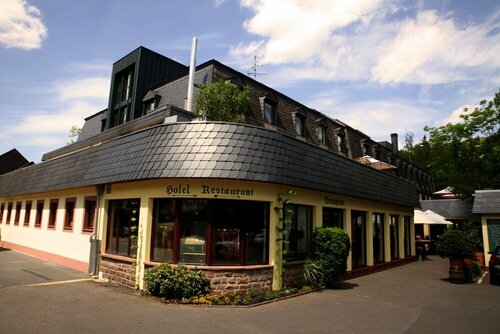
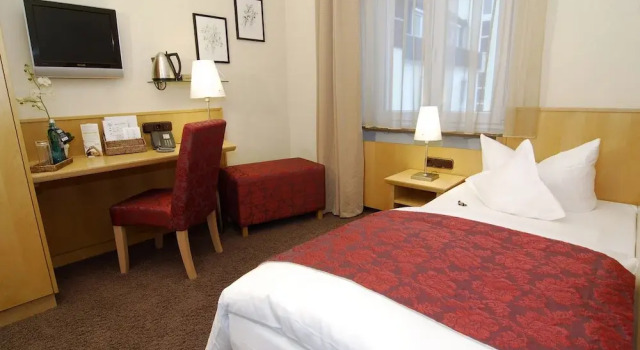
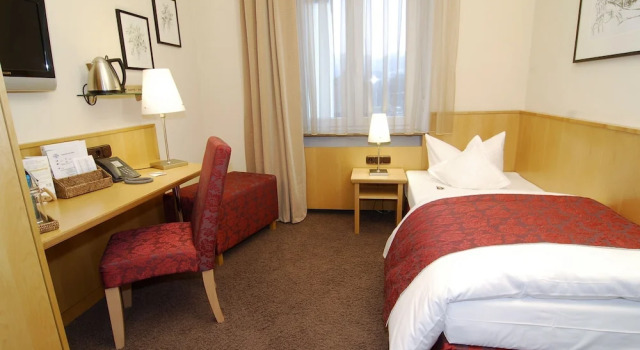
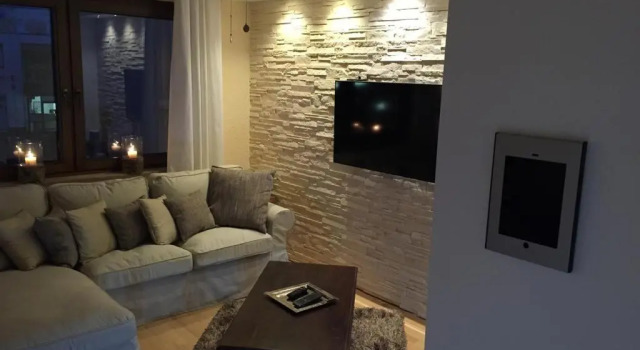
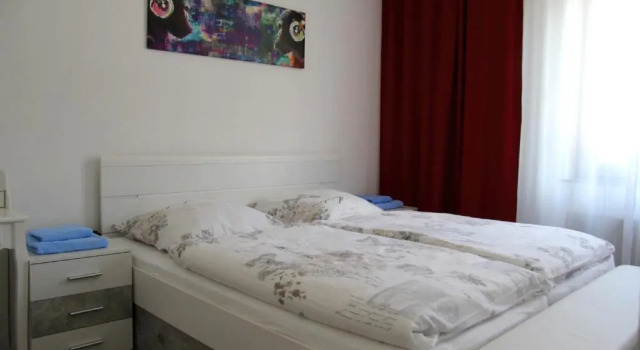
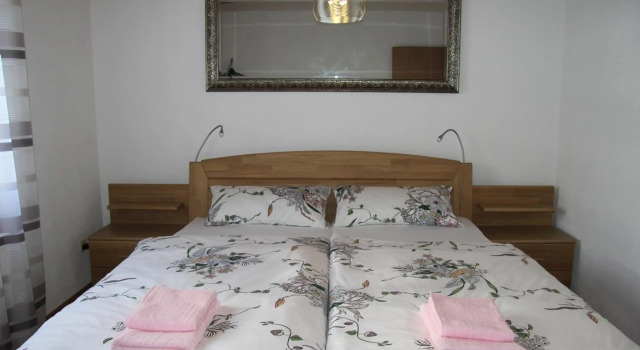
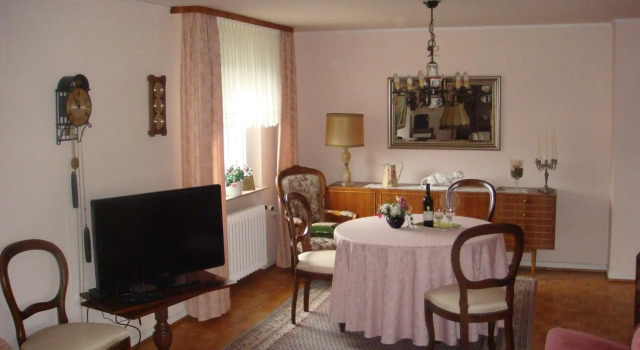
Accommodation near the amphitheatre is abundant, ranging from charming boutique hotels to cozy guesthouses and fully-equipped apartments. For travelers interested in cultural immersion and convenient sightseeing, staying within the city center is ideal since it puts you within walking distance of the amphitheatre as well as other Roman relics such as the Porta Nigra and Imperial Baths. Business travelers or those on a tighter budget may prefer accommodations slightly further from the core, accessible by reliable public transportation, offering quieter nights and often larger living spaces. Families might opt for apartment rentals that provide more comfort and flexibility. Regardless of your choice, aiming for lodging with easy pedestrian access to the amphitheatre ensures you maximize your time exploring Trier’s rich Roman heritage without the hassle of long commutes.
Whether you are a history buff eager to wander one of Germany’s oldest cities or a leisure traveler looking to soak up the atmosphere of ancient ruins, the Trier Roman Amphitheatre offers an unforgettable window into the past, complemented by a city that welcomes every visitor with hospitality and charm.