Hanul Călăreților - Centrul de Echitație Poiana Brașov Hotel
Poiana Brasov lodging, Brasov
Strada Mioritei, Poiana Brasov, 500001
9.1/10
Wonderful
48 reviews
Free Wi-Fi
8 km.
Brasov Railway Station
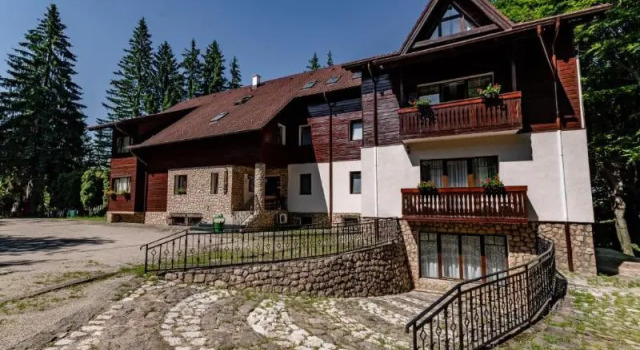
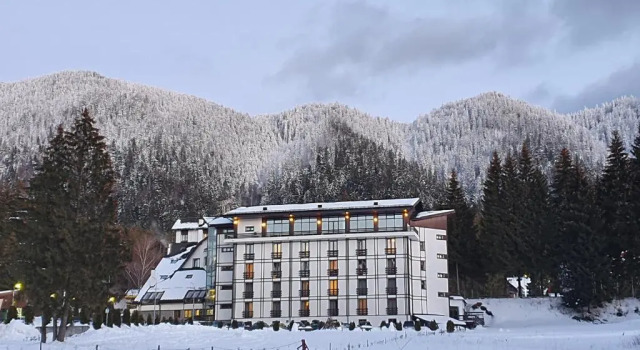
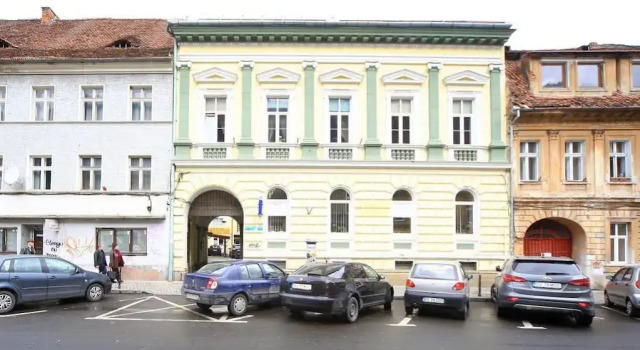
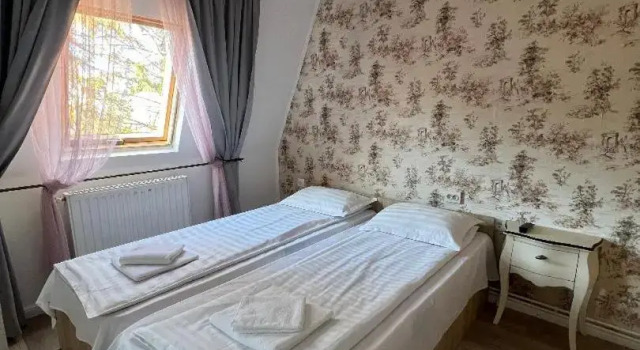
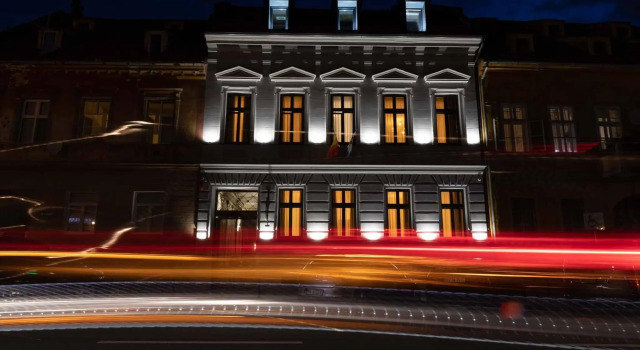
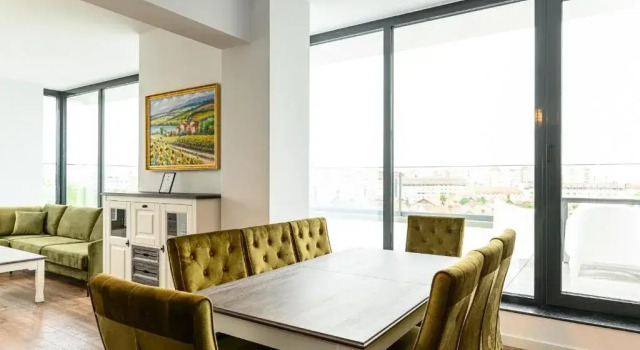
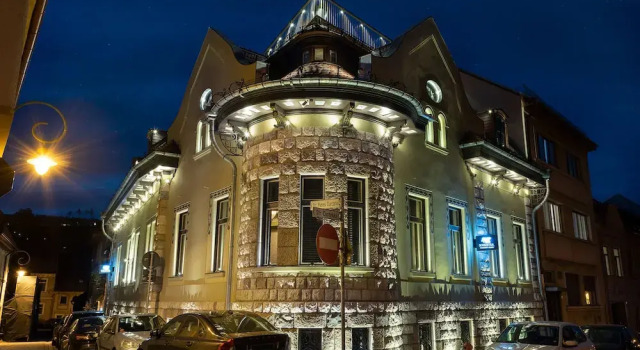
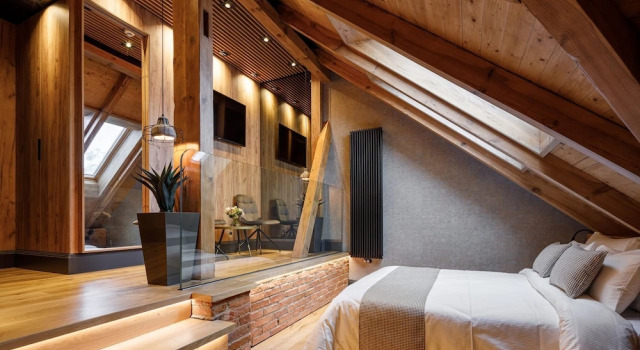
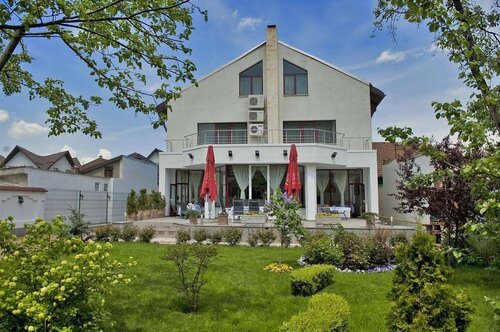
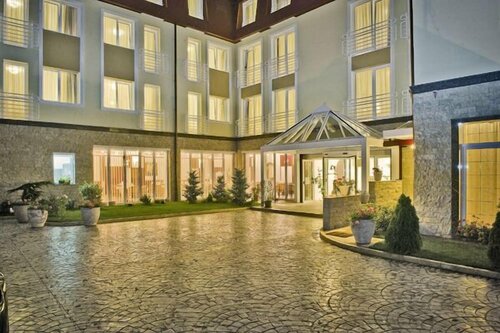
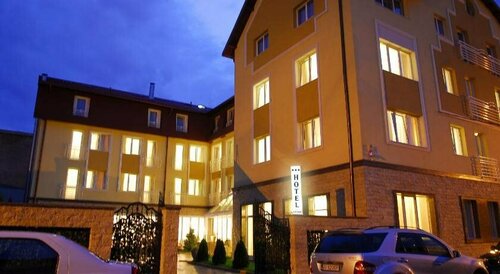
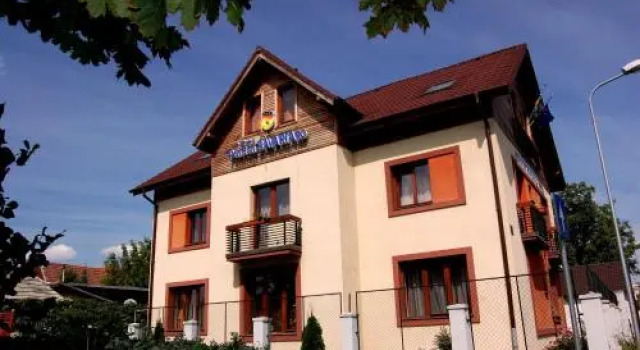
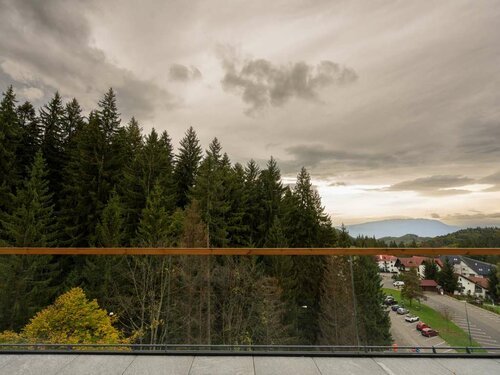
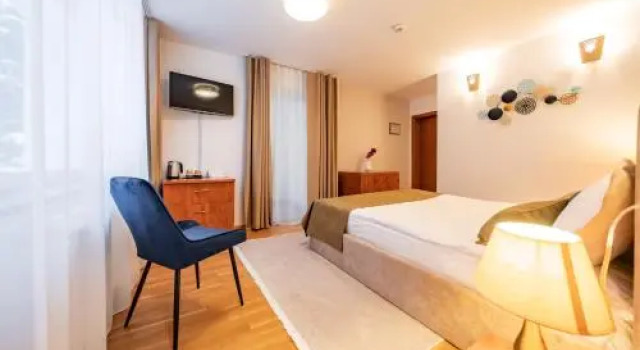
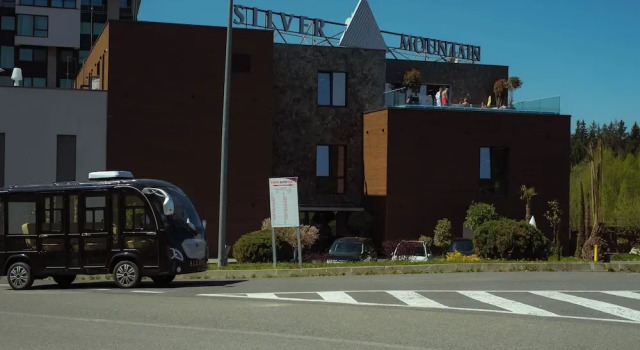
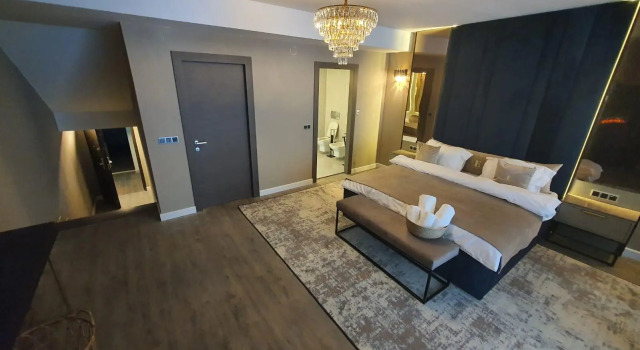
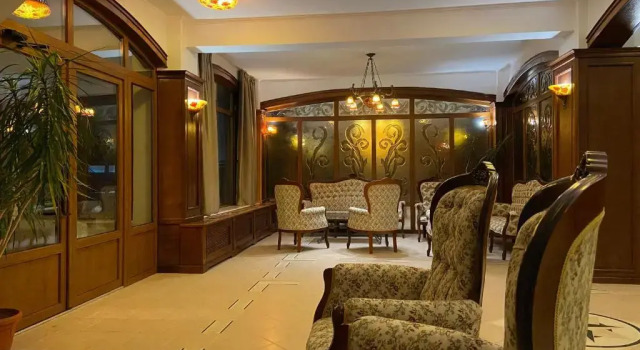
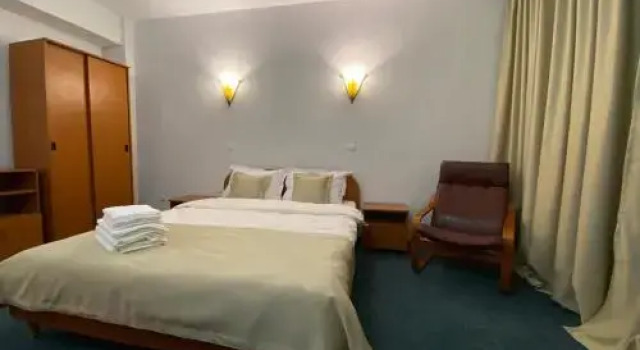
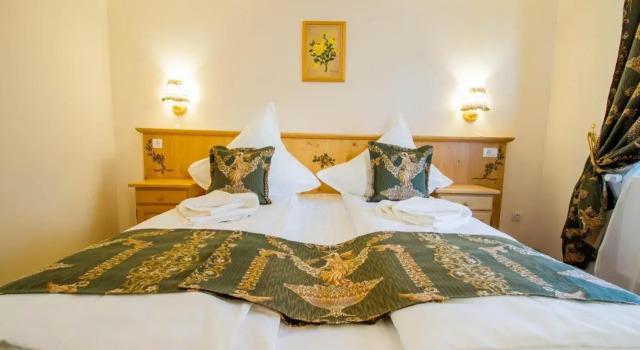
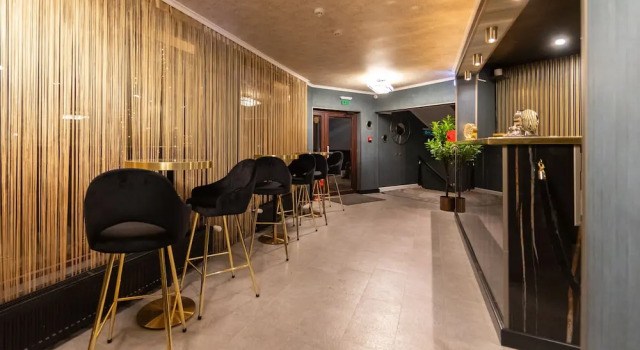
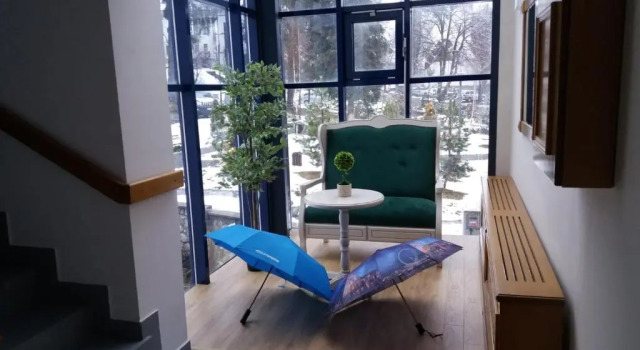
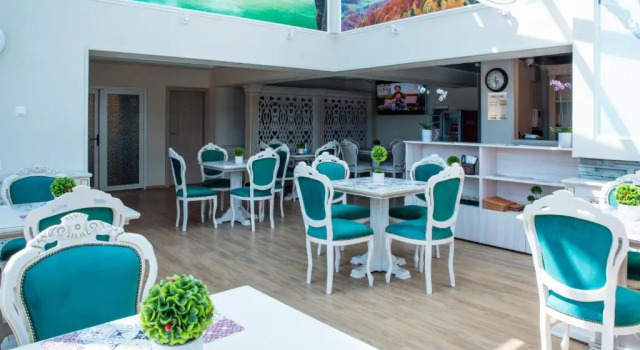
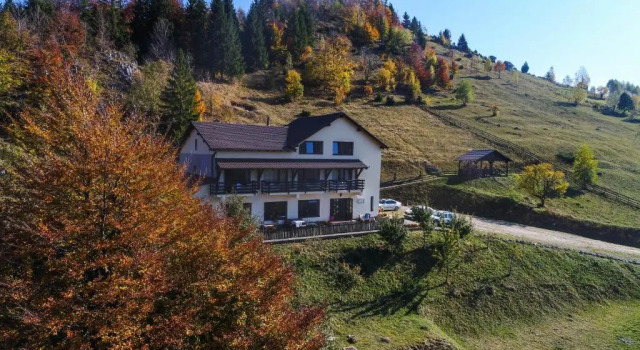
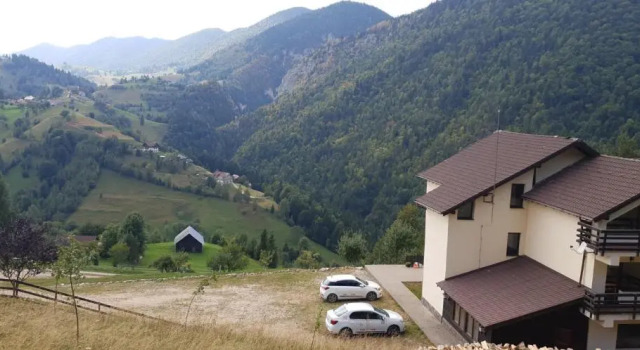
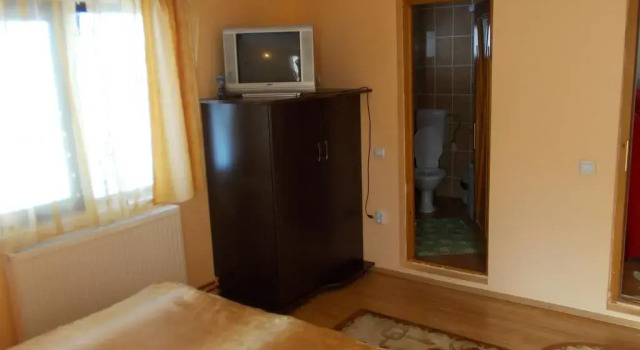
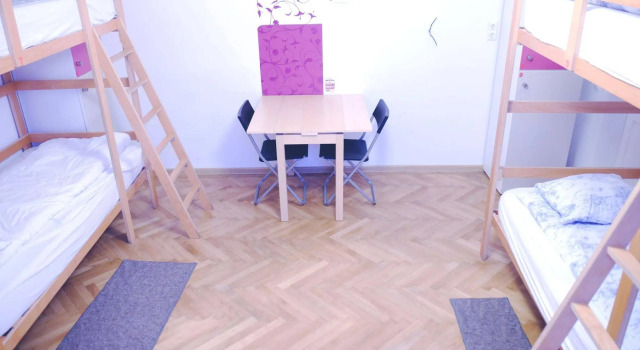
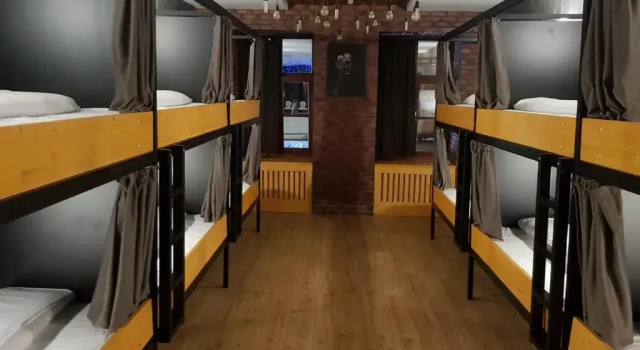
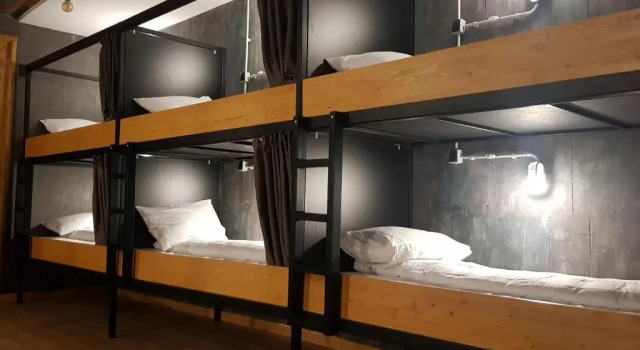
Centrul De Echitatie Poiana Brasov presents a tranquil retreat nestled within Poiana Brasov, a destination favored by those seeking outdoor pursuits and scenic beauty. The hotel’s convenient location, a mere kilometer from the slopes, provides immediate access to winter sports activities. It’s easily reachable from the city center, offering a balance between activity and rest.
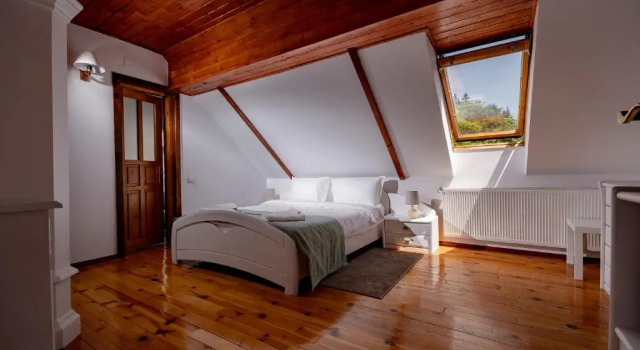
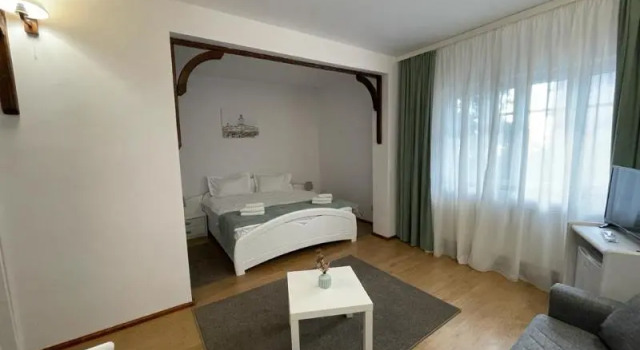
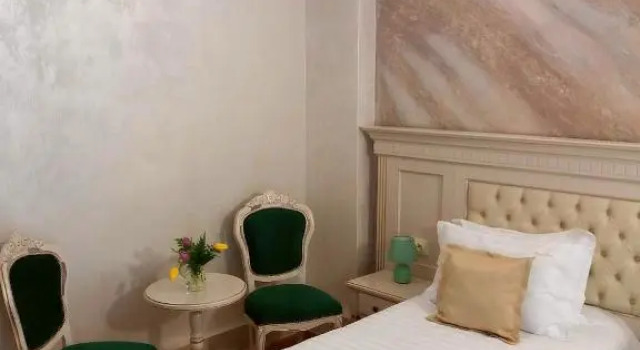
Number of rooms: 10