Peru's capital captivates visitors with its rich history and distinctive architecture. Most sightseeing routes begin at the Plaza Mayor, where Francisco Pizarro founded the capital of the Viceroyalty of Peru in the 16th century. The square is framed by the magnificent Lima Cathedral, which houses the tomb of the city's founder, the Baroque Archbishop's Palace with its ornate cedar balconies, the bright-yellow Municipal Palace, and the Government Palace, where the presidential guard changes daily at noon. At the center of the square stands a historic 17th-century bronze fountain.
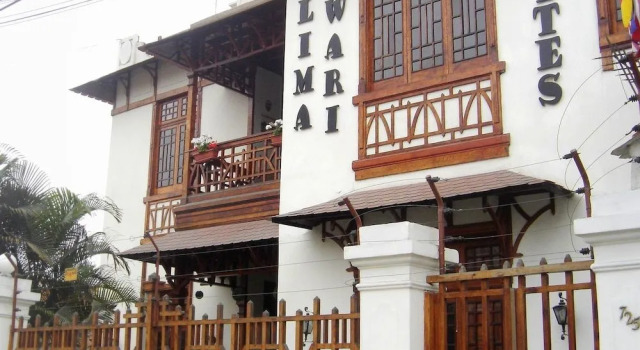
The city's colonial mansions with their carved Andalusian-style wooden balconies are true architectural gems. Must-see landmarks include the historic Aliaga House, the opulent Torre Tagle Palace with its filigree woodwork, the neoclassical Osambela House with its lookout tower, and the striking Goyeneche and Riva-Agüero mansions. Notable religious landmarks include the Monastery of San Francisco, known for its antique library and underground catacombs, as well as the Convent of Santo Domingo, the resting place of Saint Rose of Lima and Saint Martin de Porres. Do not miss Saint Peter's Church with its gilded altars and the Church of La Merced with its colorful carved granite facade.
To explore pre-Columbian cultures, head to the Larco Museum in the Pueblo Libre district. It houses an extraordinary chronological collection of artifacts from the Inca, Moche, Nazca, Chimú, and Paracas civilizations. Other major cultural spots include the National Museum of History, the Museum of the Republic, and the National Museum of Archaeology, Anthropology, and History of Peru.