
Nestled in the rolling hills of western Sicily, near the charming town of Calatafimi, lies Segesta, a remarkable archaeological site that transports visitors back to the ancient world. Renowned for its stunning Doric temple—an exceptionally well-preserved example of Greek architecture—the site also boasts a beautifully situated amphitheater with panoramic views of the surrounding valleys and Mount Inici. Founded by the Elymians, an indigenous people of Sicily, Segesta was once a powerful city-state straddling Greek and Phoenician influences, reflecting a complex cultural tapestry that can be explored through the ruins scattered across this evocative landscape.
The temple at Segesta, built in the 5th century BCE, remains incomplete, but its perfect columns and commanding presence offer a glimpse into the grandeur and ambitions of its creators. Nearby, the amphitheater, carved out of the hillside, continues to host seasonal performances, adding a living dimension to this ancient place. Visitors should plan their visit carefully: the site is best explored on foot, with comfortable shoes and water, given the uneven terrain and open-air exposure. Mornings and late afternoons are ideal to avoid midday heat and to capture stunning photographs under soft natural light, particularly in spring and autumn when weather conditions are mild, and tourist crowds are thinner.
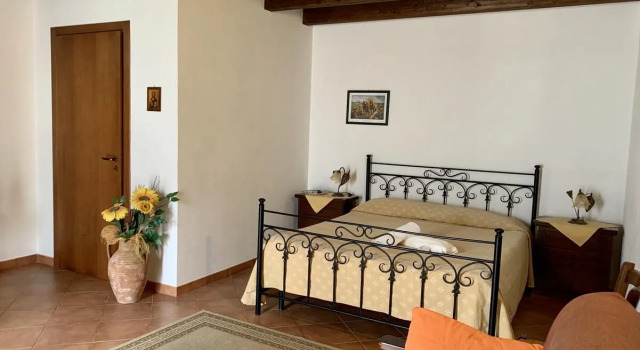
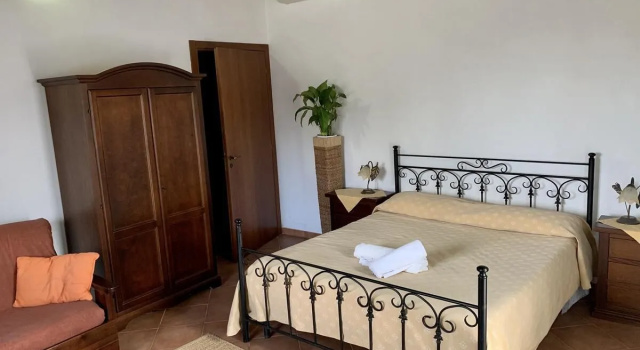
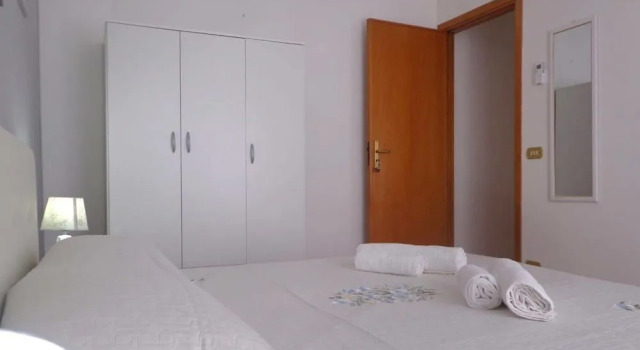
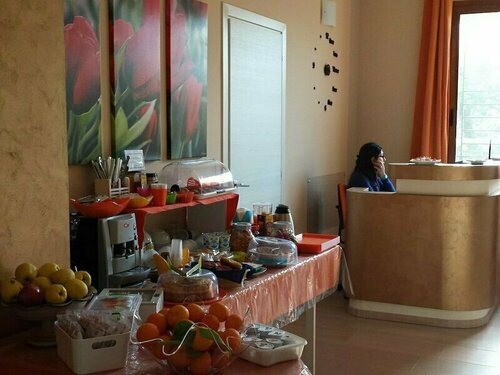
When it comes to accommodation, the nearby town of Calatafimi provides a range of options, from cozy bed-and-breakfasts to boutique inns that capture the authentic Sicilian spirit. Travelers seeking cultural immersion may opt for smaller guesthouses where hosts offer personalized guidance on local gastronomy and hidden gems. Those looking for convenience and modern amenities might choose hotels closer to Segesta’s entrance, allowing for early morning visits and easy access to nearby regional attractions. For longer stays or families, renting an apartment or agriturismo (a rural farmhouse) offers more space, a kitchen, and the chance to experience Sicilian hospitality firsthand. Booking well in advance is recommended during the peak months of May to September, as the site attracts a mix of history buffs, hikers, and theater enthusiasts drawn by summer events at the amphitheater.