Nestled in the northern quadrant of Milan’s extensive Metro network, the Bignami station serves as more than just a transit point—it is a gateway to exploring one of Milan’s less tourist-trodden neighborhoods, offering an authentic glimpse into everyday Milanese life. Named after the Italian anatomist Giacomo Bignami, this area, while primarily residential, is dotted with charming parks, local eateries, and artisan shops that reveal the city’s rich blend of tradition and modernity.
The Bignami area doesn’t boast grandiose landmarks like Milan’s famed Duomo or the fashionable Brera district, yet its appeal lies in its unvarnished character and quiet streets where locals jog, shop at small markets, and gather in piazzas. Historically, this zone developed alongside the expansion of Milan’s northern suburbs during the early 20th century, evolving from rural outskirts into a vibrant urban quarter. Visiting Bignami offers a chance to experience Milanese culture away from overwhelming tourist crowds, making it ideal for travelers seeking immersion rather than spectacle.
Planning your visit around the temperate seasons of spring and early autumn is advisable. The neighborhood’s parks, such as Parco Nord, come alive with greenery and outdoor activities during these months, providing pleasant opportunities for picnics, casual strolls, or cycling. Winters can be quite chilly and damp, which might dampen outdoor exploration, while summer heat can make midday walks uncomfortable. Since Bignami is primarily a residential area, there are no specific ticketed attractions, but visitors will appreciate the simplicity of wandering through local markets, two or three neighborhood cafés, and the occasional pop-up cultural events.
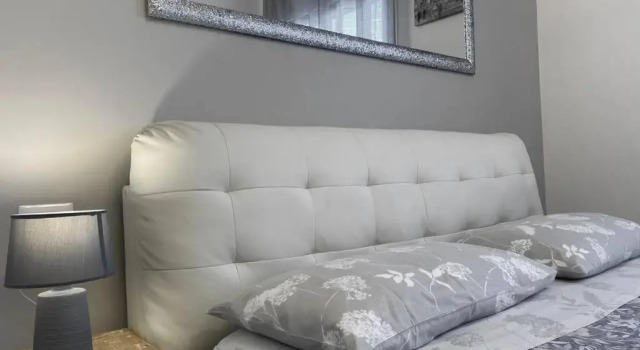
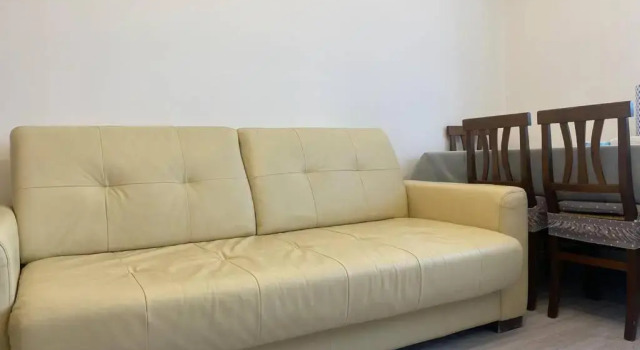
For accommodation, travelers have a variety of choices depending on their visit’s purpose. Those looking for convenience and a quick connection to Milan’s city center should consider hotels or boutique guesthouses near the Bignami Metro station itself, ensuring easy access to public transport and short travel times to major attractions like the Sforza Castle and the trendy Navigli district. Conversely, if the goal is to soak up everyday life in Milan, apartments or guest accommodations deeper into the neighborhood provide an authentic living experience. These options often offer a quiet retreat after a day of exploring, complete with kitchen facilities, ideal for longer stays or family trips.
Business travelers might prefer lodging closer to Milan’s northern business parks, where many corporate offices cluster, benefiting from close proximity to both Bignami’s metro and main road arteries. Meanwhile, budget-conscious visitors can find small inns or B&Bs scattered around adjacent districts, balancing price with convenient transit links.
Whether visitors choose to use Bignami as a base or a quiet detour, its understated charm and robust connectivity make it a worthy consideration when planning a Milanese itinerary that blends culture, comfort, and local color.