Nestled on the gentle slopes near Gongju, Yeongpyeongsa Temple offers travelers a serene escape steeped in centuries of Korean spiritual heritage. Established during the Baekje Kingdom era, this temple exudes a timeless charm, its wooden structures and intricately painted eaves surviving through Korea’s tumultuous history. Once a hub of Buddhist learning and meditation, Yeongpyeongsa remains a peaceful sanctuary where visitors can explore ancient relics, tranquil courtyards, and stone pagodas dating back over a millennium.
Exploring Yeongpyeongsa Temple is as much a spiritual experience as it is a cultural journey. The temple's layout is thoughtfully designed to harmonize with the surrounding natural landscape, inviting travelers to slow down and reflect amid the tranquil pines. Seasonal visits offer unique perspectives: spring drapes the temple grounds in delicate cherry blossoms, while autumn transforms the area into a tapestry of vibrant red and gold foliage, perfect for contemplative walks and photography. Winter brings a hushed stillness, with gentle snow accentuating the temple's architectural lines and offering a rare, meditative silence.
Visitors should plan their trip to coincide with the temple’s quieter weekdays to fully appreciate the contemplative atmosphere, avoiding crowds on weekends and national holidays. Guided tours are available for those interested in the temple’s rich history and Buddhist teachings, enhancing the visit with meaningful context. Modest temple etiquette is appreciated—dress comfortably but respectfully, remove shoes before entering prayer halls, and maintain a low volume to preserve the sanctity of the space.
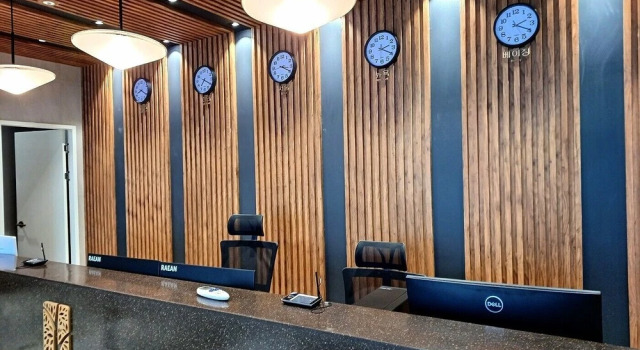
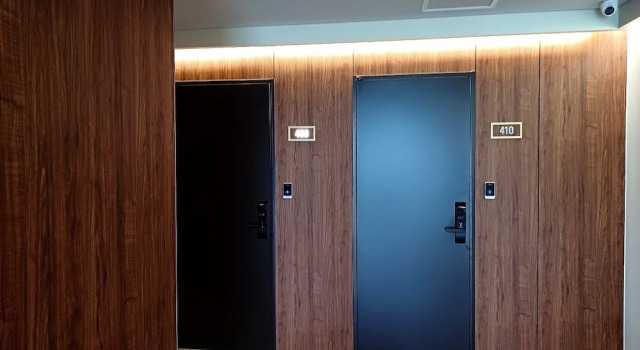
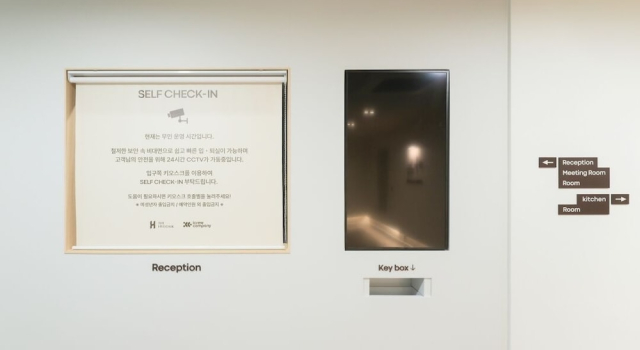
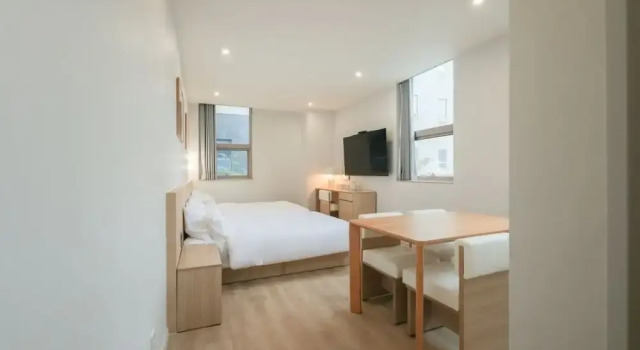
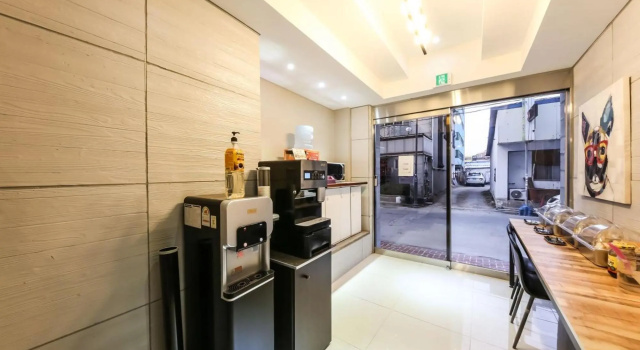
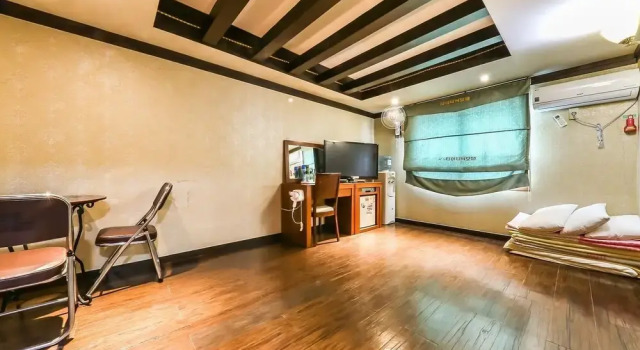
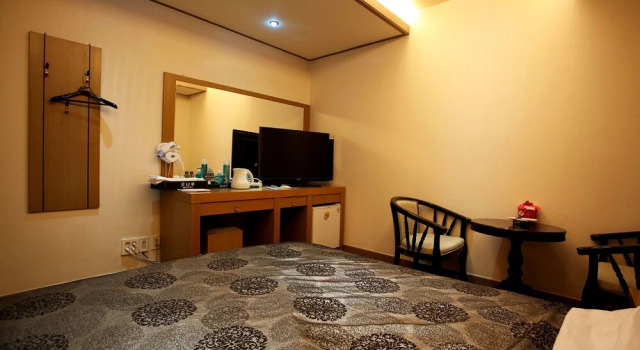
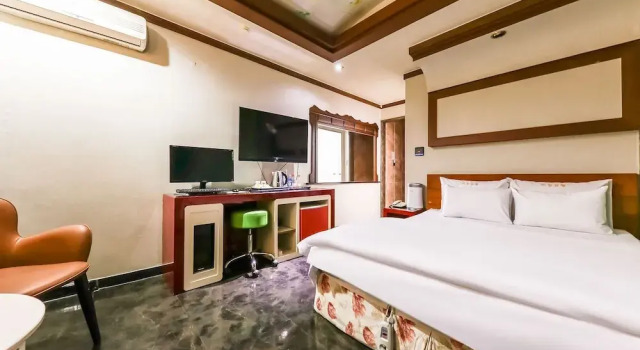
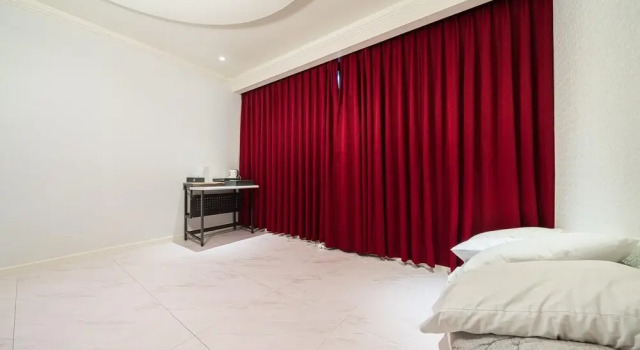
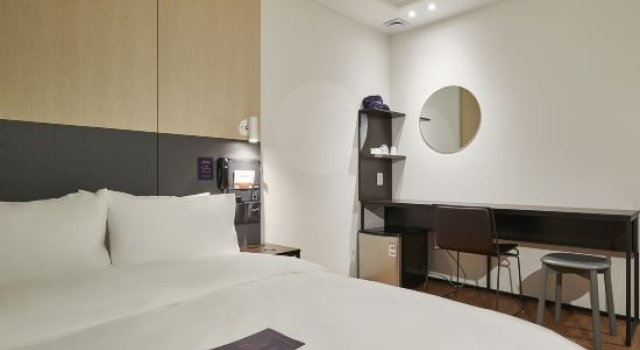
When it comes to accommodation, travelers have ample options near Yeongpyeongsa Temple depending on their preferences. For those seeking comfort and convenience, mid-range hotels in Gongju city center offer modern amenities, easy access to both the temple and local cultural sites, and a broad selection of dining options. Adventurous visitors interested in immersive cultural experiences may prefer staying in traditional guesthouses or hanoks near the temple, where mornings begin with the sounds of bell chimes and evenings close under starlit skies. Families or groups might find serviced apartments practical, combining space with self-catering facilities for a flexible itinerary.
Choosing lodging close to Yeongpyeongsa Temple is especially advantageous for early risers hoping to catch sunrise views over the misty mountains, or those wanting after-hours tranquility within a short stroll from their room. Booking accommodations with good transport links is advisable too; Gongju’s public transit and taxi services make day trips to nearby attractions, such as the Gongju National Museum or Gongsanseong Fortress, easily manageable. No matter the choice, spending nights near Yeongpyeongsa enhances the overall experience, allowing travelers to soak in the lasting peace and cultural resonance of this remarkable temple setting.