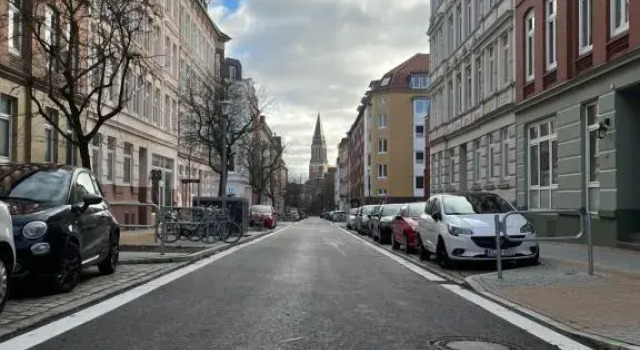
Kiel University, located in the vibrant city of Kiel on the Baltic coast of northern Germany, stands as a beacon of academic excellence and historical significance. Founded in 1665 by Christian Albert, Duke of Holstein-Gottorp, this institution has evolved into one of the oldest and most respected universities in the region. Its distinguished campus blends classic architecture with modern facilities, creating a unique ambiance that appeals not only to students and researchers but also to curious travelers interested in the cultural and intellectual heartbeat of the city.
The university’s setting is especially picturesque, nestled near the Kiel Fjord, providing scenic views that enrich the campus experience. Visitors can explore parts of the university grounds, which often feature exhibitions, lectures, or public events that offer a window into contemporary research and regional culture. While the university itself is primarily a working academic institution—so access to most areas must be planned around open events or guided tours—visitors can immerse themselves in the lively atmosphere by strolling through the adjacent botanical gardens, open year-round and showcasing a diverse array of flora native to the Baltic region.
Timing a visit during the warmer months from late spring to early autumn enhances the experience, as the surrounding greenery flourishes and outdoor campus events tend to increase. Winter visits, though quieter, offer a peaceful contrast, with fewer tourists and a chance to appreciate the university’s historic buildings dusted with snow.
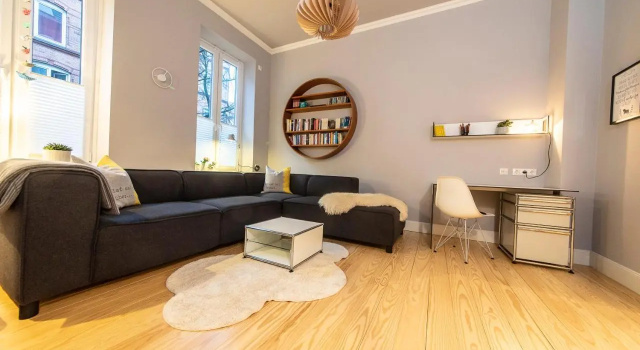
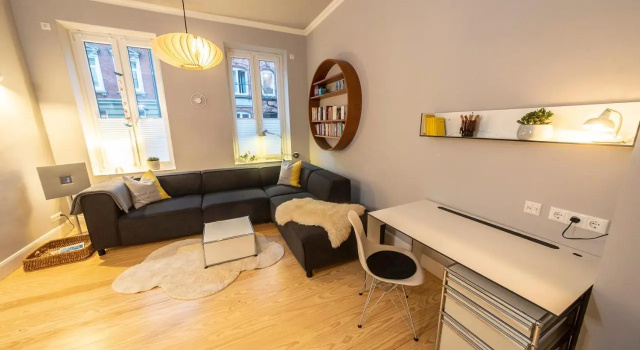
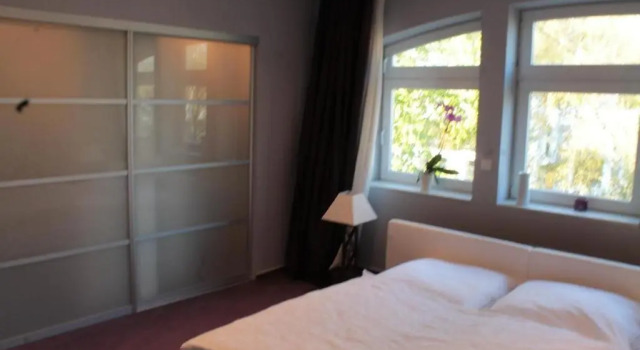
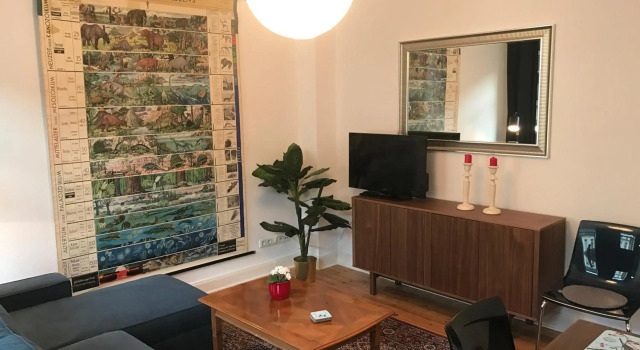
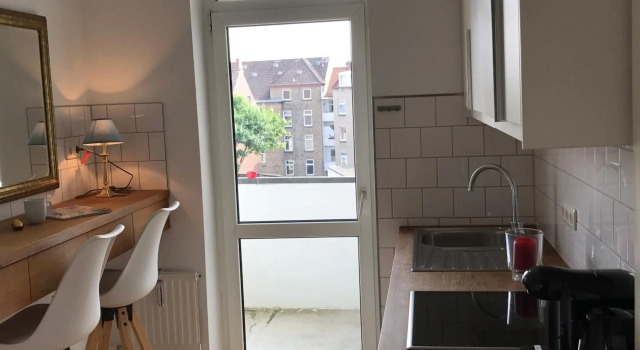
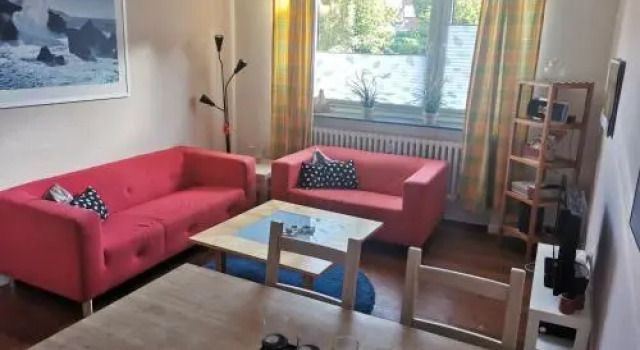
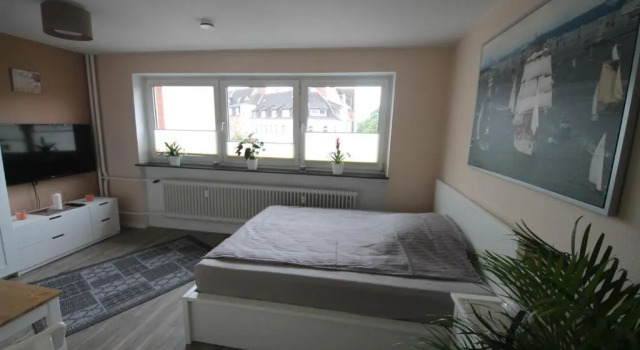
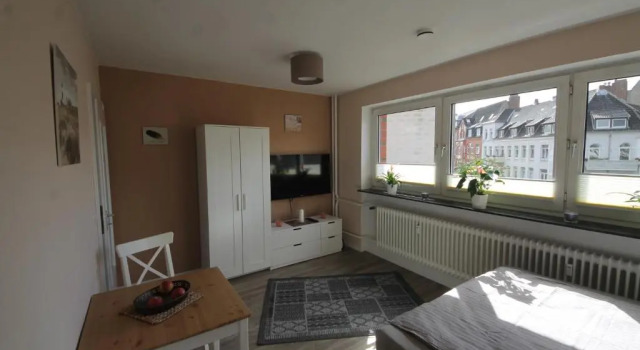
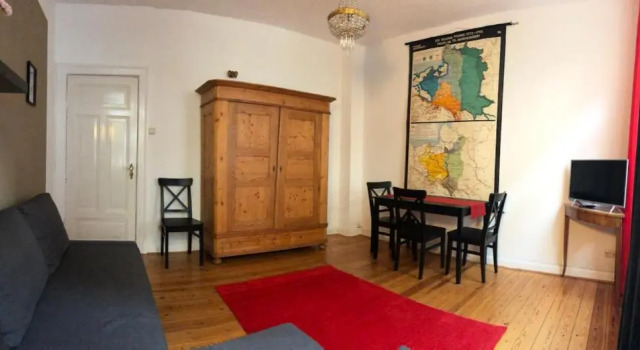
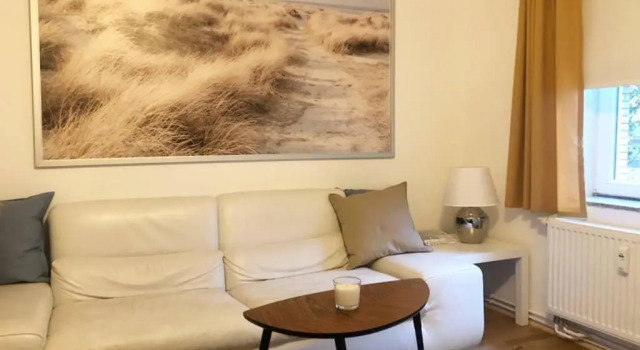
For travelers keen on staying near Kiel University, the choice of accommodation should align with the nature of the trip. Visitors attending academic conferences or university events might prefer the convenience of hotels or guesthouses near the campus, ensuring easy access to lectures and networking opportunities. These establishments usually range from boutique hotels with local charm to more business-oriented chains offering reliable amenities. For those visiting for leisure, apartments or inns located slightly farther from the university towards the city center or waterfront may provide a richer taste of Kiel’s maritime culture, lively cafés, and shopping districts—all within walking or short transit distance.
When booking a place to stay, consider proximity to public transport links that connect the university, city center, and the popular Kiel maritime attractions like the harbor or sailing clubs. This approach provides flexibility, whether your agenda leans toward academic engagement or leisurely exploration. Whichever accommodation you choose, staying near Kiel University offers the dual advantage of experiencing a historic academic environment alongside the dynamic coastal life of this northern German city.