Nestled in the serene landscape of Pogoni, the Tsamanta Folklore Museum offers an immersive dive into the rich cultural tapestry of the region. Housed in a charming traditional building, this museum is a treasure trove of local heritage, showcasing an extensive collection of artifacts, traditional costumes, agricultural tools, and handcrafted items that narrate the daily lives and customs of the Tsamanta community through centuries. The museum not only preserves relics but also embraces the oral histories and folklore passed down through generations, providing visitors with a vivid sense of Pogoni’s distinct identity.
Exploring the Tsamanta Folklore Museum reveals the agrarian roots and folk traditions that have shaped this mountainous area. Exhibits vividly illustrate traditional weaving techniques, seasonal festivals, and the symbolic dances peculiar to Pogoni, making it a fascinating stop for cultural enthusiasts and historians alike. Visitors can expect a guided experience enriched by knowledgeable staff eager to share stories behind the artifacts, which creates a personal connection to the region’s past. The museum typically opens during standard business hours, but it’s wise to check ahead as visiting hours can fluctuate seasonally, especially in winter when snowfall may impact access.
Spring through autumn is the optimal visiting period, offering not only favorable weather but also the chance to partake in local festivals, some of which are celebrated in the museum’s vicinity. These seasonal events provide a unique lens into continuing traditions that complement the museum’s static displays. Winter visits, while quieter, allow for a more intimate experience, but require thorough preparation for colder temperatures and potentially limited transportation options.
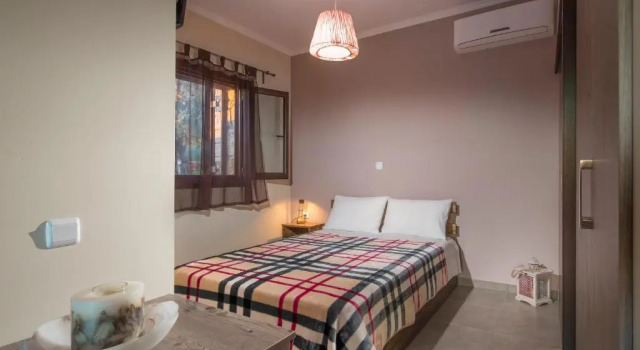
Accommodations near the Tsamanta Folklore Museum cater to a range of preferences and travel plans. For travelers seeking comfort and convenience, boutique hotels or well-appointed inns in Pogoni’s nearby villages offer cozy amenities and easy access to the museum and local eateries. Those desiring a more immersive experience might opt for traditional guesthouses or family-run apartments, where hospitality often comes with home-cooked meals and personal guidance on exploring the area. Selecting lodging closer to central Pogoni is practical for those prioritizing nightlife and dining, while more rustic options tucked deeper in the countryside appeal to visitors looking to unwind in tranquil natural surroundings after a day of cultural exploration. Booking accommodations well in advance is recommended during peak tourist seasons and festival times, ensuring both availability and better rates.
By blending cultural discovery with thoughtful planning, a visit to the Tsamanta Folklore Museum becomes not just a day trip but a meaningful journey into Pogoni’s heritage, made even more rewarding by tailored lodging choices that match the traveler’s unique tastes and itinerary.