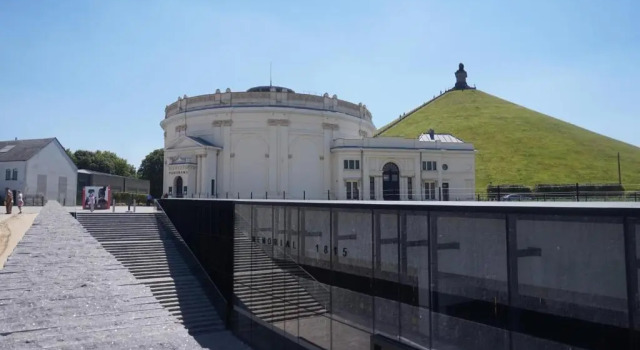
Rising majestically on the Belgian battlefield of Waterloo, the Lion’s Mound stands as a powerful symbol of history and remembrance. This massive artificial hill, crowned by a colossal lion statue, commemorates the site where the Allied forces decisively defeated Napoleon Bonaparte on June 18, 1815. Constructed between 1820 and 1826, the mound rises 43 meters (141 feet) high and offers panoramic views of the surrounding plains, allowing visitors to absorb the gravity of the historic confrontation that shaped Europe’s future.
Walking up the 226 steps carved into the mound’s sides is an experience that invites reflection as well as physical engagement. At the summit, the lion statue, a metaphor of bravery and victory, stands proudly with its paw resting on a sphere, symbolizing global power. Nearby, the visitor center provides multimedia exhibits, detailed battlefield maps, and artifacts that bring the story of the battle vividly to life. For history aficionados, guided tours are available seasonally, especially from spring to autumn when the weather enhances the outdoor experience.
Planning your visit to the Lion’s Mound is best done during the warmer months—from late April through early October—when the lush greenery of the battlefield is at its peak and outdoor museums are open. Early mornings or weekdays offer a quieter ambiance, ideal for reflection or photography. Keep in mind that while the mound is an outdoor site, the climb can be challenging for some visitors, so comfortable footwear and water are advisable.
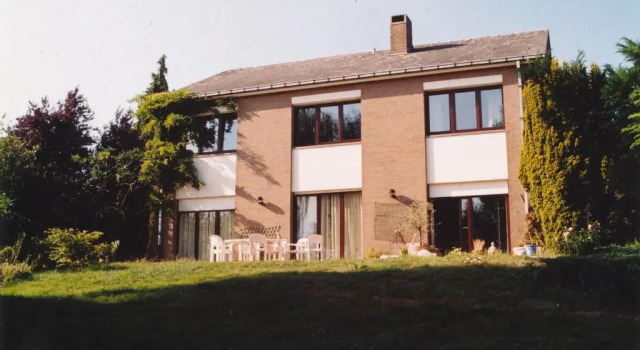
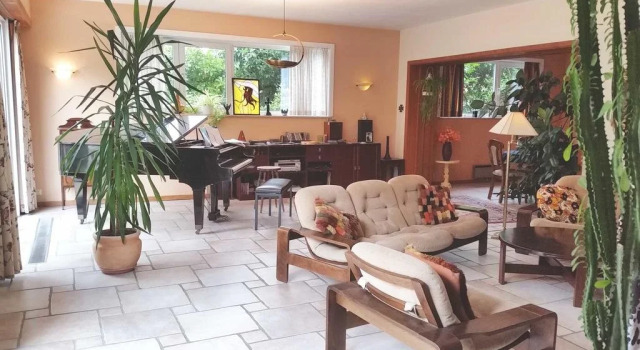
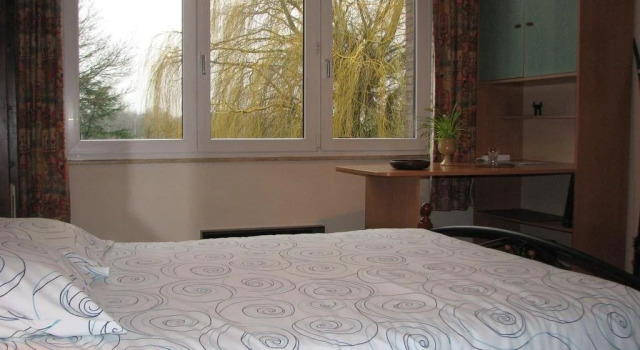
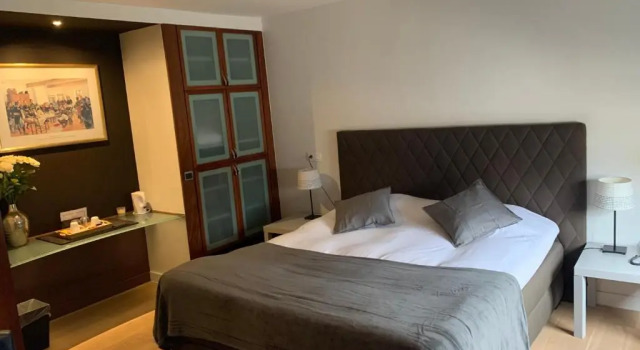
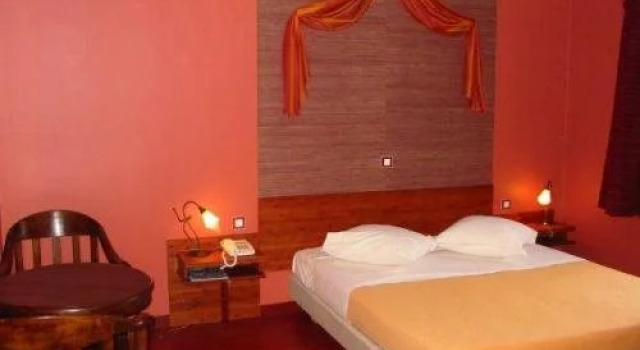
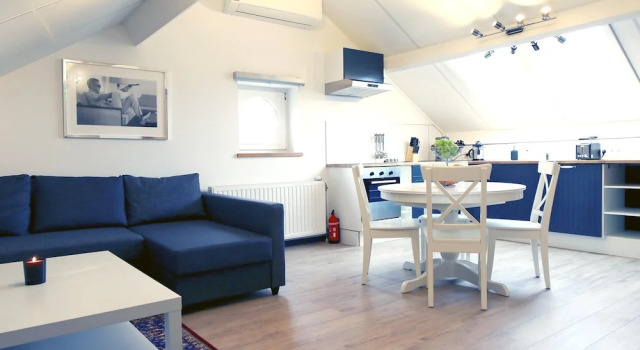
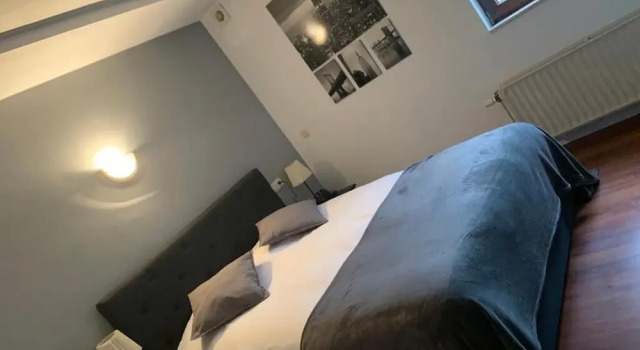
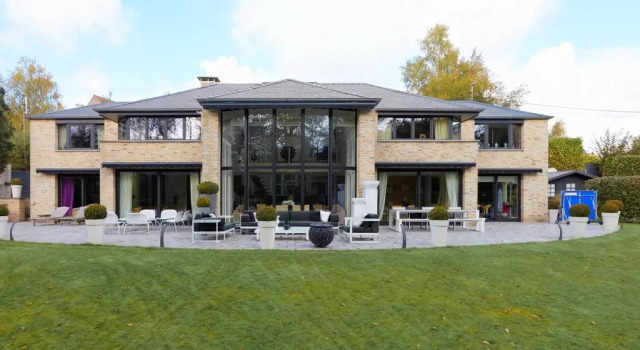
Accommodation near the Lion’s Mound ranges from charming countryside inns to modern hotels and self-catering apartments. Travelers visiting primarily for history or immersive battlefield tours might prefer staying closer to the historic core of Waterloo, where many hotels offer easy access to the Lion’s Mound and adjacent museums. Those in search of a more relaxed countryside atmosphere could opt for bed and breakfasts amidst tranquil rural landscapes, allowing for a leisurely exploration of the broader region. Families or groups might find vacation rentals or apartments with kitchen facilities advantageous, providing flexibility for longer stays.
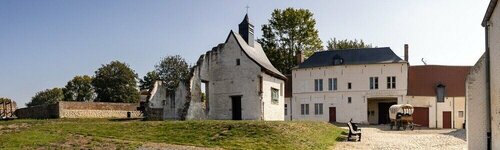
Choosing where to stay also depends on your travel style: luxury hotels often provide spa services and fine dining for a pampered experience after a day of touring, while budget travelers can find cozy inns and guesthouses that balance comfort and authenticity without breaking the bank. Proximity to public transportation is another factor to consider if you plan on visiting other nearby historic attractions such as the Hougoumont Farm or the Wellington Museum.
Whatever your preferences, a stay near the Lion’s Mound offers a unique opportunity to step back in time and appreciate one of Europe’s most significant turning points firsthand, with accommodation options that meet a variety of needs and tastes.