Nestled along Portugal’s stunning Alentejo coast, the MEO Sudoeste festival in Zambujeira do Mar is a vibrant celebration of music, culture, and summer spirit. Since its inception in 1997, this event has grown into one of the country’s largest and most beloved music festivals, attracting thousands of visitors eager to experience a diverse lineup of top-tier international and Portuguese artists. The festival is traditionally held in early August on the idyllic beach of Zambujeira do Mar, offering a unique blend of electrifying performances and the raw beauty of the Atlantic Ocean.
The landscape surrounding Zambujeira do Mar, characterized by dramatic cliffs, golden sandy beaches, and an unspoiled natural environment, provides not only a breathtaking backdrop but also a sense of connection to the region’s fishing heritage. Historically, the village was a modest fishing community, which today harmoniously balances tranquility with the lively pulse of the festival season. Visitors during MEO Sudoeste experience a rare opportunity to immerse themselves in both contemporary festival culture and traditional Portuguese coastal life.
Planning a visit to MEO Sudoeste requires some forethought. The festival typically runs for four days, encompassing multiple stages and musical genres, from electronic beats to rock and pop. Because of its popularity, early ticket purchase is essential, and camping is a favored option for many attendees to fully embrace the communal and open-air spirit of the event. Note that given the August timing, the weather is reliably warm and dry, making it perfect for both beach activities during the day and late-night concerts.
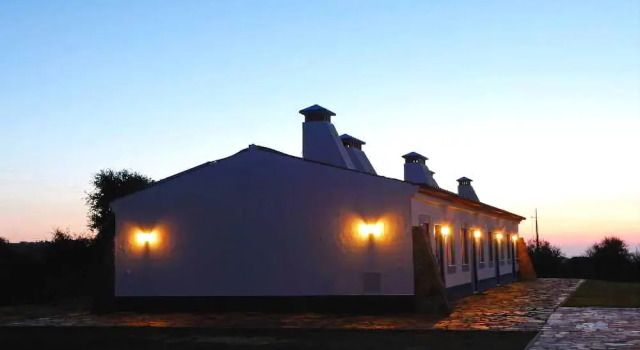
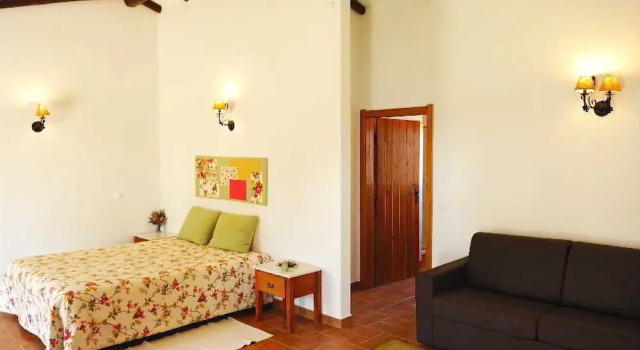
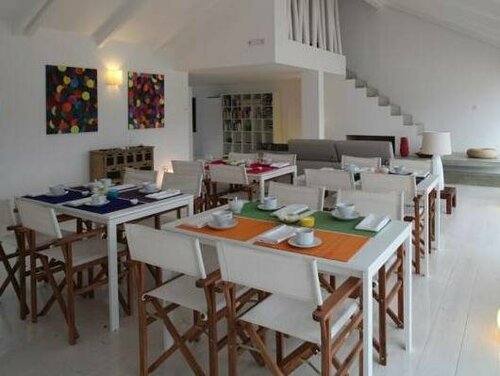
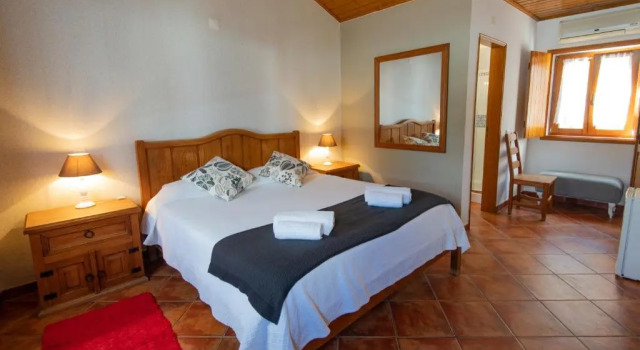
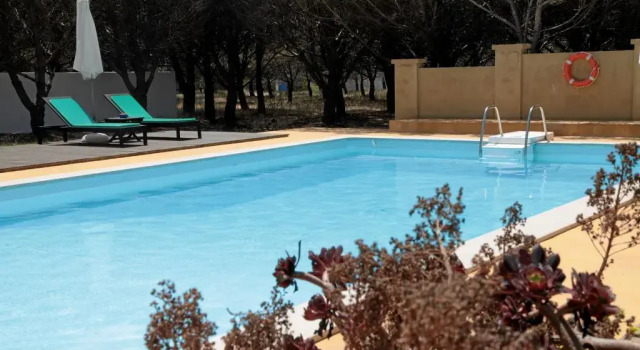
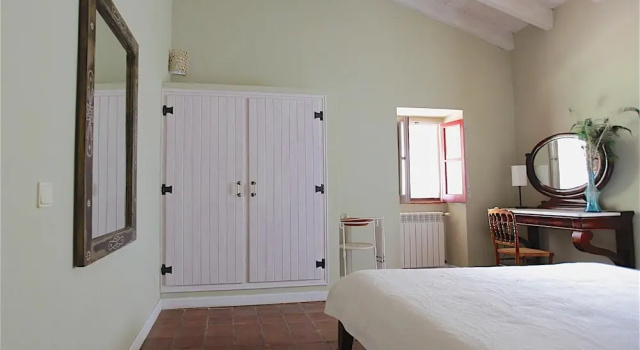
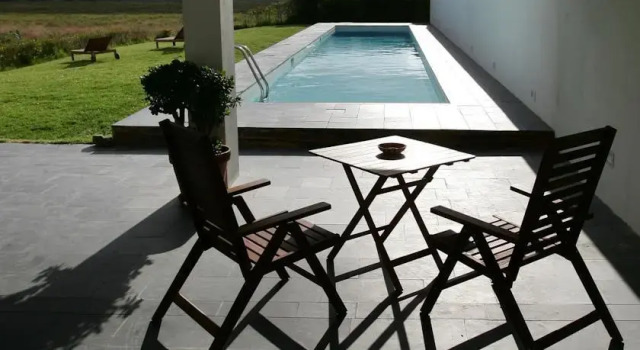
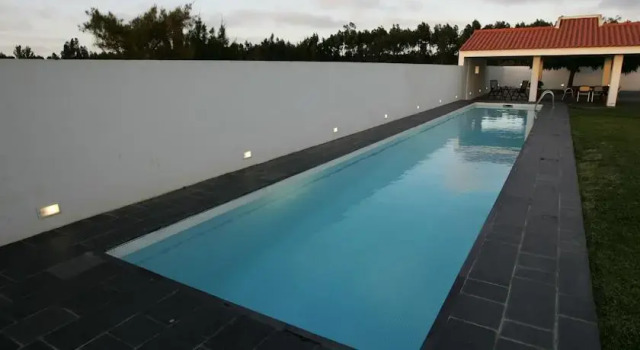
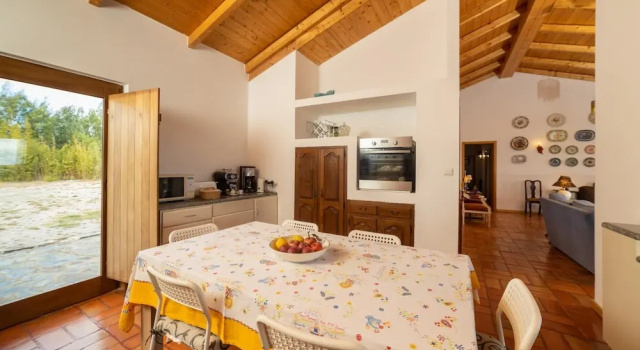
When it comes to lodging, accommodations in and around Zambujeira do Mar vary greatly, catering to different traveler needs. Hotels and boutique inns in the village itself offer comfort and local charm, often favored by those seeking a more relaxed experience outside festival hours. For festival-goers prioritizing convenience and a vibrant atmosphere, staying closer to the festival site or choosing rental apartments that can accommodate groups is ideal. These options often provide easy access to the festival grounds while allowing flexibility in meal preparation and downtime.
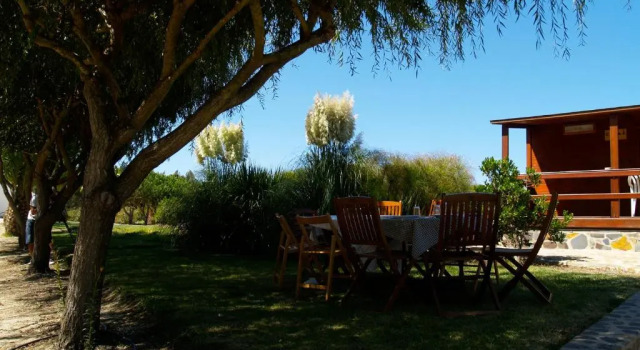
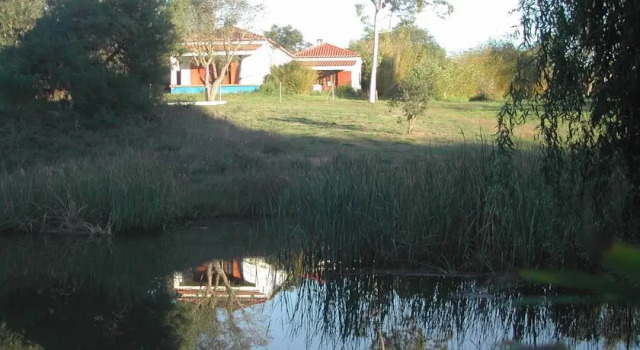
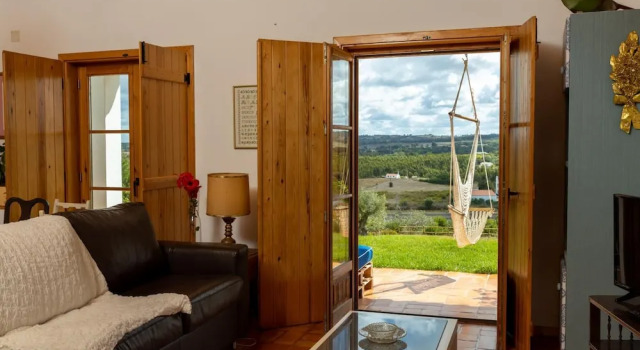
For travelers who prefer tranquility or who plan to extend their stay beyond the festival dates, the surrounding Alentejo region’s rural accommodations—such as traditional country houses (quintas) and eco-friendly lodges—allow for a peaceful retreat amid cork oak forests and rolling hills. This choice suits visitors interested in exploring the region’s natural parks, wine routes, and historic towns.