Nestled within the vibrant cultural tapestry of Kathmandu lies the Sleeping Vishnu, a serene and spiritually compelling statue that draws visitors seeking both historical depth and a moment of quiet contemplation. This enormous reclining figure of Lord Vishnu, carved in black stone, represents the deity in his cosmic slumber, resting on the coils of the serpent Shesha. Believed to date back to the Licchavi period (circa 400-750 CE), this ancient sculpture offers a poignant glimpse into Nepal’s rich Hindu traditions and artistic heritage, serving not only as a religious icon but also as a masterpiece of ancient craftsmanship.
Positioned in an open courtyard, the Sleeping Vishnu stands about 15 meters long, making it one of the largest stone icons of the god in the region. The figure's tranquil expression captures the cosmic belief in Vishnu's role as the preserver of the universe, who sleeps between cycles of creation and destruction. Visitors often find the peacefulness of the statue surprisingly moving, juxtaposed against the lively bustle of Kathmandu nearby. The statue's location within the Kathmandu Durbar Square area— itself a UNESCO World Heritage Site—adds layers of historical and architectural interest, with a backdrop of ancient temples and traditional courtyards.
When planning a visit to the Sleeping Vishnu, consider arriving early in the morning to enjoy the statue in soft natural light and relative quiet, before the day’s crowds gather. Weekdays tend to be less busy, and avoiding major Nepali festivals or religious holidays can provide a more intimate experience. The statue is accessible year-round, but the post-monsoon months from October to December are particularly pleasant for exploring Kathmandu’s outdoor heritage sites, thanks to clear skies and moderate temperatures. Comfortable walking shoes are recommended, as the area invites exploration on foot, including nearby temples and local markets where traditional crafts and souvenirs abound.
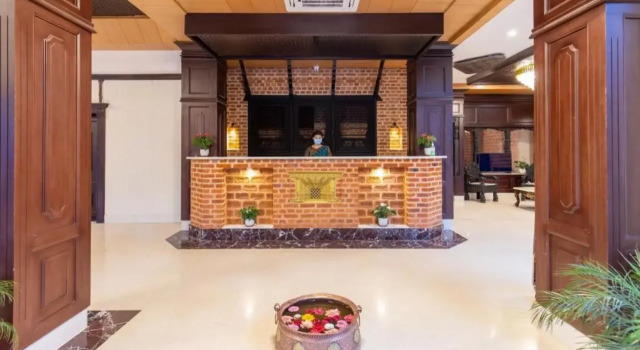
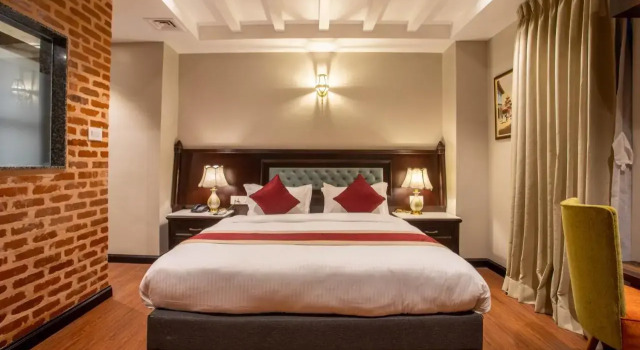
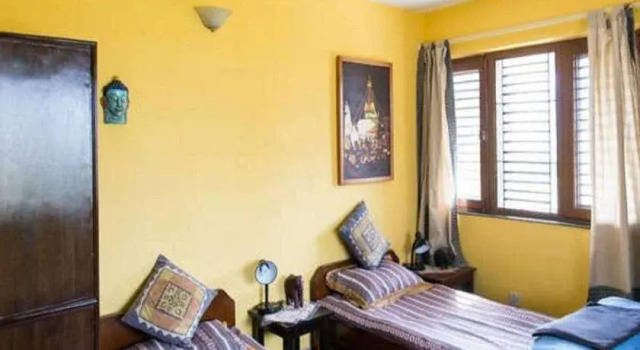
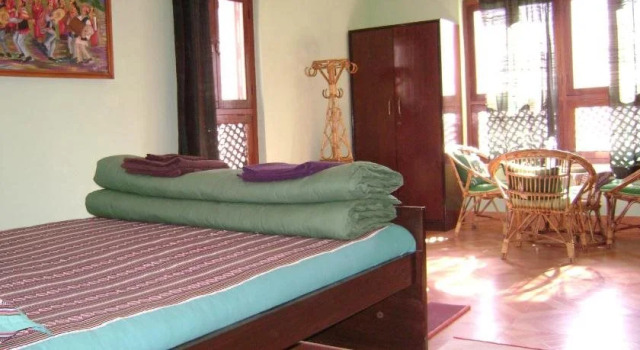
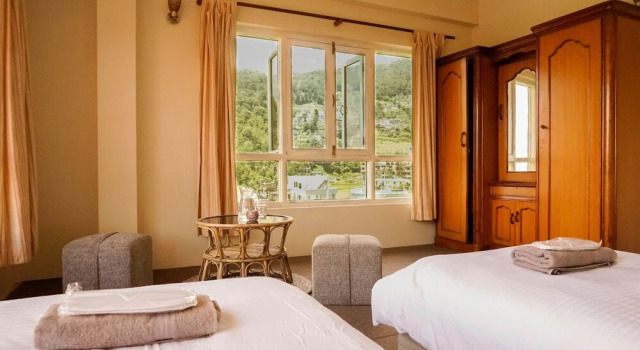
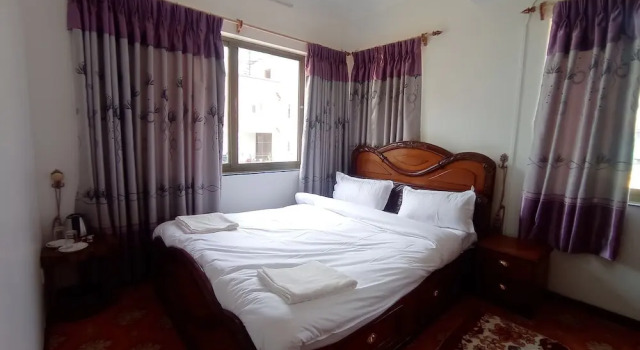
Choosing accommodation near the Sleeping Vishnu depends largely on your travel style and itinerary. For travelers focused on cultural immersion, boutique guesthouses and heritage hotels within the city center offer proximity to historical landmarks and authentic local atmosphere. These establishments often provide curated walking tours or rooftop terraces with stunning views of the ancient cityscape. Those planning a more relaxed, family-oriented visit might prefer apartments or serviced residences in quieter neighborhoods a short drive away, balancing convenience and comfort. Budget-conscious tourists will find ample hostels and inns nearby, offering basic amenities with easy access to the thoroughfares leading to the statue and other cultural highlights.