The Pont du Gard stands as a stunning testament to Roman engineering prowess, gracefully arching over the Gardon River near the village of Vers-Pont-du-Gard in southern France. Built in the 1st century AD as part of an aqueduct stretching over 50 kilometers to supply water to the ancient city of Nîmes, this three-tiered bridge remains remarkably well-preserved. Rising nearly 50 meters above the river, its colossal limestone arches showcase the Romans' mastery of both form and function, blending utility with monumental beauty.
Visitors to the Pont du Gard can explore not only the bridge itself but also a well-curated visitor center that offers engaging exhibits on Roman engineering, archaeology, and regional history. The area surrounding the monument features walking trails, picnic spots, and a charming riverside café. Although the site is open year-round, spring and early autumn are ideal for visiting, with milder temperatures and fewer crowds compared to the peak summer months when the area can become quite busy. Early arrivals or late afternoons provide the best light for photography, capturing the bridge’s textured limestone glowing warmly in the sun.
Planning your visit involves some walking, so comfortable footwear is recommended. While admission fees apply to the museum and preserved areas, wandering along the surrounding natural park and riverbanks is free, offering a quieter experience. Families will appreciate the educational activities organized during holidays, while history buffs can join guided tours to delve deeper into the aqueduct’s fascinating construction techniques and role in Roman society.
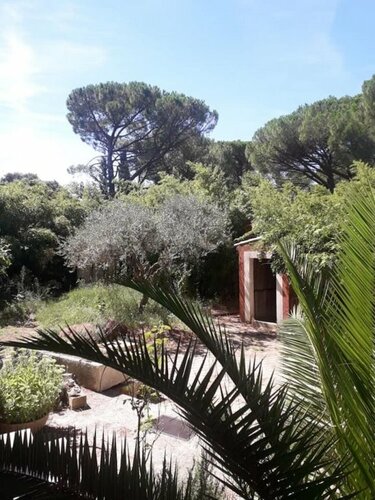
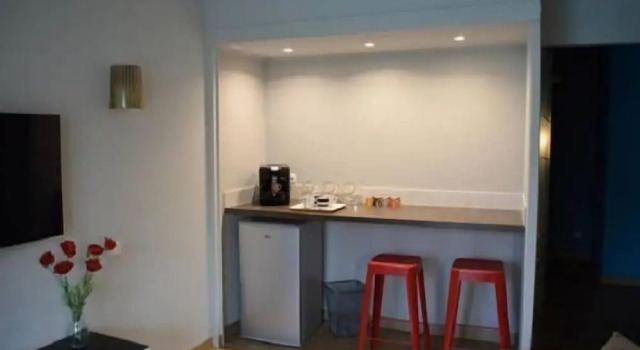
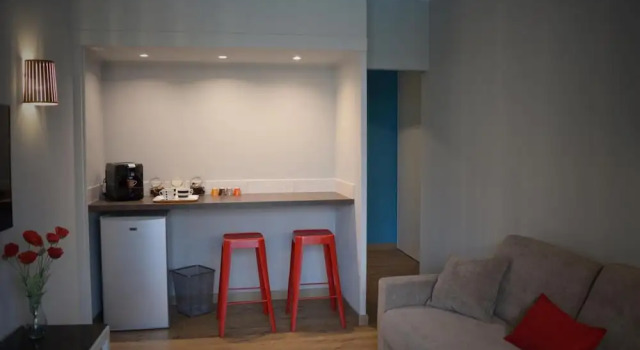
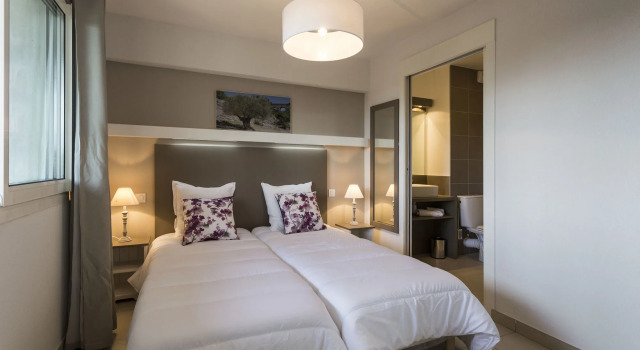
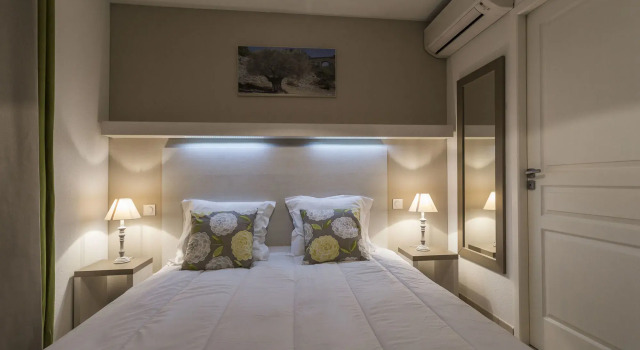
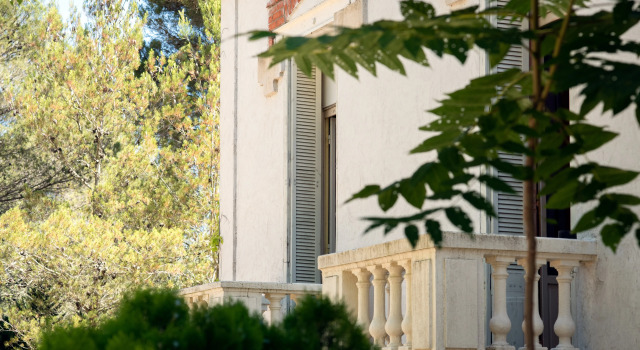
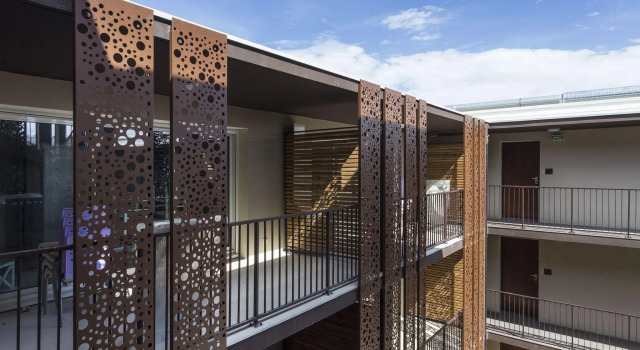
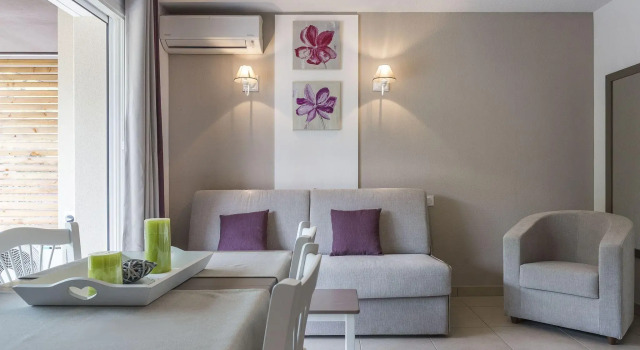
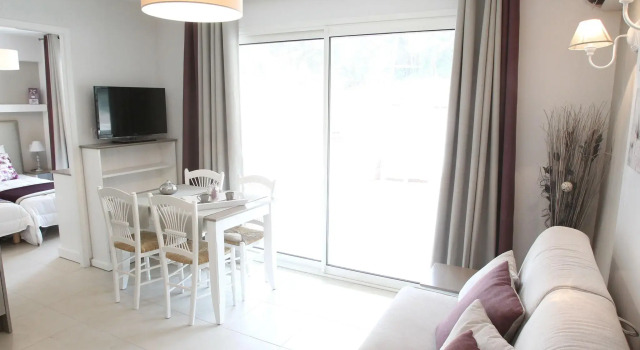
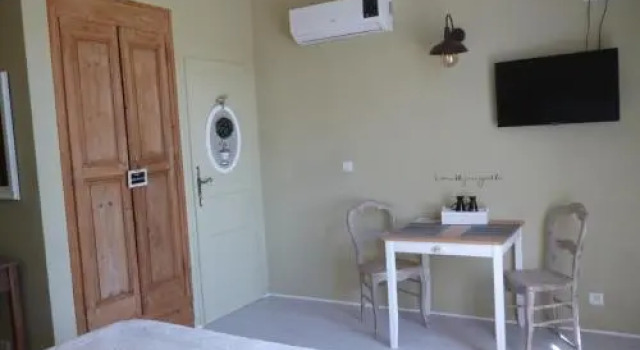
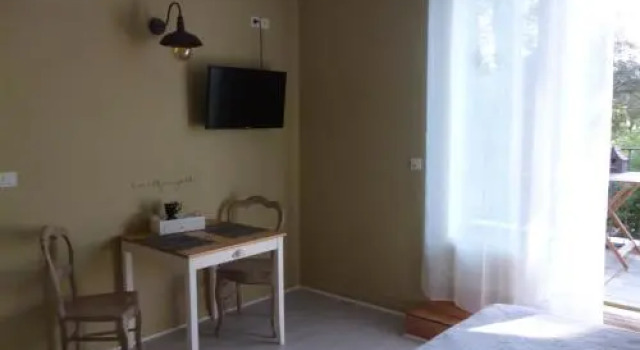
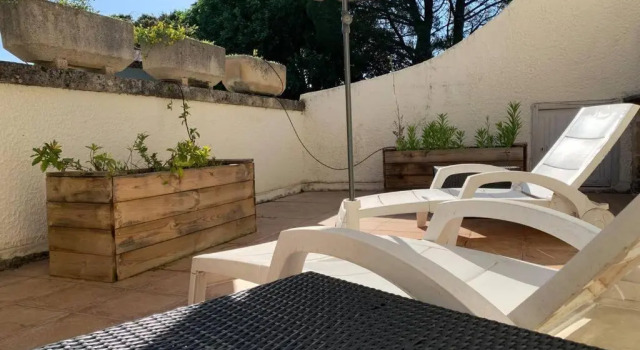
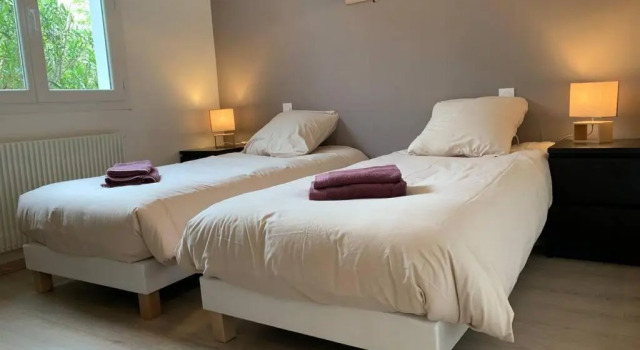
Accommodations near the Pont du Gard vary widely, allowing travelers to tailor their stay according to the style and purpose of their trip. For those seeking a tranquil retreat immersed in nature, charming countryside inns or rural bed and breakfasts offer authentic Provençal hospitality within memorable, rustic settings. Visitors drawn by heritage and culture might prefer boutique hotels in nearby towns such as Uzès or Remoulins, where cobbled streets and lively markets provide a perfect blend of modern comfort and local flavor. If flexibility and independence rank high on the list, renting an apartment or holiday cottage can be an excellent choice, giving you the chance to explore the region at your own pace and prepare your own meals with fresh local produce.