Nestled in the lush, verdant landscape of Furnas, the Plantacoes de Chá (Tea Plantations) offer visitors a unique glimpse into the Azores’ lesser-known agricultural heritage. These tea plantations are among the few in Europe, thriving in this mild, naturally humid climate enriched by volcanic soils. Their origins date back to the late 19th century when tea cultivation was introduced as an experimental crop and later became a successful, sustainable enterprise, supplying both local demand and export markets.
Wandering through the meticulously maintained rows of Camellia sinensis, the tea plant, visitors can discover the entire tea production process—from hand-picking the tender leaves to withering, rolling, and drying. Guided tours enrich the experience with historical anecdotes and insights into traditional techniques still employed today, ensuring that each sip of tea connects drinkers to the island’s cultural roots. The surrounding scenery, with misty hills and distant crater lakes, adds a serene backdrop perfect for photography or quiet reflection.
When planning your visit, it’s advisable to aim for the spring and early summer months when the plants are most vibrant, and the weather is generally gentle, avoiding the wetter fall and winter seasons. Mornings tend to be less crowded and offer the best light for photos. Advance booking for tours is recommended, particularly during summer, to secure a spot and tailor your experience with expert guides who speak multiple languages.
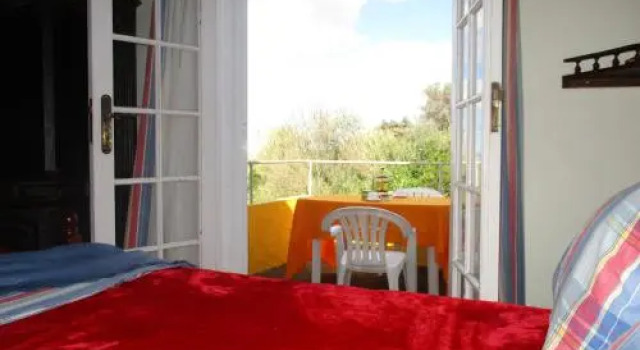
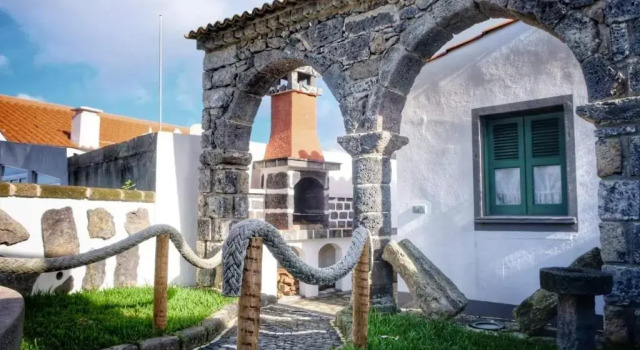
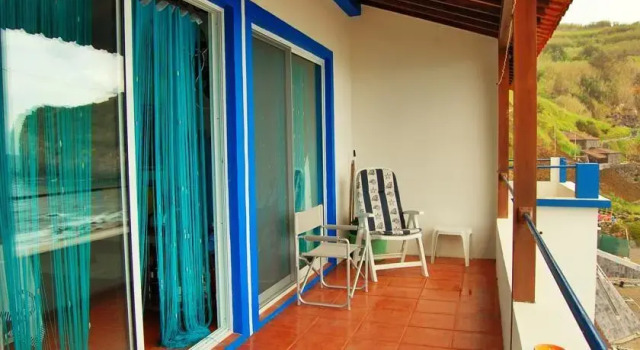
Accommodations near the Plantacoes de Chá are plentiful, catering to various preferences and travel styles. For travelers prioritizing comfort and convenience, boutique hotels in Furnas village provide easy access to hot springs and local eateries. Adventure seekers or nature lovers may opt for charming guesthouses or eco-lodges slightly farther afield, immersing themselves in tranquil woodlands with panoramic views. Families and longer-term visitors often find apartments or self-catering cottages ideal for flexibility and home-style comfort after long days of exploring.
Choosing where to stay depends on your itinerary focus: a centrally located hotel suits those looking to balance botanical tours with thermal baths and cultural activities, whereas more remote lodgings afford a peaceful retreat for those wanting to absorb the island’s pristine environment. Whichever option you choose, the combination of the Plantacoes de Chá and nearby natural wonders makes Furnas a compelling destination that combines history, nature, and relaxation seamlessly.