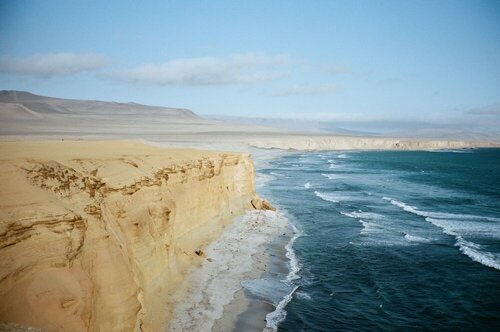
Paracas Reserve, located on the southern coast of Peru, is a stunning natural sanctuary that captivates visitors with its dramatic desert landscapes meeting the Pacific Ocean. Established in 1975, this protected area covers more than 335,000 hectares and encompasses arid hills, pristine beaches, and hidden bays, making it one of Peru’s most important marine reserves. The reserve is renowned for its rich biodiversity, hosting countless species of seabirds, including the iconic Humboldt penguins, as well as sea lions and dolphins. Its underwater ecosystem is equally impressive, thanks to the nutrient-rich waters of the Humboldt Current that support vibrant marine life, ideal for snorkeling and diving enthusiasts.
Visiting Paracas Reserve requires thoughtful planning to make the most of its natural beauty while respecting conservation efforts. Guided tours are highly recommended, as they provide valuable insights into the region’s ecological importance and help protect fragile habitats. The best time to visit is during the Southern Hemisphere summer months (December to March) when the weather is warm and clearer skies prevail, offering ideal conditions for boat trips to the nearby Ballestas Islands, often called the “Poor Man’s Galápagos.” Keep in mind that mornings tend to be calm and less windy, perfect for a sea excursion, while the afternoon winds pick up, creating rougher waters.
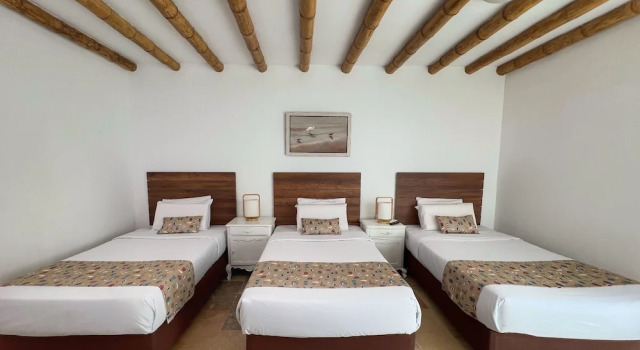
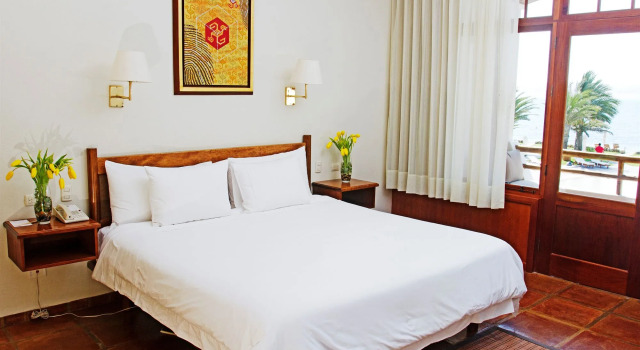
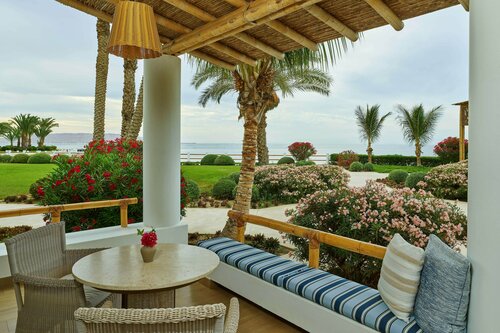
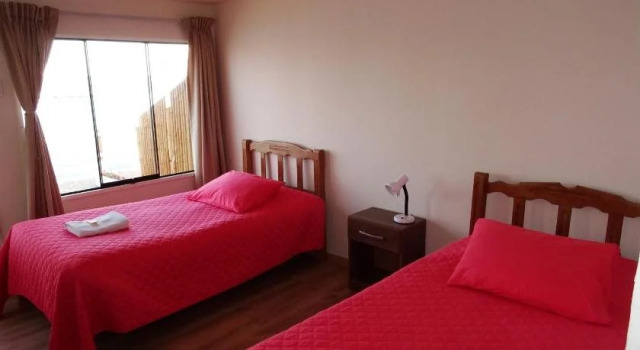
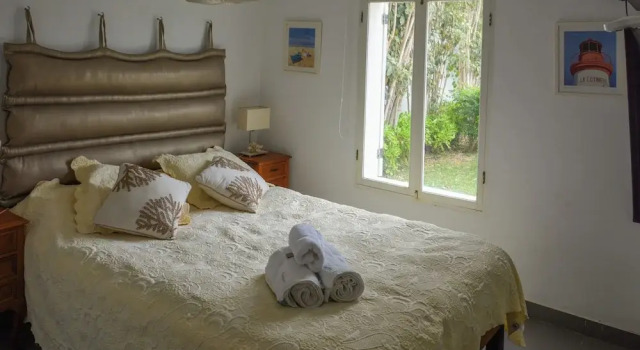
When it comes to accommodation, travelers have a variety of options in the town of Paracas, just a few kilometers from the reserve entrance. For those seeking convenience and comfort, hotels along the waterfront offer stunning views of the bay and quick access to the ports for boat tours. Budget-conscious travelers might prefer cozy inns or guesthouses within the town, surrounded by local eateries and markets. If your priority is relaxation and luxury, resorts with spa services and private beach access provide a tranquil environment to unwind after a day of exploration. Apartment rentals give flexibility for longer stays or family trips, offering home-like amenities within walking distance of restaurants and shops. Choosing where to stay depends largely on your itinerary—active adventurers benefit from proximity to tour operators and beaches, while those looking to appreciate quiet scenery might opt for accommodations on the periphery of town.