Nestled in the heart of northern Romania, Neamţ Monastery stands as a beacon of spiritual and historical significance, inviting travelers to step into a world where medieval architecture meets serene natural beauty. Established in the late 14th century, this Orthodox monastery is one of the oldest and most revered monastic settlements in the region. Its robust stone walls, fresco-adorned interiors, and the peaceful cadence of monastic life offer a unique glimpse into centuries of religious tradition and Romanian heritage.
The monastery’s architectural ensemble showcases a blend of Byzantine and Moldavian styles, with its imposing church featuring intricately carved stone portals and well-preserved frescoes that date back to the 15th and 16th centuries. Visitors wandering through the complex will encounter not only the main church, but also bell towers, defensive walls, and charming courtyards dotted with traditional wooden benches—perfect for moments of quiet reflection. History enthusiasts will appreciate the monastery’s role as a cultural and religious hub during medieval times, having served as a scriptorium for religious manuscripts and a refuge during turbulent periods.
When planning a visit to Neamţ Monastery, consider arriving during the spring or early autumn months. These seasons provide mild weather and vivid landscapes, enhancing the experience not only of the monastery grounds but also the surrounding natural scenery, including the nearby Neamţ River and forested hills. Summer months, while warmer, can attract larger crowds, especially during important religious holidays such as Easter and the Feast of the Ascension, when pilgrims flock to the site. Winter visits reveal the monastery’s stoic beauty cloaked in snow but require warmer clothing and cautious travel on potentially icy roads.
Practical visiting tips include allowing at least two to three hours to fully explore the monastery and its museum, where religious artifacts and old icons are displayed. Modest dress is essential, as the site remains an active place of worship; shoulders and knees should be covered, and respectful behavior is expected. Photography is generally permitted, but flash and tripod use may be restricted inside the church.
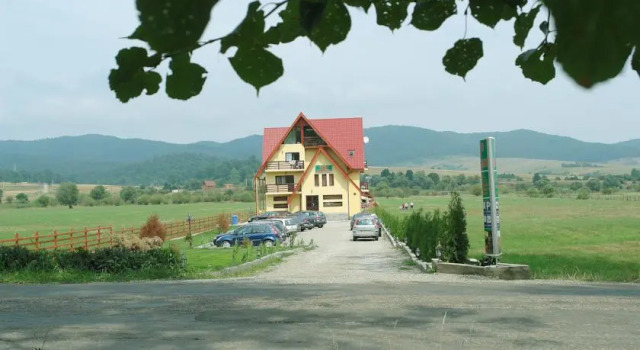
For accommodation, travelers will find several options in the nearby town of Târgu Neamţ and surrounding villages. Selecting a cozy guesthouse or small hotel in the area offers easy access to the monastery while immersing visitors in local hospitality. For those seeking tranquility and immersion in nature, guesthouses located closer to the wooded outskirts provide peaceful retreats ideal for spiritual reflection or hiking enthusiasts. If your trip focuses on cultural exploration or attending religious festivities, opting for centrally located hotels in Târgu Neamţ affords convenience in dining and additional sightseeing tours around Neamţ County. Apartments are a good choice for longer stays or families, offering space and flexibility.
In all cases, booking ahead is advisable, especially during peak pilgrimage seasons and summer holidays, when accommodation options fill quickly. Whether visiting for a day trip or an extended stay, choosing lodging that fits your travel priorities—whether ease of access, immersion in nature, or cultural convenience—will enrich the experience of exploring the timeless Neamţ Monastery.