Mammoth Hot Springs, an extraordinary geothermal marvel located in the Yellowstone region near Mullens, captivates travelers with its striking terraces sculpted by centuries of mineral deposition. These travertine formations, created by hot water rising through underground limestone, have been building and transforming the landscape for thousands of years. The area is named for its vast size and the mammoth scale of its terraces, which shimmer in shades of white, cream, and sometimes vibrant orange—colors brought to life by thermophilic bacteria thriving in the hot waters.
Historically, Mammoth Hot Springs has fascinated explorers and visitors since the 19th century, when early expeditions mapped its unique features as part of the greater Yellowstone National Park volcanic system. The springs themselves rest atop an underground network of fractures and faults feeding the waters heated from the Yellowstone hotspot, continuously reinventing the terraces. In winter, steaming rises from the surface, contrasting with the snowy landscape, while summer offers pathways lined with lush greenery, making the site strikingly photogenic year-round.
Planning a visit to Mammoth Hot Springs requires thoughtful timing. Spring through early fall is the most accessible period, when boardwalks and trails are fully open, allowing visitors to safely wander among the terraces. Winter visitors can enjoy a quieter, more introspective experience, although access is more limited and weather conditions can be challenging. Early mornings and late afternoons often provide the best lighting for photography, enhancing the intricate textures of the mineral deposits. Be sure to bring suitable footwear for walking the sometimes slippery boardwalks and layers to adapt to the microclimate, which can shift quickly.
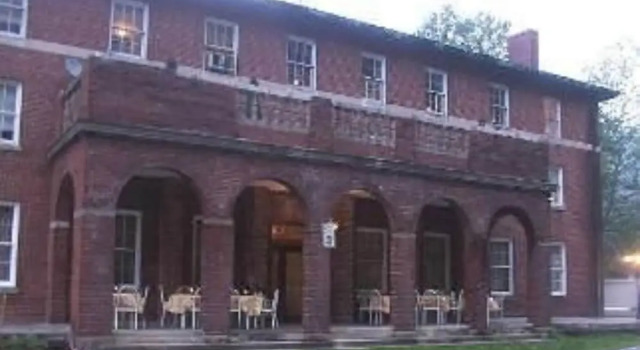
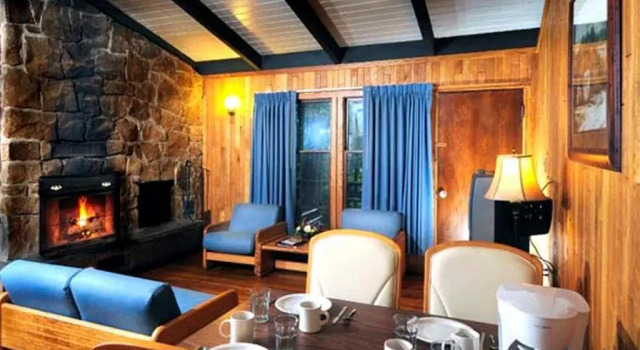
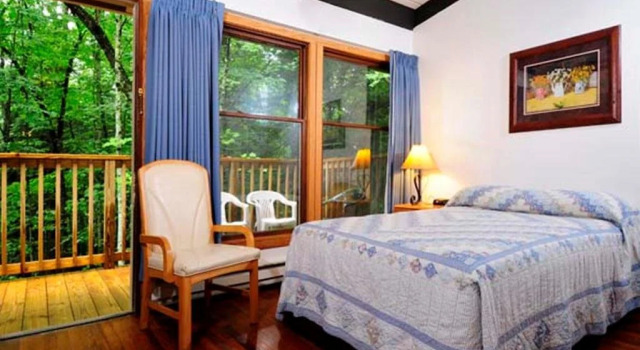
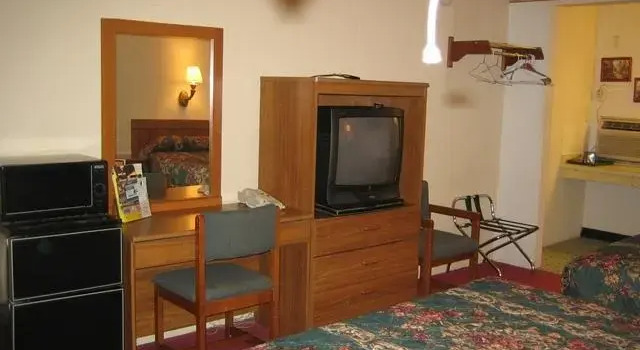
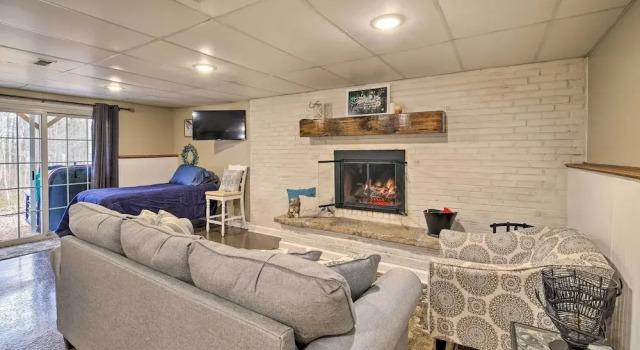
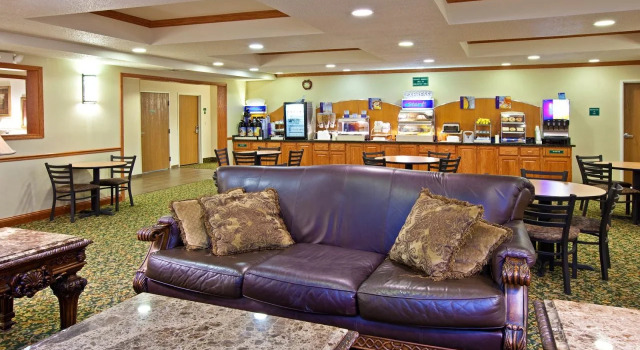
When it comes to accommodation, those aiming to immerse themselves in the natural wonder should consider staying near Mammoth Hot Springs for convenience. Options range from rustic inns and lodges offering a cozy retreat after days of exploration to more modern hotels boasting amenities such as hot tubs and guided tours. Travelers prioritizing comfort and accessibility may lean towards hotels and well-equipped apartments in nearby towns, especially if planning day trips within Yellowstone. Meanwhile, budget-conscious visitors might opt for charming bed-and-breakfasts or campgrounds a short drive away, balancing cost with the desire to wake up close to nature.
The choice of lodging often depends on the purpose of your trip. Families and photographers tend to favor proximity that minimizes daily travel time, while adventurers setting out on multi-day hikes might prioritize accommodations with early check-in or shuttle services. Booking well in advance, particularly for peak summer months, ensures availability and competitive rates, as Mammoth Hot Springs attracts nature lovers and history buffs alike from all over the world.
No matter the season, Mammoth Hot Springs stands as a testament to nature’s artistry and geological power—offering visitors an unforgettable glimpse into the dynamic forces shaping our planet. With thoughtful planning and carefully selected accommodation, your visit here will be as comfortable as it is inspiring.