Nestled in the serene landscape surrounding Úlfljótsvatn, Ljosifoss offers travelers a captivating glimpse into Iceland’s natural artistry. This enchanting waterfall cascades down smooth basalt cliffs, its milky waters reflecting the soft Icelandic light that shifts with the seasons. Unlike some of Iceland’s thunderous waterfalls, Ljosifoss is celebrated for its graceful flow and intimate scale, making it an ideal spot for visitors seeking tranquility away from the crowds. The name “Ljosifoss,” which can be translated as “Light Falls,” speaks to the way sunlight dances on the water, especially during early mornings and late afternoons, enriching the visitor experience with a subtle interplay of luminosity and movement.
The history of Ljosifoss is intertwined with the region’s volcanic past and the glacial forces that shaped Úlfljótsvatn itself. This lake, one of the larger bodies of water in southern Iceland, was formed in the aftermath of volcanic activity combined with glacial meltwaters carving through the land. While the waterfall’s exact age is difficult to pinpoint, its presence has long been noted in local lore, serving as a natural landmark for farmers and fishermen who have worked the surrounding fertile lands for generations. The area around Úlfljótsvatn retains a strong rural character, offering visitors a chance to connect not only with Iceland’s wild nature but also with its enduring cultural heritage.
When planning a visit to Ljosifoss, consider the best time to go for your preferred experience. Summer months from June to August provide long daylight hours and relatively mild weather, which are perfect for hiking and photography. Autumn brings a palette of fiery colors to the foliage, creating stunning contrasts with the water, while winter’s icy grip transforms the falls into a crystalline spectacle, though hiking conditions become more challenging. Spring is quieter and can be ideal for birdwatching around the lake. Regardless of the season, appropriate footwear and layered clothing are advised, as weather can change quickly. There are no entrance fees, and the falls are accessible from marked trails that vary in difficulty, so choose routes according to your fitness level and time constraints. Early arrival or late afternoon visits may enhance your chances of solitude and softer light for pictures.
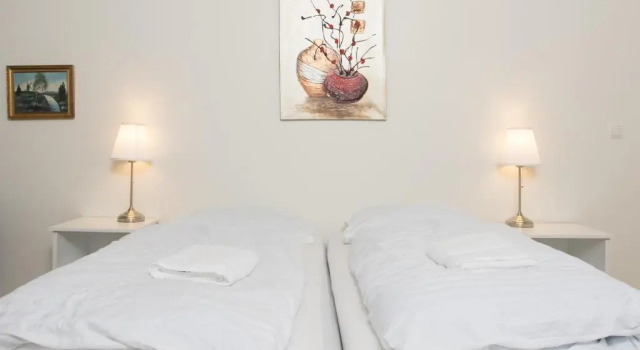
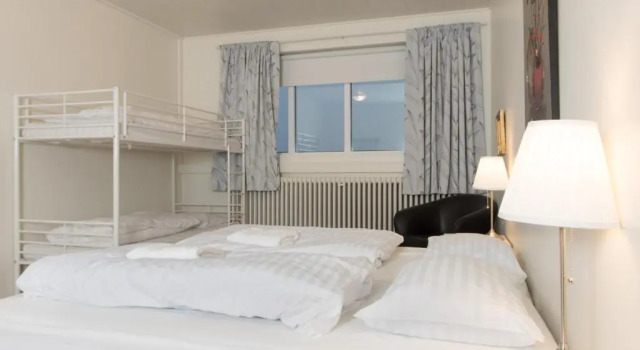
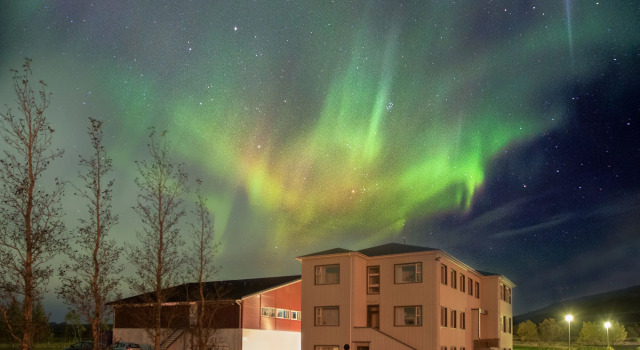
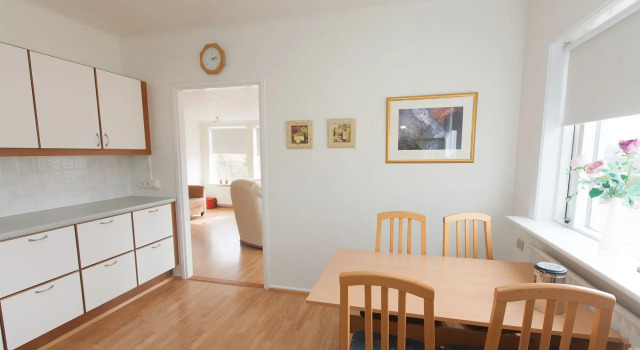
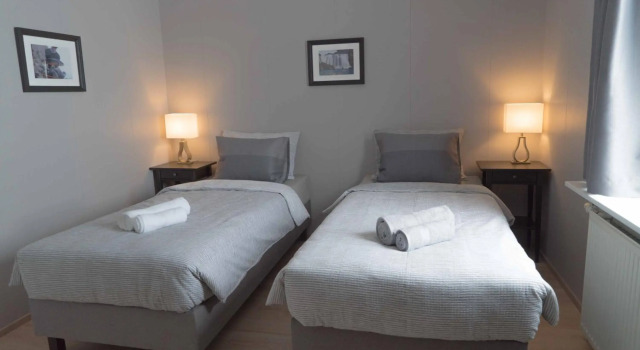
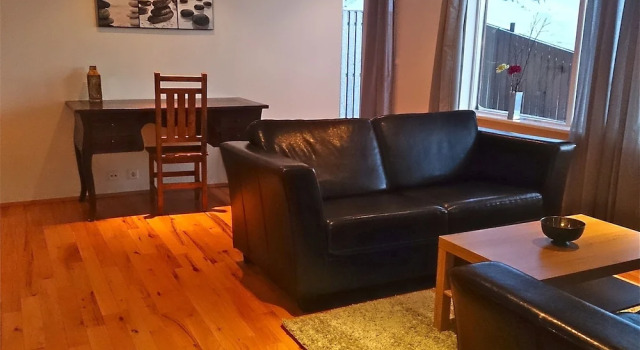
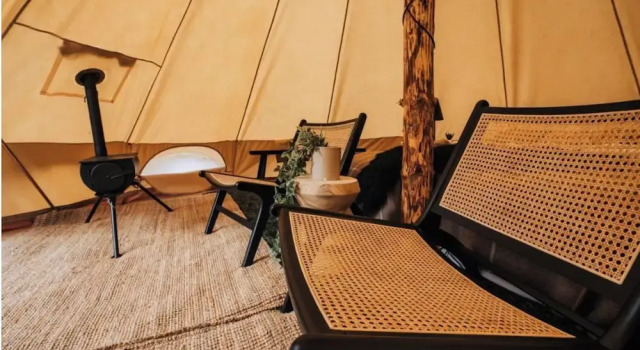
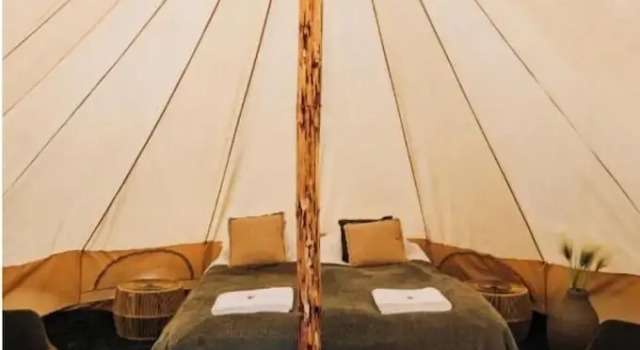
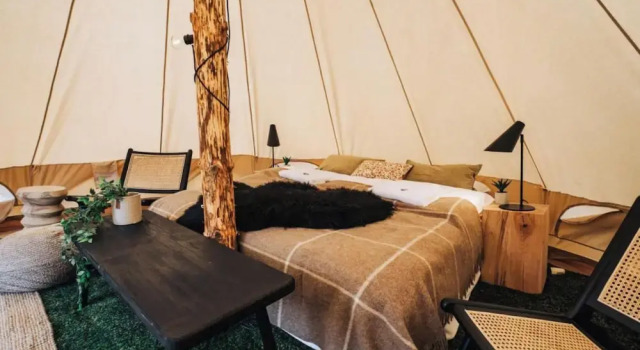
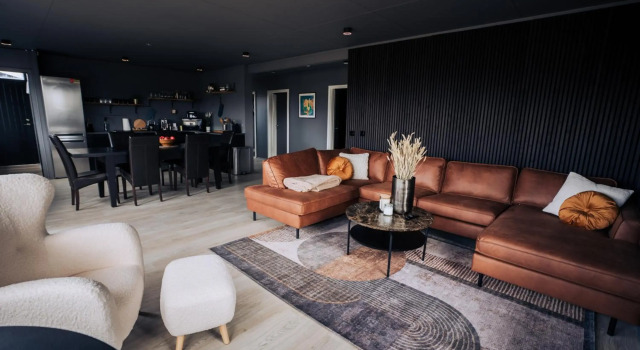
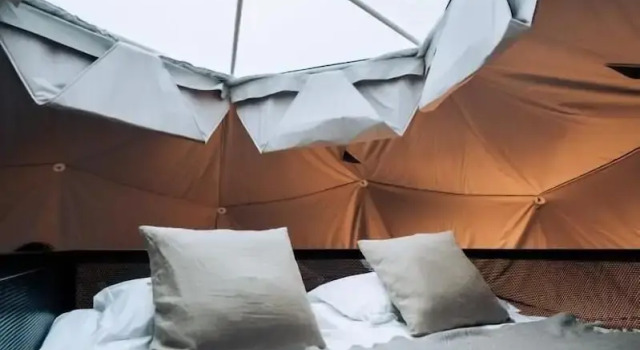
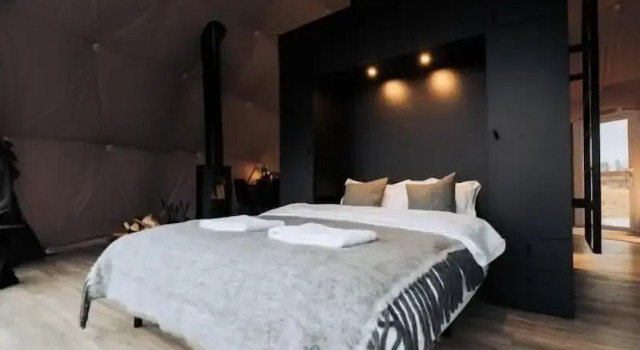
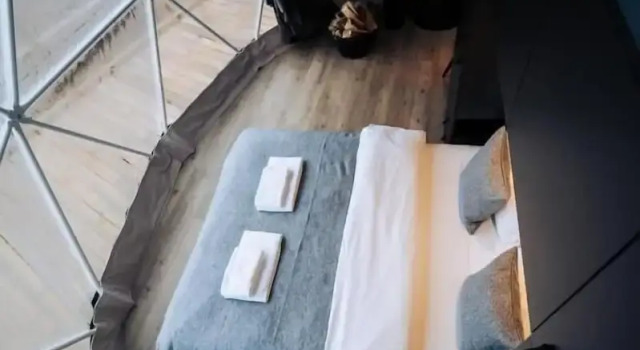
For accommodation, your choice near Ljosifoss depends largely on the nature of your trip. If your goal is to immerse yourself in Icelandic countryside charm, small inns or family-run guesthouses close to Úlfljótsvatn offer personalized service and local insight, often with stunning lake views. These options suit travelers eager to engage with local culture and enjoy home-cooked meals. For those who prioritize outdoor activities such as hiking, fishing, or birdwatching, renting an apartment or self-catering cottage can provide flexibility and privacy, as well as proximity to the trails. Meanwhile, hotels in nearby towns combine convenience with more extensive amenities for visitors balancing exploration of the wider region. Early booking is recommended during tourist high season due to limited accommodation options in this rural area. Whether you are chasing the northern lights or basking in midnight sun, staying near Ljosifoss promises a harmonious experience that connects the senses with Iceland’s poetic natural beauty.