Perched at the southernmost tip of the British mainland, Lizard Point offers travelers a dramatic encounter with nature’s raw beauty. This rugged promontory in Cornwall is renowned for its breathtaking cliff views, where towering granite outcrops plunge sharply into the tumbling Atlantic below. Rich maritime history clings to the surrounding landscape—once home to a bustling fishing community, the area now draws visitors entranced by tales of shipwrecks and coastal navigation. The iconic Lizard Lighthouse, first established in the 18th century and continually guiding vessels through treacherous waters, remains a steadfast sentinel overlooking turbulent seas. This heritage, combined with the region’s unique geology and rare flora, which includes several endemic species, makes Lizard Point not just a scenic destination but a site of ecological and cultural significance.
Planning a visit to Lizard Point requires some practical insight to maximize the experience. The surrounding weather is famously changeable; summers tend to be mild with occasional sea mists, while autumn and winter bring stronger winds and dramatic skies, ideal for photographers seeking dynamic seascapes. Spring and early summer offer mild conditions and blooming wildflowers, perfect for gentle hikes along well-maintained coastal paths. Visitors should wear sturdy footwear, as many trails feature uneven, rocky terrain. Given the area's exposure, packing layered clothing and waterproofs is advisable regardless of season. There are no entrance fees, and access to the cliffs is open year-round, but checking tide schedules and local weather forecasts before setting out is crucial for safety, especially for those keen on exploring coves or rock pools.
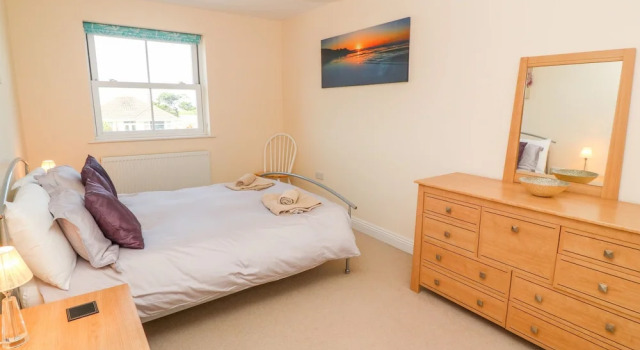
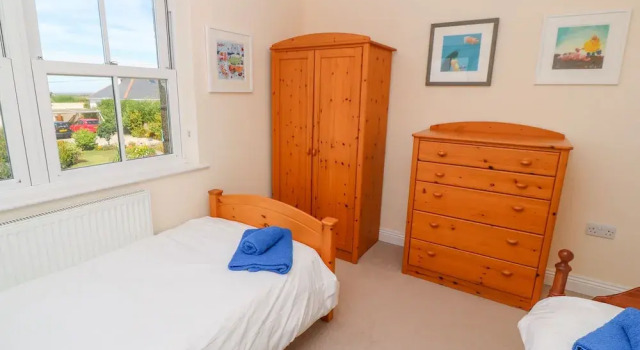
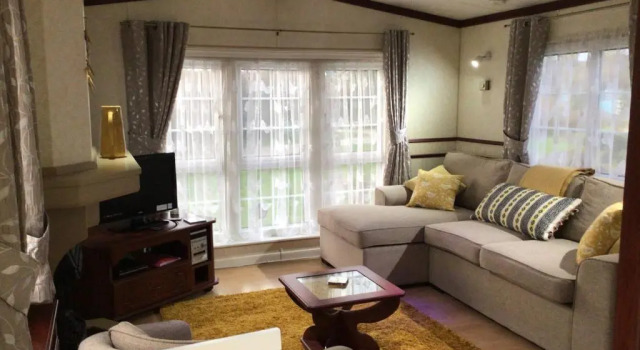
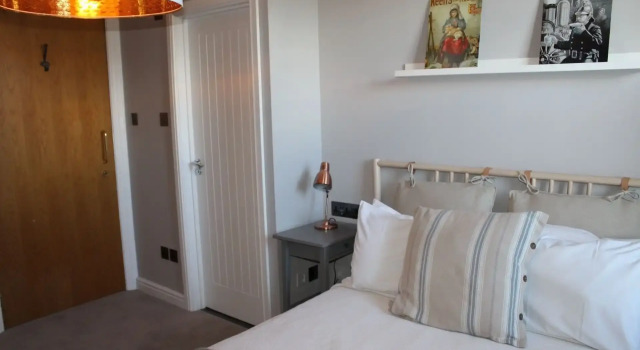
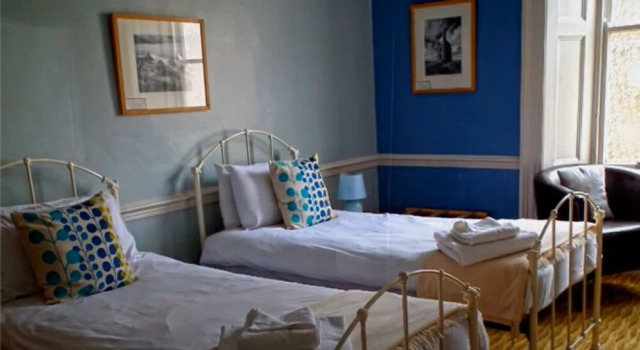
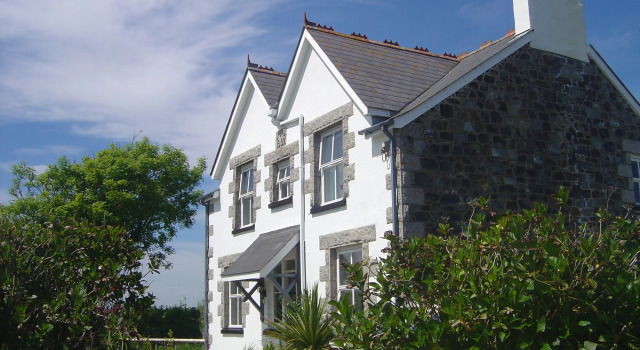
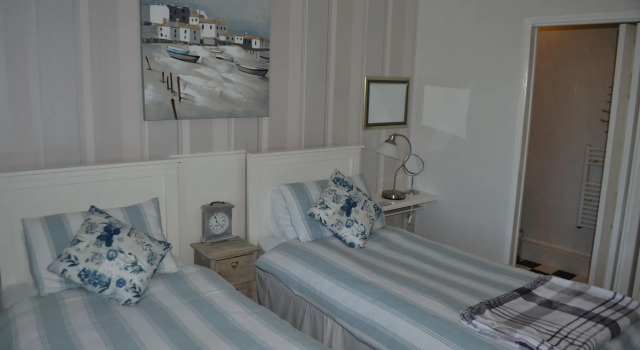
When selecting accommodations near Lizard Point, consider what kind of getaway you envision. For travelers prioritizing proximity, small inns or boutique bed and breakfasts dotted across the nearby village of Lizard provide charming, locally immersive stays often run by families steeped in Cornish tradition. These options tend to be ideal for those seeking quiet evenings after days spent exploring or photographing the coastline. For families or those wanting a more independent base, self-catering cottages and apartments a few miles inland offer spacious layouts and kitchens, perfect for longer stays or visiting multiple nearby attractions. Meanwhile, visitors who prefer modern comforts alongside rural charm should look for boutique hotels in the slightly larger towns within easy driving distance, where amenities and dining choices expand. Regardless of accommodation type, booking well in advance is recommended during peak summer months when the area’s popularity surges among hikers, nature enthusiasts, and history buffs alike. Taking time to align your hotel choice with your desired activities ensures a seamless and enriching experience at this remarkable corner of England.