Nestled near the charming village of Montignac in southwestern France, the Lascaux caves offer a breathtaking window into prehistoric art and human creativity. Discovered in 1940, these caves house some of the most significant Paleolithic cave paintings ever found, dating back approximately 17,000 years. The intricate depictions of bulls, horses, deer, and enigmatic symbols reveal the skill and cultural depth of the Ice Age inhabitants, making Lascaux a must-see for history enthusiasts and curious travelers alike.
Unfortunately, to protect the delicate artwork from deterioration, the original Lascaux cave has been closed to the public since 1963. However, visitors can explore Lascaux IV, a meticulously crafted modern replica located a few kilometers from Montignac. This full-scale reproduction includes immersive multimedia presentations, offering a vivid experience of the cave’s interior and its stunning murals while preserving the integrity of the ancient site. Guided tours are highly recommended as they enrich the visit with detailed insight into the history, art techniques, and archaeological significance.
When planning your visit, consider that Lascaux IV is open year-round, but it can get busy during peak holiday seasons, especially in summer. Early morning or late afternoon tours tend to be less crowded, providing a more intimate atmosphere. The site is well equipped for families, with workshops and educational programs tailored for younger visitors. Booking tickets online in advance is wise, particularly if visiting during the warmer months or school holidays, to secure your preferred time slot.
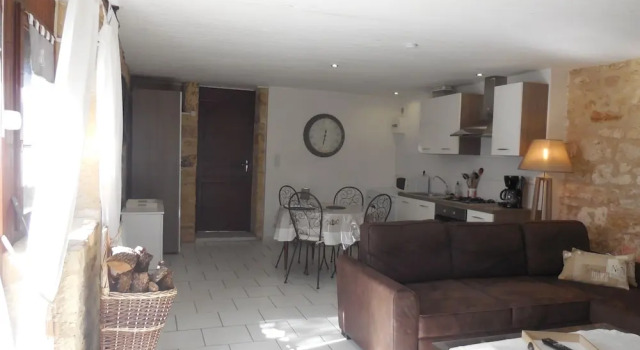
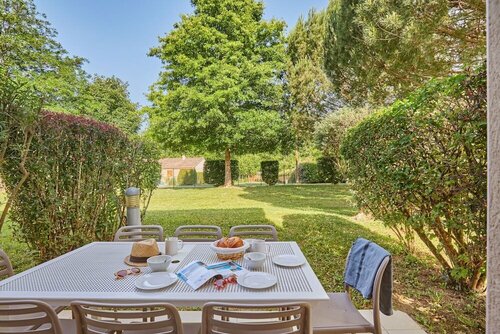
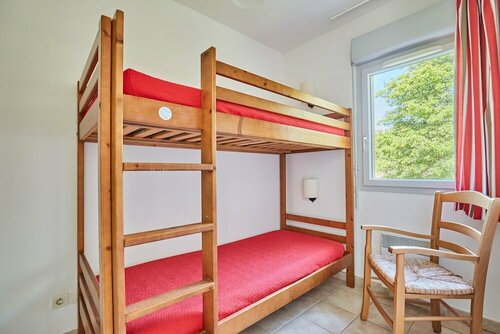
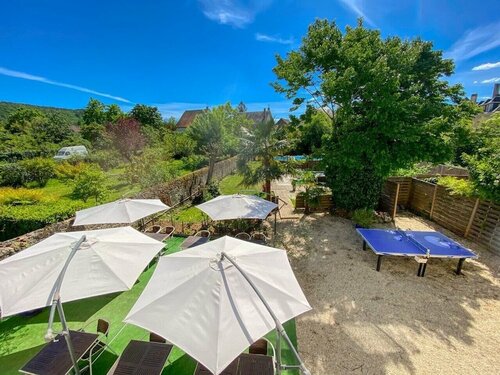
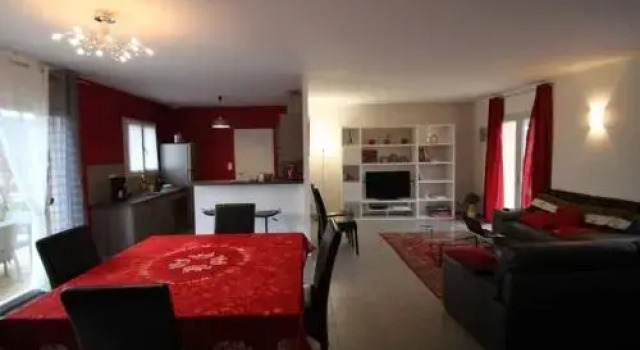
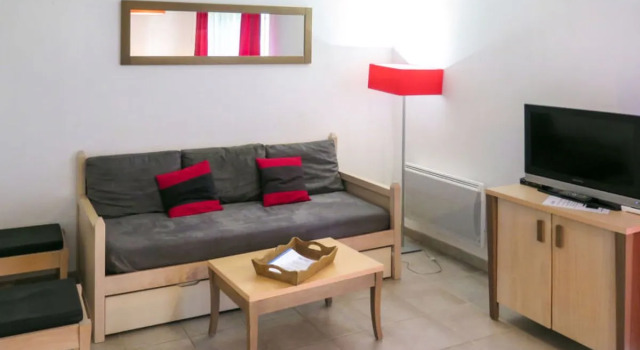
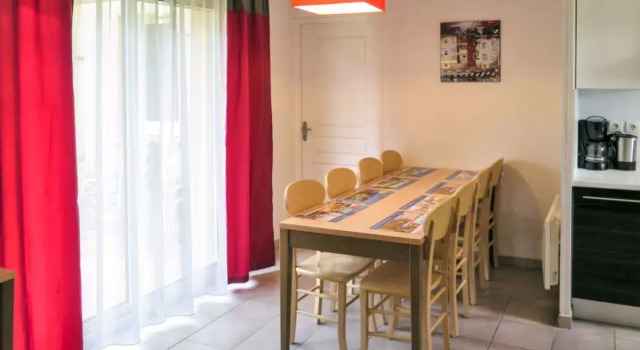
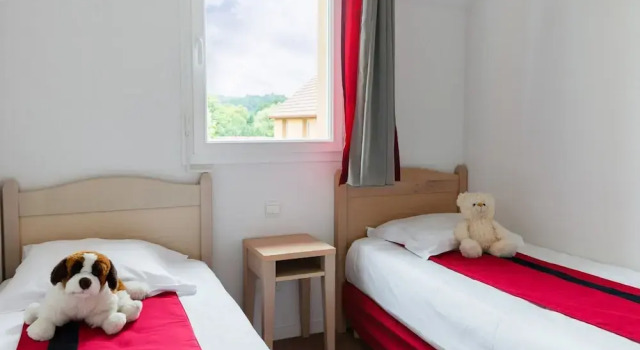
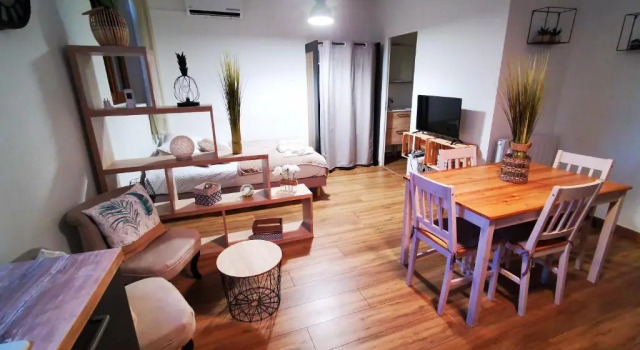
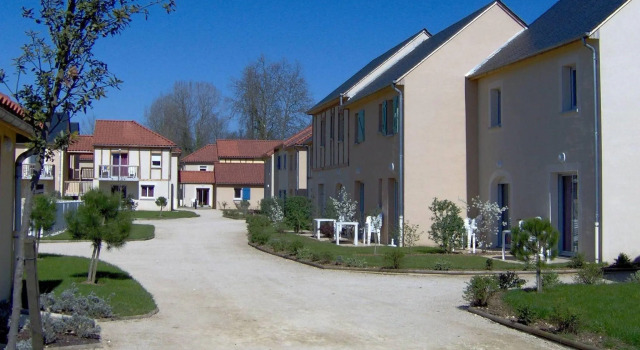
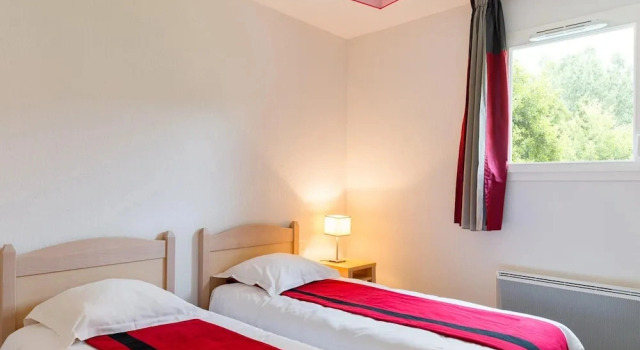
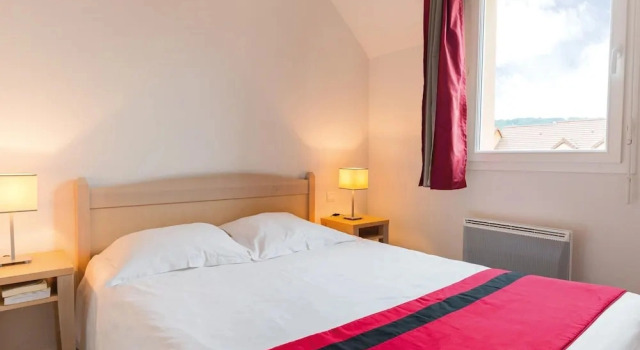
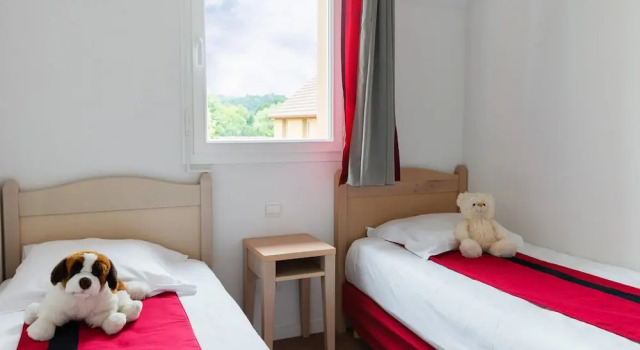
The surrounding Dordogne region offers a variety of accommodations tailored to different traveler needs. For those seeking convenience and comfort, Montignac itself hosts a range of charming hotels and guesthouses within easy reach of Lascaux. These options are perfect for travelers who want a relaxing base with local restaurants and shops nearby. If your trip focuses on nature immersion and tranquility, consider staying in countryside inns or rural gîtes a bit further afield, nestled among the rolling hills and vineyards that define the Dordogne landscape. For longer stays or family groups, renting an apartment or cottage can provide greater flexibility and a taste of local living.