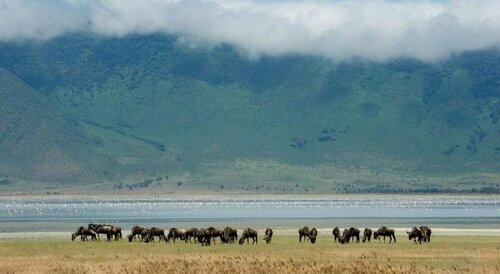
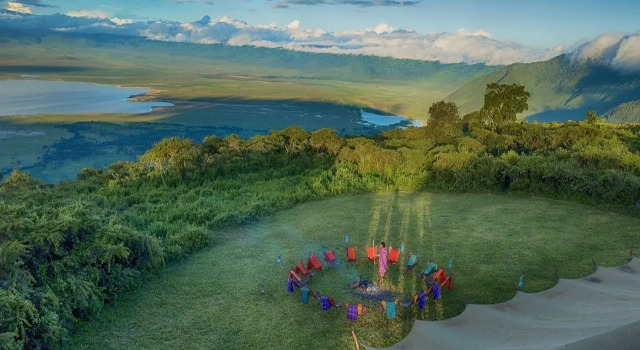
Nestled within the vast Ngorongoro Conservation Area in northern Tanzania, Lake Magadi offers a striking and unusual landscape that captivates visitors with its shimmering salt flats and vibrant birdlife. Unlike the larger and more famous lakes in the region, Lake Magadi is a shallow, alkaline lake whose waters are rich in minerals, giving it a distinctive turquoise hue that contrasts starkly with the surrounding savannah and volcanic highlands.
Historically, Lake Magadi has been an important resource for both wildlife and local Maasai communities. The lake’s mineral-rich deposits have been harvested for salt, a practice that continues today on a small scale, adding a cultural dimension to the natural beauty. Over centuries, this soda lake, formed in a volcanic crater, has shaped the ecosystem around it, attracting flamingos and other water birds whose elegant pink flocks offer stunning photo opportunities. The lake is part of the larger Ngorongoro Highlands, an area protected for its geological, ecological, and anthropological significance.
Planning your visit to Lake Magadi should consider the unique climatic patterns of the Ngorongoro region. The dry season, from June to October, is generally the best time for clear skies, easier wildlife spotting, and comfortable travel conditions. However, the wet season between November and May, while bringing sporadic rains, also transforms the area into a lush, green haven, ideal for enthusiasts of lush landscapes and thriving flora. Travelers should consult local guides or lodgings about recent weather patterns to optimize their experience, especially since access roads can be affected by rains.
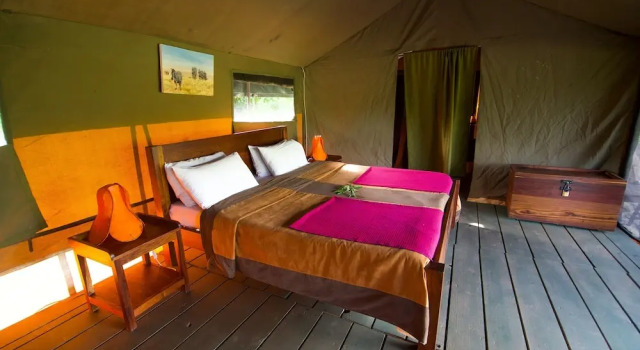
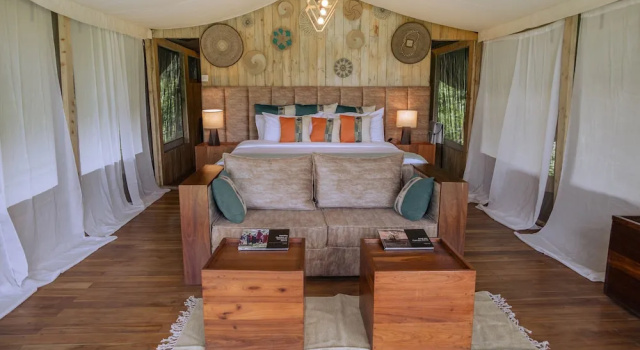
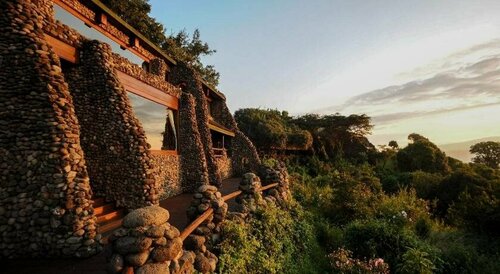
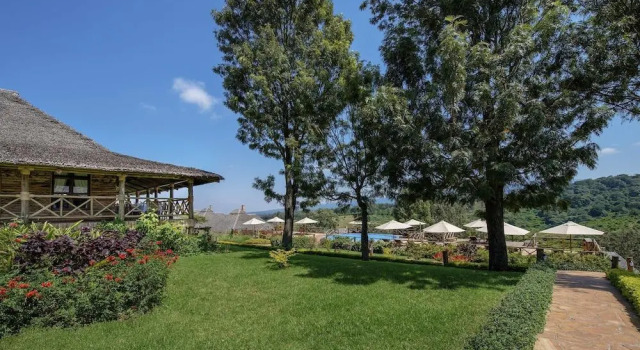
Accommodation near Lake Magadi varies to suit different preferences and trip goals. For families or travelers seeking comfort and convenience, lodges around the Ngorongoro Crater rim provide upscale amenities combined with spectacular views and direct access to safari excursions. Those on a budget or seeking a more immersive cultural encounter might opt for locally run inns or campsites closer to Lake Magadi itself, where dawn wakes you to bird songs and expansive horizons. For photographers and adventure travelers, staying near the lake offers unmatched proximity to wildlife and geological wonders but often means simpler facilities.
When selecting a place to stay, consider your primary interests—whether it is wildlife photography, cultural immersion, or relaxed nature retreats—as the facilities vary widely. Booking in advance, especially during peak seasons, is highly recommended due to the conservation area’s popularity. Many lodgings offer guided tours to Lake Magadi and surrounding sites, ensuring visitors make the most of their trip through expert knowledge and safe travel logistics.
With its ethereal beauty, rich natural history, and tranquil setting, Lake Magadi invites travelers to explore a less trodden but immensely rewarding corner of Tanzania’s wilderness. The interplay of nature, culture, and geology here makes it a destination well worth incorporating into any East African itinerary.