Nestled on the lush southeastern coast of Zanzibar, Jozani Chwaka Bay National Park offers a rare glimpse into the island’s unique biodiversity and vibrant ecosystems. This protected sanctuary is best known for its population of Zanzibar red colobus monkeys, an endangered species found only here. Spanning over 50 square kilometers, the park comprises tropical forest, mangrove swamps, and salt marshes, creating a mosaic of habitats that support an array of birdlife, rare plant species, and intricate tidal systems. Established in 1995, the park represents a vital conservation effort to preserve Zanzibar’s natural heritage amid increasing development pressures.
Visitors to Jozani Chwaka Bay National Park can explore its well-maintained trails, including the popular boardwalk through lush mangroves, where tidal influences shape both flora and fauna. Guided tours are highly recommended, not only to increase chances of spotting the elusive monkeys but also to deepen understanding of the park’s ecology and conservation stories. When planning your visit, early morning hours offer cooler temperatures and more active wildlife. The dry season, typically from June to October, is ideal for trekking and wildlife spotting, whereas the rainy season from March to May may limit access to some trails but also enhances the vibrant greenery and breeding activity in the forest.
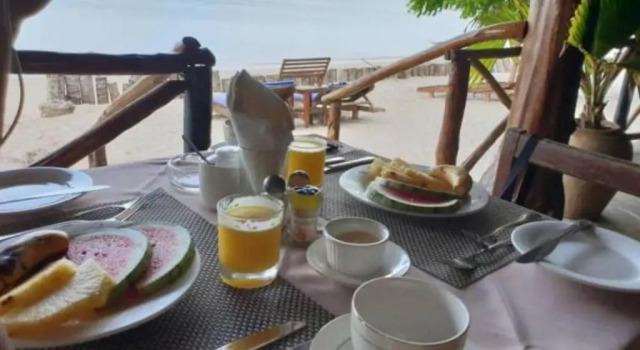
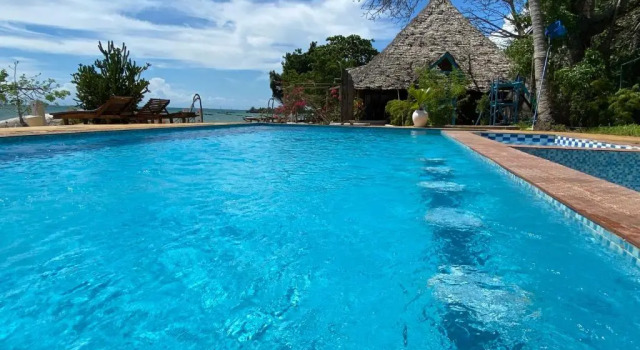
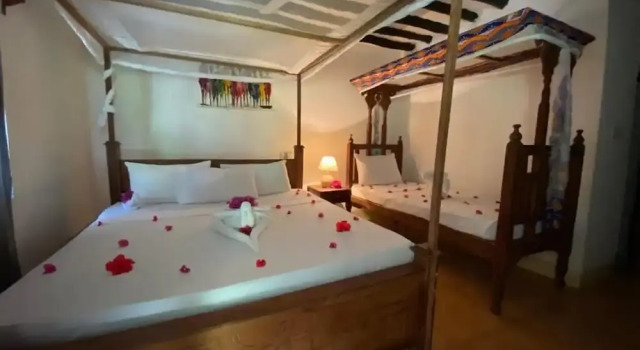
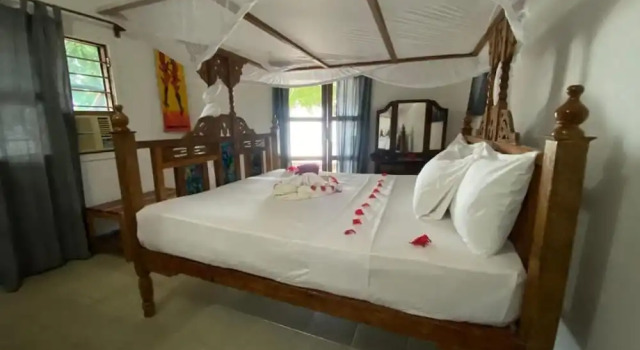
For accommodation, travelers often choose to stay in or around Paje, a charming coastal village roughly 20 kilometers from the park entrance. Paje’s appeal lies in its balance of tranquility and accessibility—ideal for those wanting to explore Jozani Chwaka Bay National Park while enjoying the laid-back atmosphere of the beach. Lodgings range from eco-friendly boutique hotels and beachfront villas to cozy guesthouses, catering to different budgets and travel styles. If your trip centers on nature and wildlife, selecting accommodations closer to the park reduces travel time and allows for early starts. Conversely, if relaxation, watersports, or cultural immersion are priorities, opting for a stylish resort or apartment along Paje’s shores provides easy access to kitesurfing, local eateries, and artisan markets.
When choosing where to stay, consider not only proximity to the park but also the goals of your journey. Family travelers may prefer accommodations offering guided trips and educational experiences about local flora and fauna. Meanwhile, solo travelers and adventure seekers might opt for hostels or smaller inns with opportunities to connect with other explorers and local guides. Whichever option you select, planning ahead is crucial, especially during peak travel months (July-August and December-January), when the island’s serene beauty attracts nature lovers and beachgoers alike, filling accommodations quickly.
Visiting Jozani Chwaka Bay National Park from your convenient Paje base provides an immersive experience, combining Zanzibar’s natural wonders with the warmth of local culture and seaside charm. Whether you’re trekking through ancient forests or unwinding on powdery beaches, thoughtful planning ensures your trip to this extraordinary destination is as smooth as it is unforgettable.