Nestled in the heart of Zanzibar Island, not far from the bustling hub of Zanzibar City, Jozani Forest stands as a verdant sanctuary teeming with biodiversity and cultural significance. Officially known as Jozani Chwaka Bay National Park, this 50-square-kilometer forest reserve is the island’s only national park, celebrated for its lush tropical vegetation and status as the last remaining indigenous forest on Zanzibar. The forest’s history is deeply intertwined with Zanzibar’s ecological and cultural heritage, having been preserved to protect the unique flora and fauna, notably the endemic Zanzibar red colobus monkey, a species found nowhere else in the world.
Jozani Forest’s canopy shelters a spectacular variety of wildlife, including over 40 species of birds, squirrels, and butterflies, alongside rare primates. Walking through shaded pathways, visitors can experience a sensory immersion in swaying mangroves, dense mahogany groves, and vibrant forest plants. The forest is also a fascinating site for those interested in ethnobotany; local guides often share insights about native plants’ traditional uses in medicine and cuisine, enriching the visit with a cultural narrative that complements the natural beauty.
Planning a visit to Jozani Forest is straightforward but benefits from some timing considerations. The best time to explore the area is during the dry seasons, from June to October and December to February, when trails are easier to navigate and wildlife spotting is at its peak. Early morning or late afternoon visits typically offer more active wildlife encounters and more comfortable temperatures, as midday heat can be intense. Guided tours are highly recommended—not only to spot shy primates but also to support local conservation efforts and enrich your understanding of the ecosystem through expert commentary.
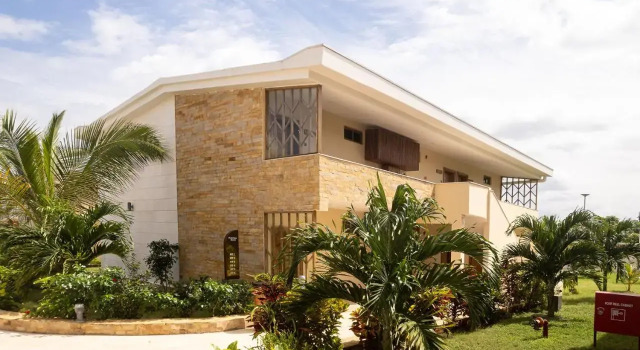
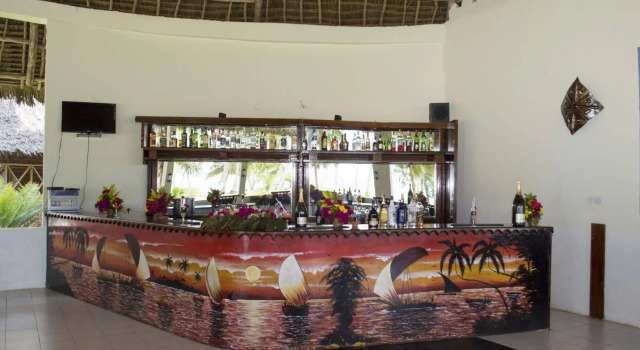
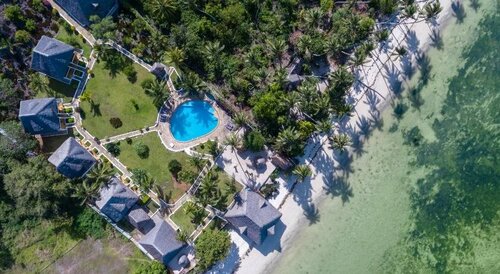
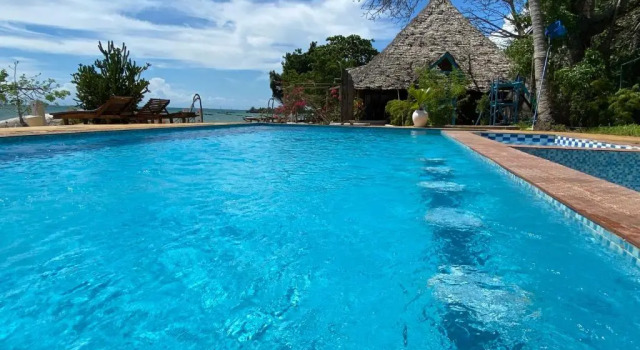
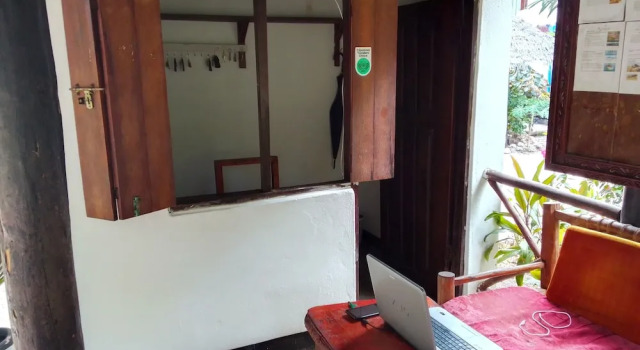
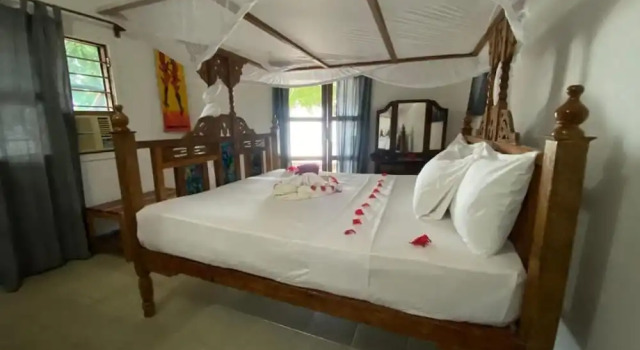
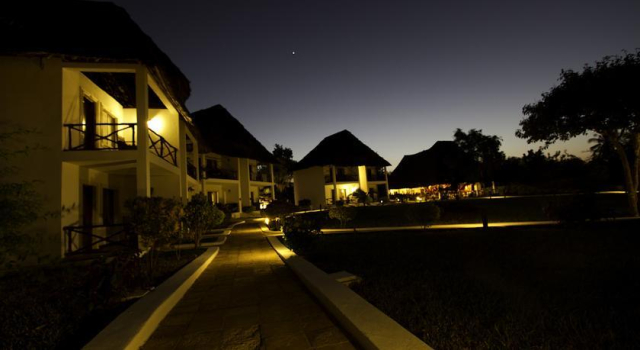
Accommodation options near Jozani Forest cater to diverse traveler needs, making it effortless to find a comfortable base. For those prioritizing convenience and broader amenities, boutique hotels and well-established lodges within a short drive of the park provide luxury and ease of access, ideal for relaxed stays or families. Travelers keen on cultural immersion or environmental sustainability may prefer eco-lodges or guesthouses situated closer to the forest edge, offering unique opportunities to engage with local communities and conservation projects. Alternatively, self-catering apartments or smaller inns in nearby villages can appeal to budget-conscious visitors or longer-term travelers who appreciate a quieter, homelier atmosphere.
When booking lodging, consider your trip’s purpose: if wildlife photography or nature walks are the focus, accommodation closer to Jozani will maximize your experience. For combining beach relaxation with forest exploration, Zanzibar City’s coastal hotels offer a practical compromise, blending urban convenience with quick access to natural attractions. Whichever option you choose, staying near Jozani Forest promises an unforgettable gateway to the island’s richest natural treasure, setting the stage for an adventurous and insightful Zanzibar journey.