Jotunheimen, often hailed as the "Home of the Giants," is a majestic mountain range located near Vaga in Norway, renowned for its dramatic peaks, serene valleys, and glistening glaciers. This rugged landscape boasts some of Northern Europe’s highest summits, including Galdhøpiggen and Glittertind, making it a magnet for adventurers and nature lovers alike. The name Jotunheimen derives from Norse mythology, translating to “the realm of the giants,” reflecting the imposing scale of these natural monuments.
The history of Jotunheimen is deeply embedded in both geological and cultural narratives. Formed over millions of years through intense glacial and tectonic activity, the terrain offers a diverse tapestry of jagged cliffs, sprawling alpine plateaus, and crystal-clear lakes. Historically, this area has been a crucial passage for local Sami herders and Norwegian mountain farmers, and it continues to inspire a strong connection to traditional livelihoods alongside modern outdoor pursuits. In recent years, Jotunheimen has become a well-established UNESCO protected area that balances conservation with sustainable tourism.
Visitors to Jotunheimen should consider several nuances when planning their trip. Seasonal variation dramatically influences accessibility and experience. The summer months from June to September provide optimal hiking conditions with mild weather, longer daylight hours, and flourishing flora. Winter transforms the park into a snowy wonderland, ideal for cross-country skiing and snowshoeing, though it requires specialized gear and experience due to icy paths and low temperatures. It is advisable to check local weather reports and trail conditions regularly, especially in shoulder seasons when sudden weather shifts are common.
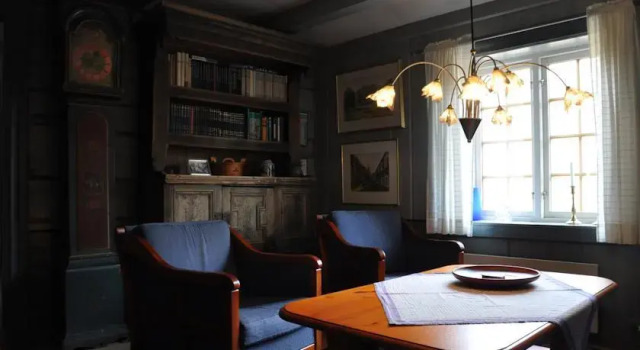
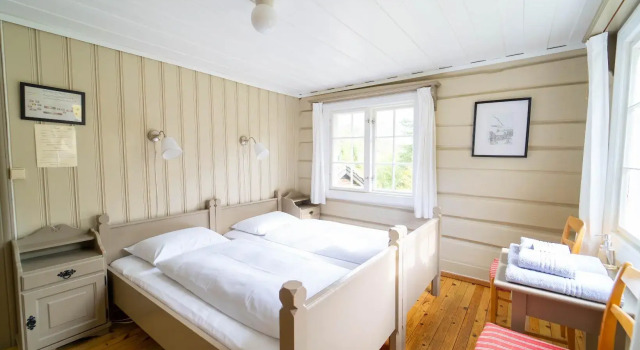
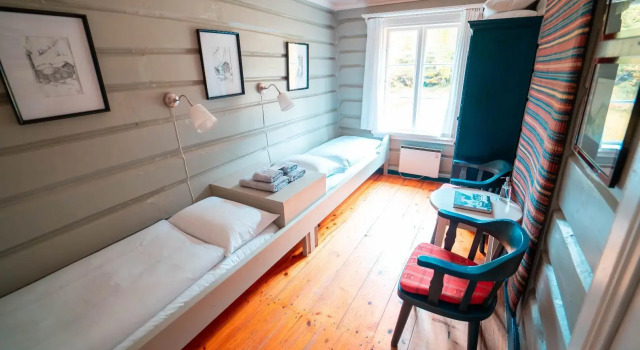
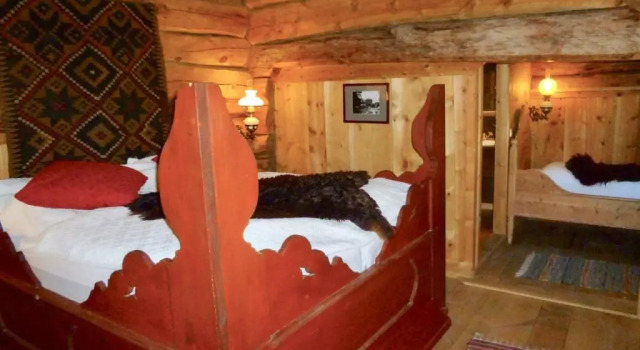
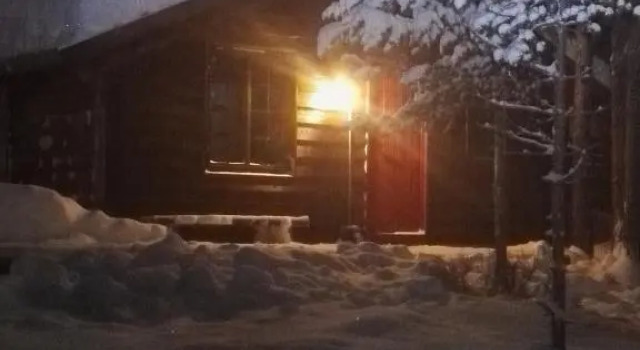
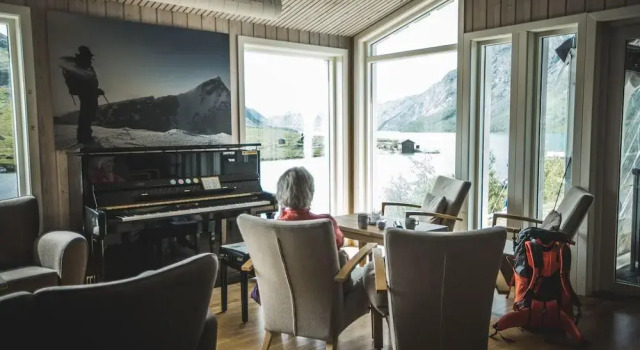
Planning accommodations near Jotunheimen depends largely on the traveler’s focus. Those looking for immersive nature experiences often choose cozy mountain lodges or rustic cabins, which offer proximity to trailheads and breathtaking views. These options provide authentic encounters with the wilderness and often feature communal spaces that encourage interaction among hikers. For visitors preferring convenience or a touch of urban comfort, inns and guesthouses in nearby villages like Vaga provide well-appointed rooms and easier access to local amenities such as restaurants, guided tours, and transportation hubs. Travelers with families or longer stays might find self-catering apartments advantageous, offering flexibility and the option to prepare their own meals after a day of exploration.
When selecting where to stay, consider the trip’s purpose: for the serious mountaineer aiming for early starts and direct access to climbing routes, lodges within the national park are ideal. Casual tourists seeking cultural experiences and local hospitality may prefer accommodations in Vaga or surrounding areas, where proximity to shops and museums complements daytime excursions. Regardless of preference, early booking is recommended during peak seasons, as demand rises sharply with the growth of interest in Jotunheimen’s unique blend of natural grandeur and historic charm.