Nestled in the lush landscapes of Seogwipo on Jeju Island, Hueree Natural Park stands as a verdant sanctuary where nature and culture intertwine seamlessly. Originally established as a botanical garden in the late 20th century, the park has evolved into a sprawling enclave that showcases the rich biodiversity of Jeju’s subtropical ecosystem. Visitors strolling through the park’s carefully curated trails encounter an impressive variety of flora, including rare native plants and vibrant seasonal blooms, all set against the backdrop of the island’s distinctive volcanic terrain. The park’s development reflects Jeju’s ongoing commitment to environmental preservation and offers insight into the island’s unique ecological heritage.
A visit to Hueree Natural Park is best planned around seasonal highlights. Spring brings an abundance of cherry blossoms and azaleas, transforming the park into a floral wonderland, while autumn offers a palette of fiery reds and golden ginkgo leaves, perfect for photographers and nature lovers alike. The park is open year-round, but visiting during the milder months from March to May or September to November ensures comfortable weather and a more tranquil experience. Early mornings or late afternoons provide soft natural light and fewer crowds, making these ideal times to explore the winding paths, butterfly gardens, and specially designed observation decks.
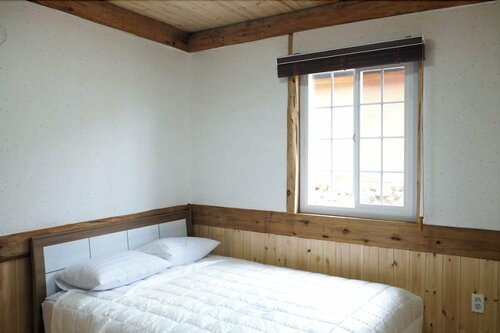
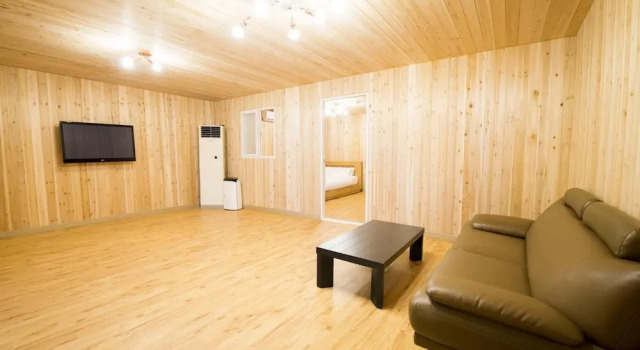
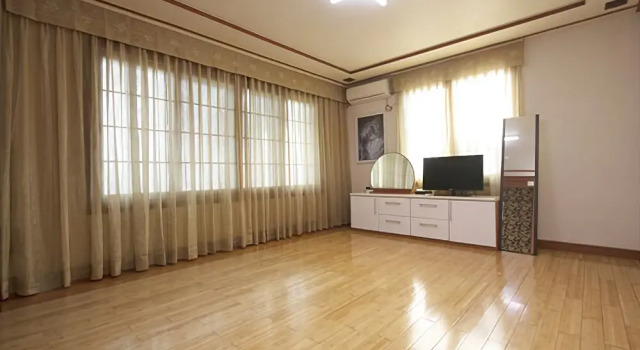
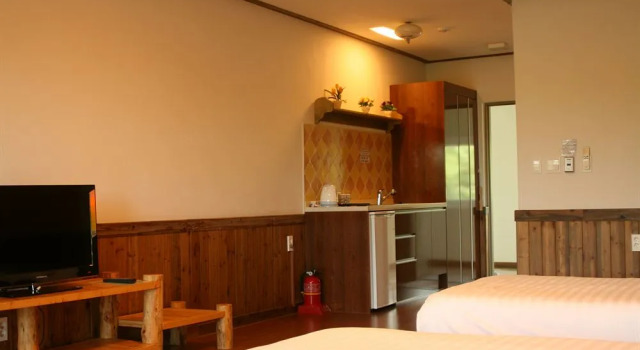
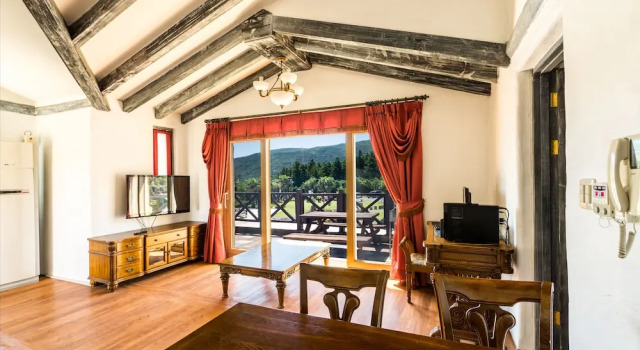
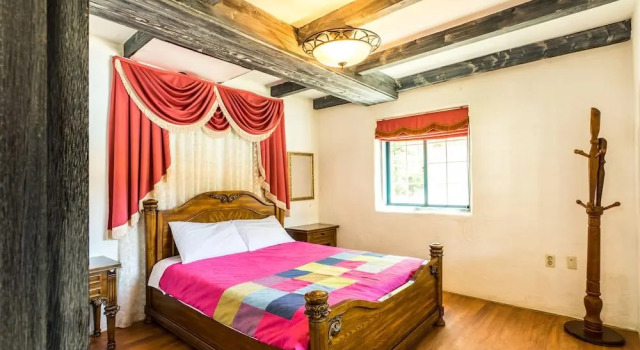
For travelers eager to immerse themselves fully, accommodations near Hueree Natural Park offer various options tailored to different trip purposes. Those seeking restful retreats often opt for boutique guesthouses or traditional hanok inns tucked into the nearby hills, providing a serene atmosphere and authentic local charm. Families or groups may prefer spacious apartments or vacation rentals in central Seogwipo, offering convenient access to both the park and vibrant city amenities. Adventure seekers or eco-tourists might choose hotels closer to coastal trails or hiking routes to complement their outdoor itinerary. Regardless of preference, selecting a place with easy transport connections ensures seamless movement between the park and the wider attractions of Jeju.
Travelers should also consider proximity to local markets and dining spots if culinary exploration is part of their plan. Staying near Seogwipo’s bustling downtown area enhances the opportunity to taste Jeju’s famous seafood and traditional fare after a day in the park. Meanwhile, accommodations positioned closer to nature emphasize tranquility and scenic views, ideal for reflection and leisurely mornings. Balancing these factors—comfort, access, and atmosphere—helps visitors craft a personalized and enriching stay that highlights every nuance of the unforgettable experience at Hueree Natural Park.