Nestled in the serene mountainous landscapes of Cubillas de Arbas, Hoya Cueto Negro offers travelers a unique blend of natural beauty and historical intrigue. This hidden gem, part of the Cantabrian mountain range in northern Spain, is a karstic depression whose name—“Hoya” meaning hollow—reflects its distinctive geological formation. Over millennia, erosion sculpted the doline into a bowl-like hollow, surrounded by lush forests and craggy peaks that provide a dramatic backdrop for outdoor enthusiasts and history buffs alike.
Historically, the area around Hoya Cueto Negro has been cherished by local shepherds and villagers, who used the fertile basin for seasonal grazing. Traces of ancient pathways and modest stone structures hint at its pastoral past, forging a connection between natural wonder and human legacy. The region’s flora and fauna are well-preserved, offering a biodiversity hotspot perfect for nature lovers interested in botany or birdwatching.
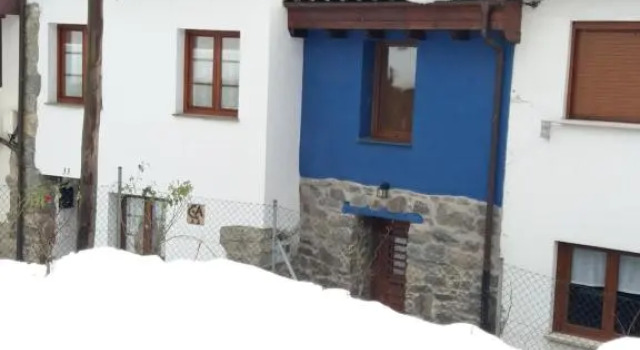
When planning a visit to Hoya Cueto Negro, it’s best to consider the seasons carefully. Spring and early summer are ideal for witnessing a vibrant awakening of wildflowers and for milder hiking conditions. Autumn paints the landscape in warm hues of gold and red, perfect for photography and peaceful escapes. Winter, although quieter and less accessible due to snow, offers a stark, pristine beauty for those prepared for colder weather and capable of winter trekking.
Access to Hoya Cueto Negro typically requires a short hike from the nearest village, Cubillas de Arbas, where parking is limited but manageable early in the day. The trails are moderate and family-friendly, though suitable footwear and water supplies are essential year-round. Visitors aiming to explore the broader region may combine a visit with excursions to nearby natural parks or historical towns, making Cubillas de Arbas an excellent strategic base.
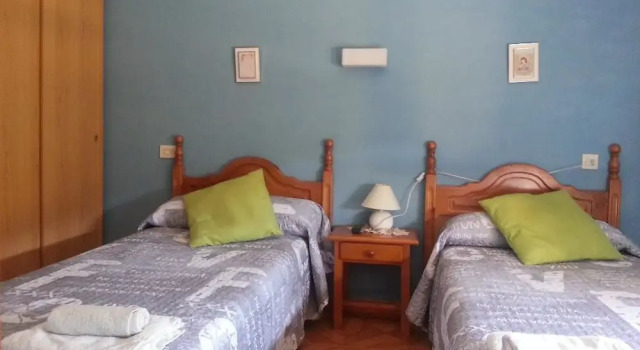
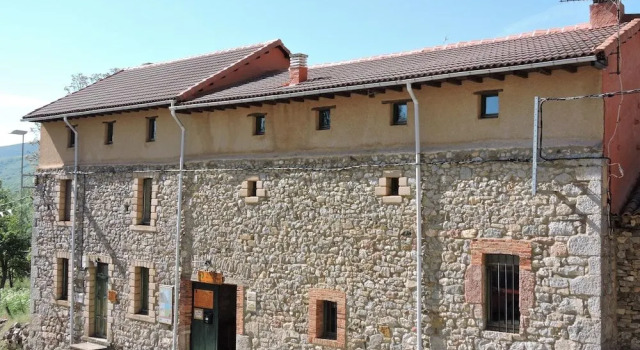
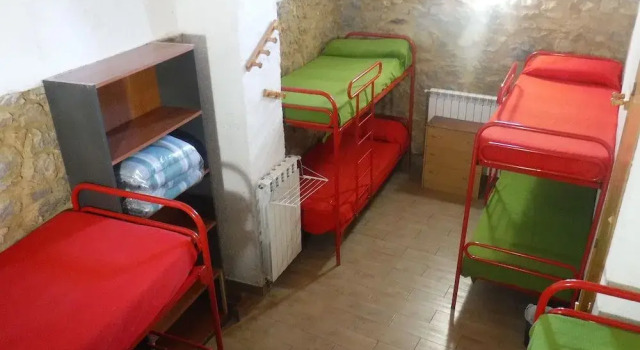
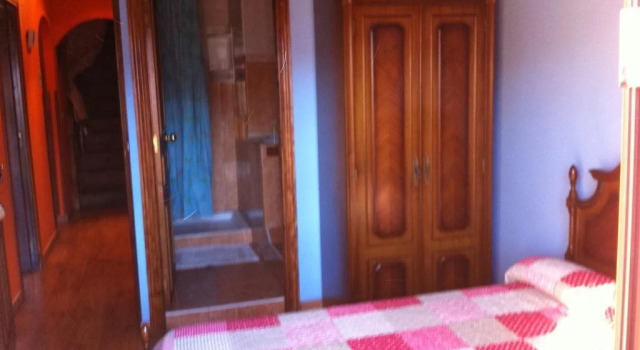
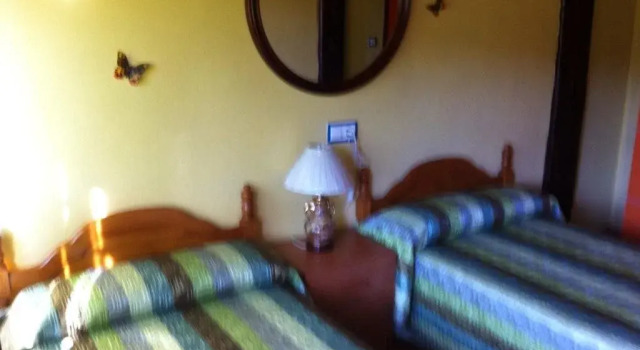
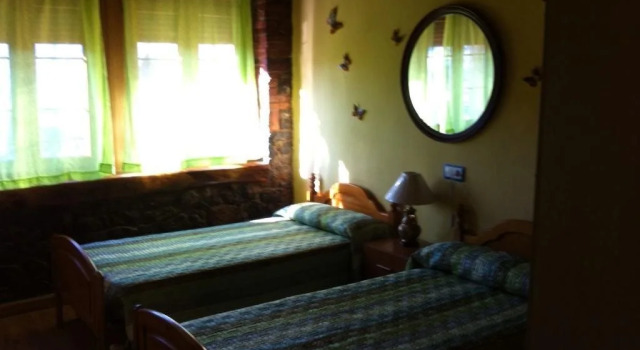
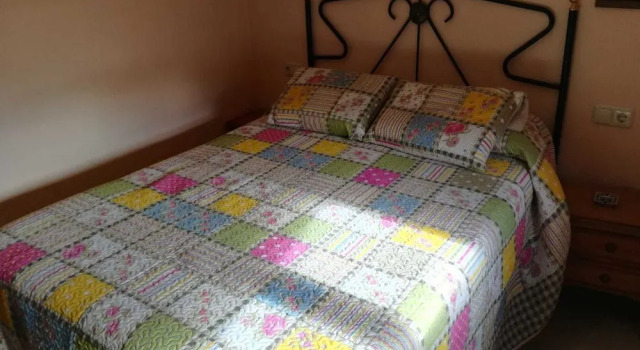
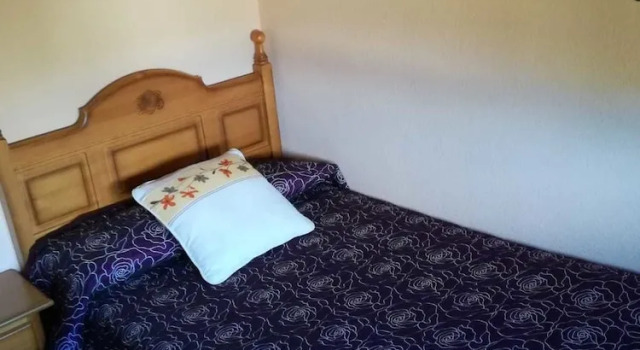
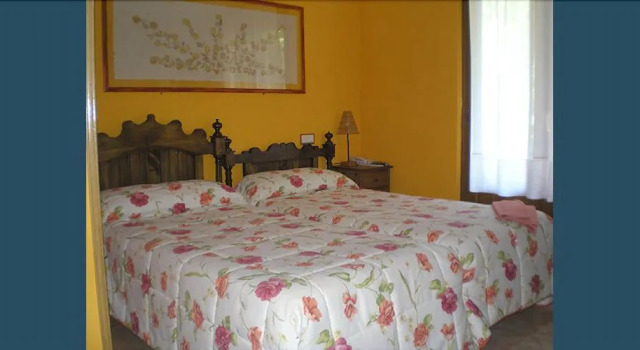
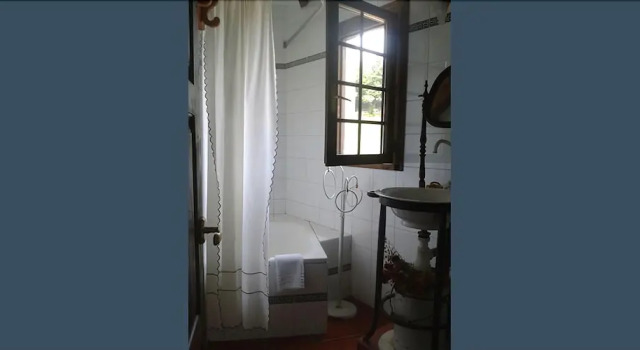
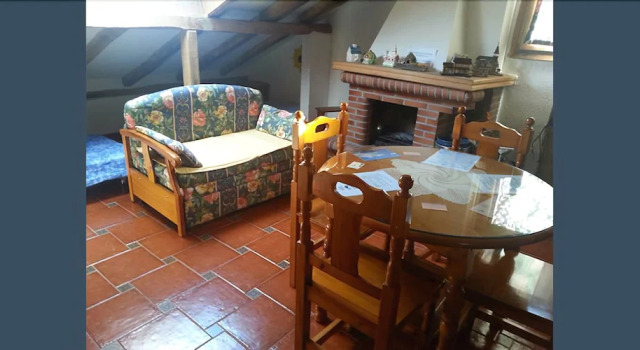
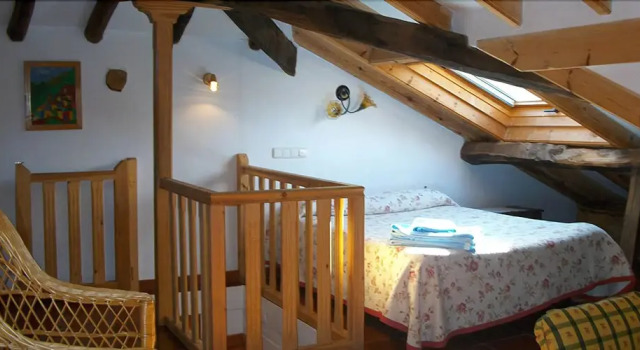
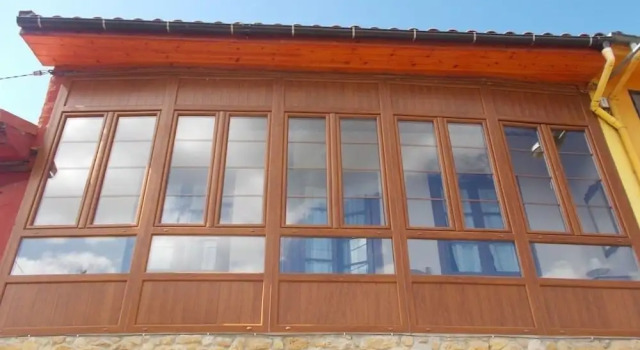
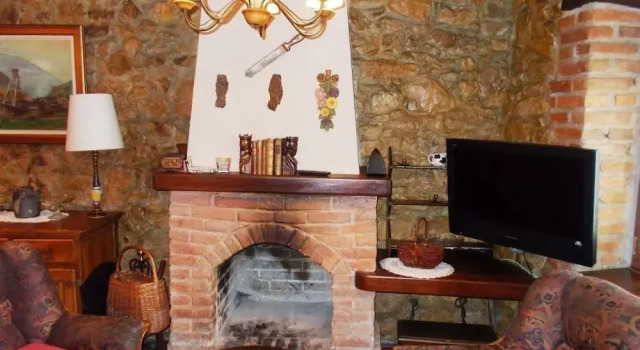
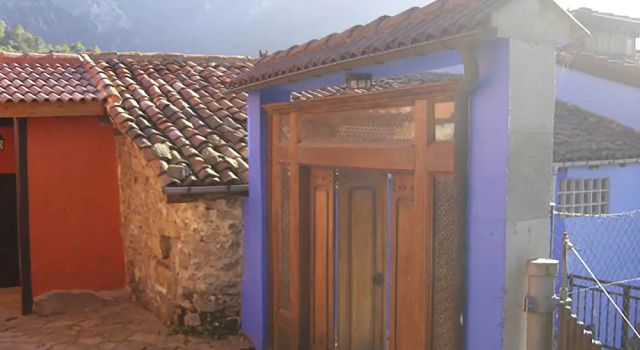
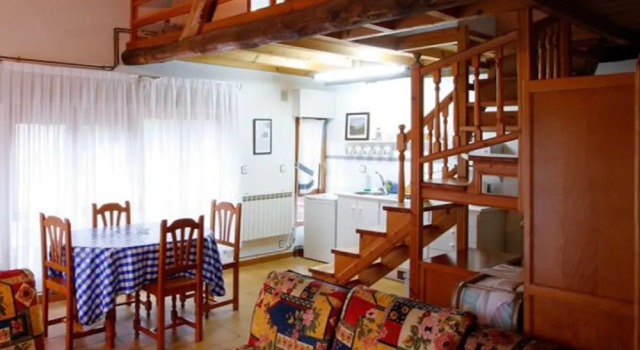
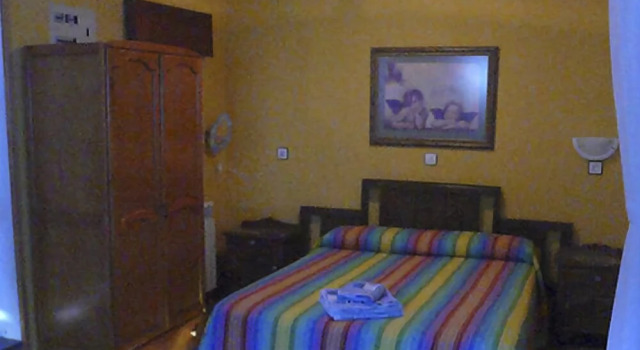
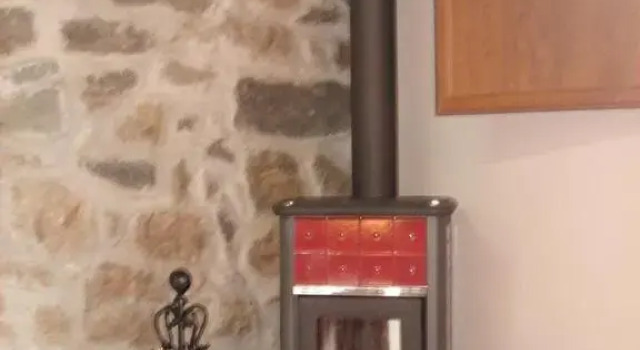
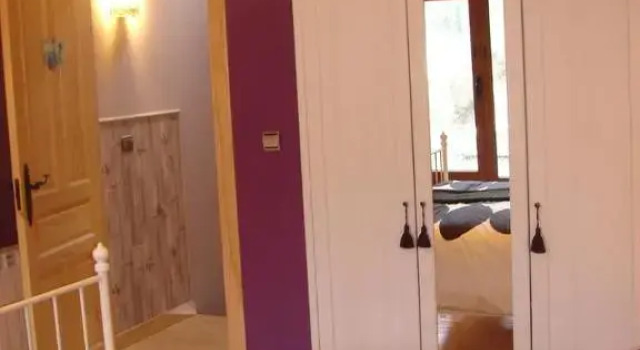
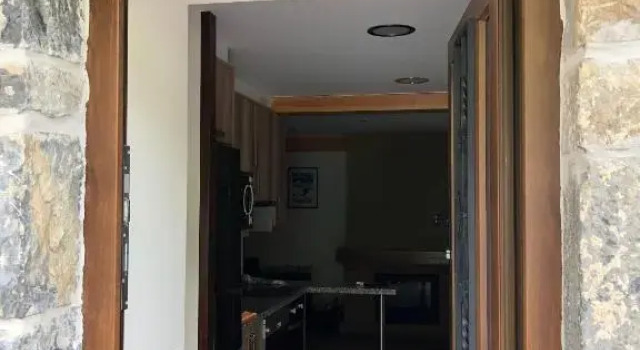
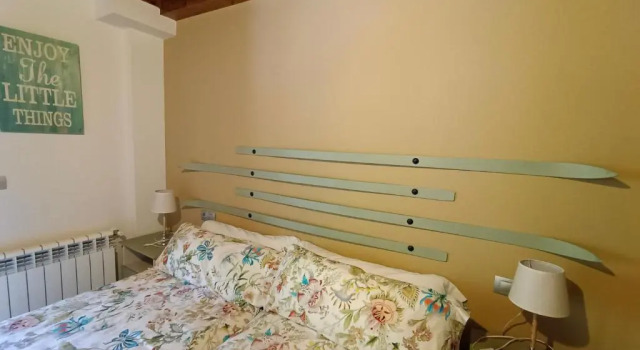
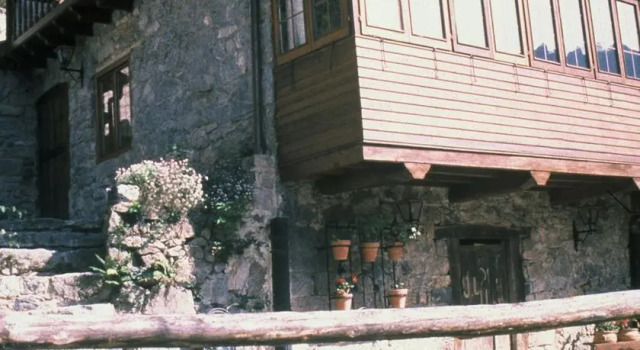
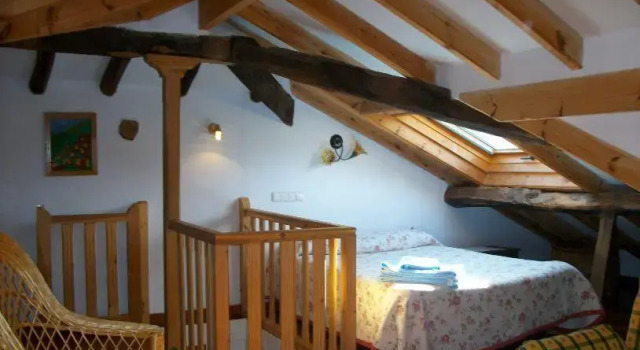
Accommodation choices near Hoya Cueto Negro should align with your travel style and agenda. For travelers seeking comfort and local charm, rustic inns or rural guesthouses in Cubillas de Arbas offer authentic hospitality with home-cooked meals and cozy atmospheres, ideal for relaxing after a day’s trek. Those with a focus on adventure and flexibility might prefer self-catering apartments or cabanas, which provide more independence and easy access to hiking gear storage. Families or larger groups may find rural villas more practical, with spacious communal areas for evening gatherings.
Regardless of where you stay, aim for lodgings that emphasize sustainable practices and community integration, as this region thrives on its natural and cultural heritage. Early booking is recommended during peak seasons—spring and autumn—as accommodations can fill quickly due to the area's growing popularity among eco-tourists and nature lovers.