Haifoss, located near Ásólfsstaðir in the scenic heart of Iceland, is one of the country's most striking natural wonders. This breathtaking waterfall plunges approximately 122 meters (400 feet) into a serene canyon, creating an awe-inspiring spectacle framed by rugged cliffs and sprawling moss-covered lava fields. Known for its raw, untouched beauty, Haifoss offers visitors not just a visual feast but also a glimpse into Iceland’s volcanic past, as the surrounding landscape is shaped by ancient lava flows and tectonic activity.
The name "Haifoss" translates roughly to "High Waterfall," alluding to its tall and powerful cascade that dominates the landscape. The waterfall lies within the Þjórsárdalur valley, a region rich with geological history and pastoral charm. This area has been inhabited since medieval times, with nearby archaeological sites revealing stories of early Icelandic farming settlements. Combining nature and heritage, Haifoss invites travelers to reflect on Iceland’s ancient volcanism alongside its enduring human narratives.
Planning a visit to Haifoss requires consideration of both accessibility and seasonal conditions. The site is best reached during the summer months (June to September), when the highland roads, including gravel tracks leading to the viewing platforms, are open and safe for most vehicles. Winter visits are less common due to snow-blocked routes and harsher weather, but for experienced travelers equipped with suitable vehicles and gear, the icy, dramatic scenery offers a different kind of magic. Those aiming for a trip in shoulder seasons should carefully check road conditions and weather forecasts beforehand. On arrival, well-marked trails and viewing platforms provide safe vantage points for soaking in the waterfall's grandeur while protecting the delicate environment.
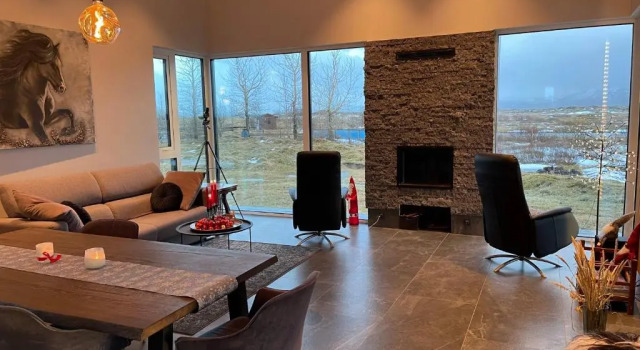
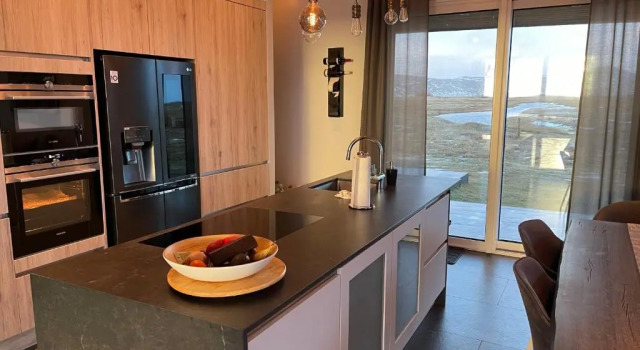
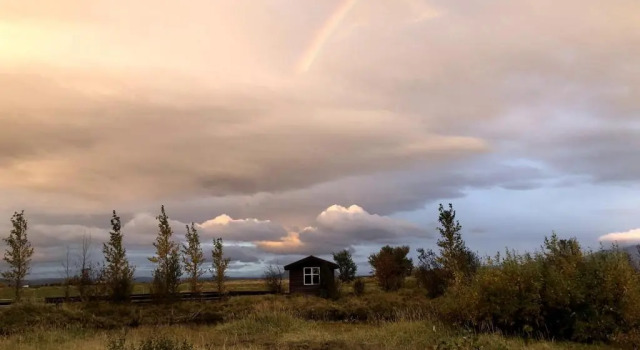
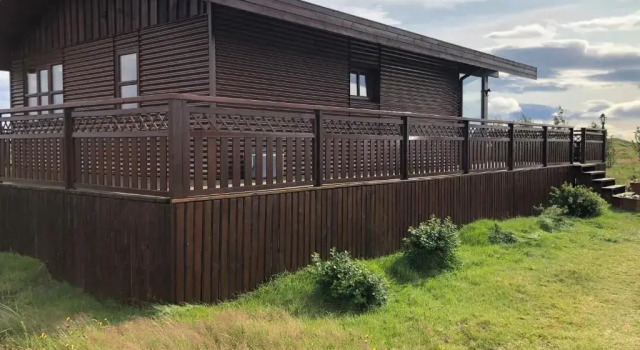
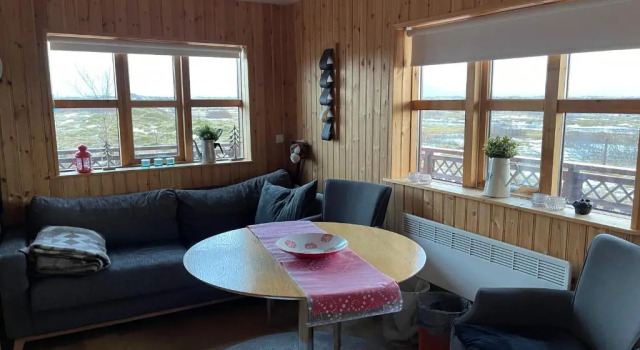
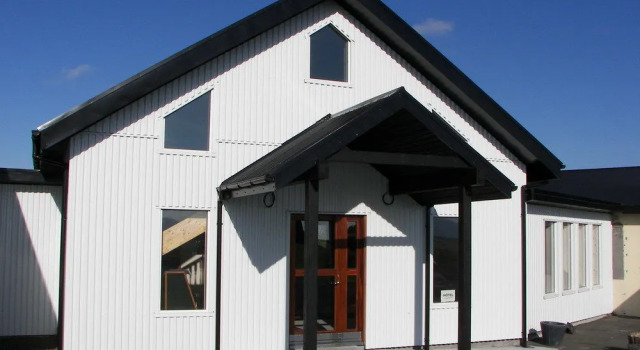
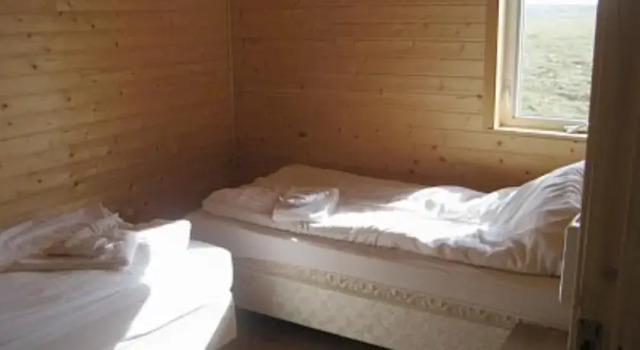
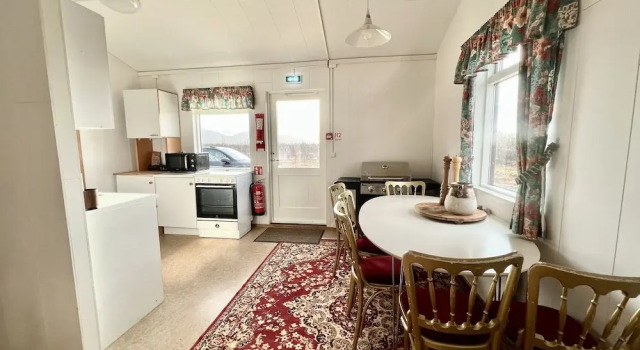
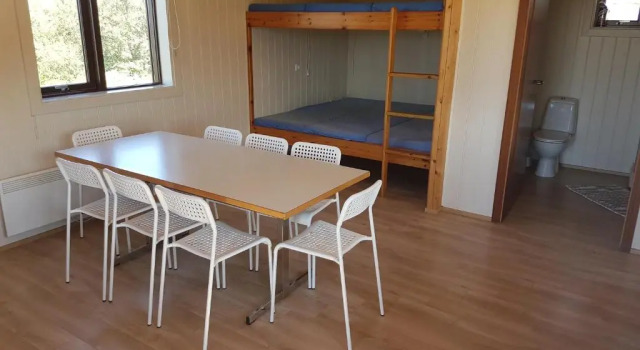
Accommodation options near Haifoss vary based on the traveler’s itinerary and preferences. For nature lovers seeking immersion in Iceland’s pristine landscape, guesthouses and cozy country inns in the Þjórsárdalur valley and nearby settlements are ideal, offering rustic comfort with easy access to the falls and other local attractions like Gjáin canyon and the historic Stöng farm ruins. Families or groups might prefer renting apartments or small cottages that provide privacy and amenities for longer stays. For travelers balancing exploration with convenience, hotels in larger towns farther away can serve as comfortable bases, with day trips arranged to Haifoss and surrounding areas. When choosing a place to stay, consider factors such as proximity to sites, road accessibility, and personal travel pace—whether prioritizing early morning hikes to the waterfall or more leisurely explorations of Iceland’s southern interior.