Fort Amsterdam in Anomabu stands as a striking testament to Ghana’s complex and layered history along the West African coast. Built in the early 17th century by the Dutch, this fortress served as a pivotal hub in the trans-Atlantic trade network, initially as a trading post and later as a holding site during the tragic era of the Atlantic slave trade. Today, the fort’s imposing walls, weathered by centuries of sun and sea spray, invite visitors to explore its storied chambers and imagine the lives that intertwined here—traders, soldiers, enslaved people, and local inhabitants alike.
Approaching Fort Amsterdam, visitors immediately notice its robust coastal architecture, built with thick, coral stone walls that have withstood both time and tide. Inside, winding staircases lead to ramparts that offer sweeping views of the Atlantic Ocean and the fishing village below. Exhibits within the fort provide poignant insights into its role in gold and slave trading, enriching the experience with historical context and personal stories. To fully appreciate the site, it’s advisable to join a guided tour offered by local historians who can animate the stones with detailed narratives and answer questions, deepening visitor engagement.
When planning your visit, consider the coastal climate of Anomabu—warm year-round, with a more pronounced rainy season between April and June. While the fort remains open throughout the year, the dry season from November to March offers the most comfortable weather for exploring, with less humidity and minimal rainfall. Early morning visits are ideal for cooler temperatures and softer lighting for photography, as the fort faces westward toward sunset, which transforms the sky into a dramatic canvas in the late afternoon but can also make outdoor touring warmer.
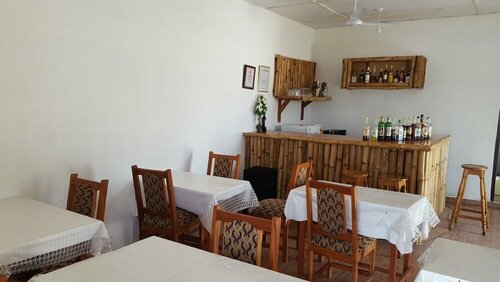
Accommodation choices near Fort Amsterdam vary depending on your travel goals. For those focused on history and culture, staying in guesthouses or boutique inns within walking distance of the fort allows immersive access to the village’s daily rhythm. These options often provide authentic Ghanaian hospitality and opportunities to engage with the local community. If your trip is more leisure-oriented or includes family travel, seaside resorts and apartment rentals a little farther from the village center offer modern amenities, swimming pools, and beachfront relaxation, balancing convenience with comfort. Many accommodations provide easy transport options to the fort and surrounding attractions, so it’s wise to consider whether you prefer the vibrant atmosphere of the village or a more tranquil retreat by the ocean.
The blend of history, culture, and natural beauty around Fort Amsterdam makes planning your stay here a thoughtful exercise in balancing exploration with relaxation. Whether wandering the fortress walls or sampling the local cuisine nearby, visitors find that thoughtful accommodation choices enhance the enriching experience at this significant Ghanaian landmark.