Perched majestically atop a volcanic rock overlooking the confluence of the River Clyde and the River Leven, Dumbarton Castle offers visitors a striking blend of natural beauty and deep-rooted history. This ancient fortress, once a formidable stronghold of the Kingdom of Strathclyde, boasts remnants dating back over 1,500 years. Throughout the centuries, the castle has witnessed Viking sieges, medieval battles, and Tudor conflicts, its stone walls silently narrating tales of Scotland’s turbulent past. The fortress’s strategic location provided control over important waterways, making it a coveted prize for multiple rulers, including the Romans, the Scots, and later, the English Crown.
Exploring Dumbarton Castle today, visitors can wander along ramparts that command panoramic views across the surrounding countryside and the bustling estuary. The site’s visitor center offers engaging exhibitions that delve into the castle’s layered history, while helpful guides and informational plaques bring to life the fortress’s many roles through ages. To make the most of your experience, consider visiting during spring or late summer when milder weather invites comfortable outdoor exploration and the gardens burst into color. Winter months can be more challenging due to reduced accessibility and shorter daylight, so planning ahead is key.
When arranging your visit, allow at least two to three hours to fully appreciate the castle and its grounds, including a climb to the summit of Dumbarton Rock, a rewarding vantage point for photography enthusiasts. Entry times and guided tours may vary seasonally, so checking the official website or local tourist offices before your trip is advisable to avoid surprises.
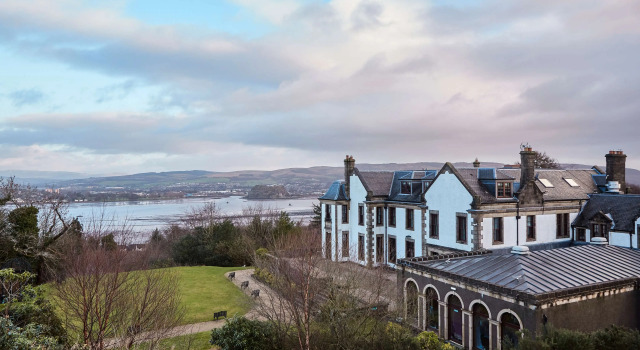
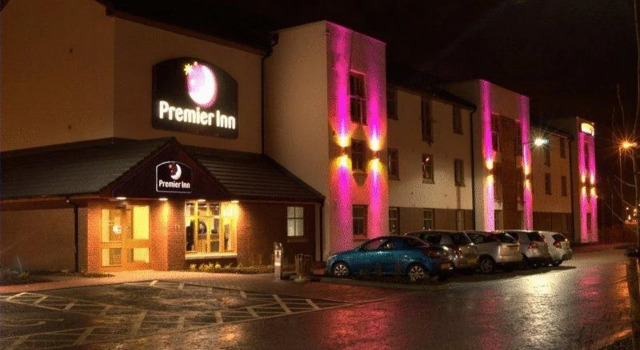
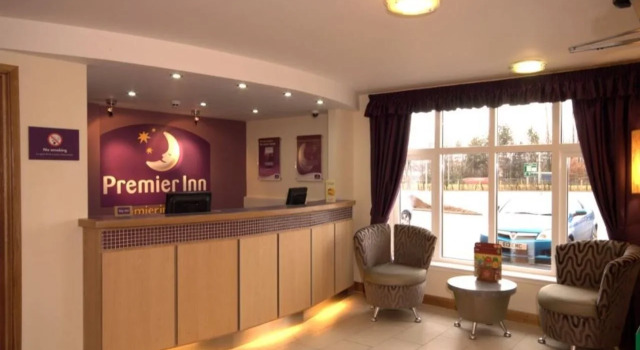
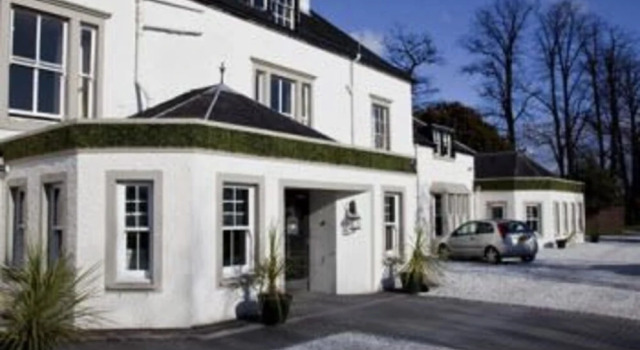
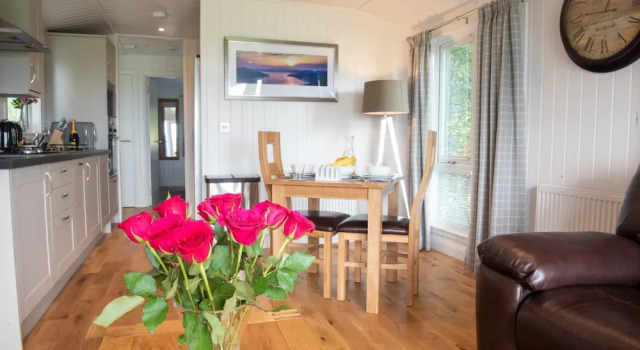
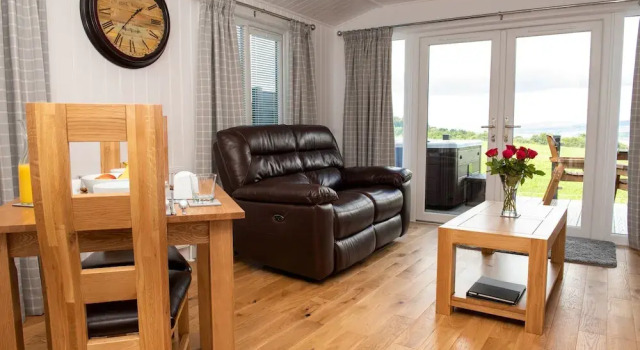
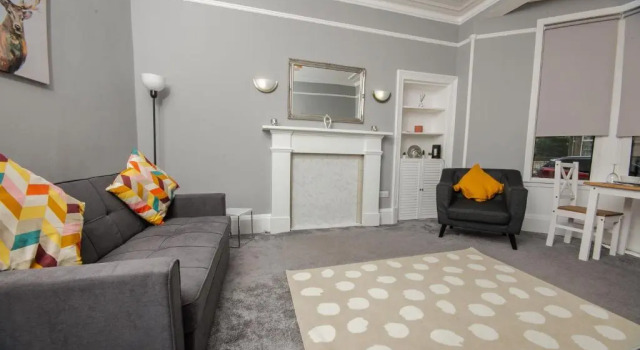
For accommodation, Dumbarton offers a variety of options catering to diverse traveler needs. If your priority is convenience and a leisurely pace, hotels and bed-and-breakfasts located near the town center provide easy access to local amenities, dining, and transport links. These are ideal for families or those seeking a relaxed stay with modern comforts. For visitors whose focus is historical exploration or outdoor adventures, boutique inns or self-catering apartments closer to the castle or along the riverfront combine charm with proximity to the site. Such choices often afford quieter evenings and scenic surroundings, perfect for unwinding after a day of sightseeing.
Business travelers or guests aiming for a blend of urban and cultural experiences might prefer accommodations boasting conference facilities or proximity to nearby Glasgow, which lies roughly 20 miles away.