Dominating the landscape of the Palatinate region, Donnersberg mountain near the quaint village of Dannenfels stands as the highest peak in the Palatinate Forest, reaching an elevation of 687 meters. Steeped in both natural beauty and rich history, Donnersberg offers travelers a unique blend of outdoor adventure and cultural exploration. The mountain’s name, meaning “Thunder Mountain,” is thought to derive from the volcanic activity that shaped the region millions of years ago, leaving behind a rugged terrain peppered with basalt formations and dense woodlands.
Historically, Donnersberg is a treasure trove. Archaeological excavations have uncovered remnants of a large Celtic hillfort dating back to around 500 BCE, making it one of the most significant Iron Age sites in Central Europe. Visitors can explore the ruins of ramparts, gates, and ancient settlements while imagining the strategic importance this upland provided to Celtic tribes. The site is accessible via well-marked hiking trails that weave through inviting forests, alongside interpretive signs offering insights into the mountain’s storied past.
Visiting Donnersberg is rewarding year-round but requires some planning to fully appreciate its many facets. Spring and early autumn are ideal for hiking when temperatures are mild and the forest displays vibrant colors. Summer months attract more visitors, benefiting from longer daylight hours, though afternoons can be warm and occasionally rainy. Winter transforms the area into a tranquil retreat, with occasional snow blanketing the landscape—perfect for peaceful walks, if visitors are prepared for chilly conditions and potentially slippery paths.
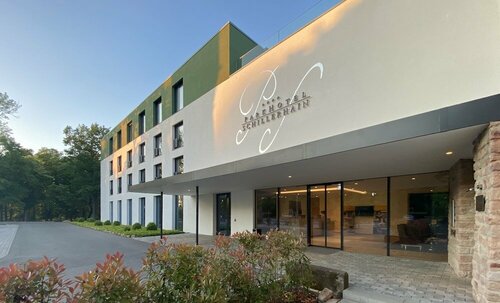
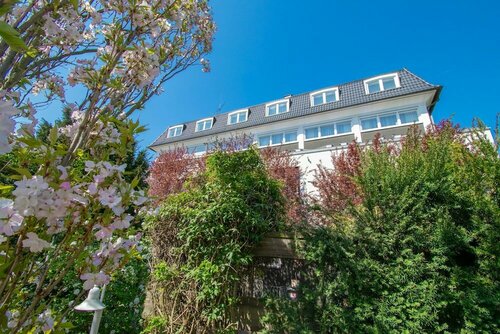
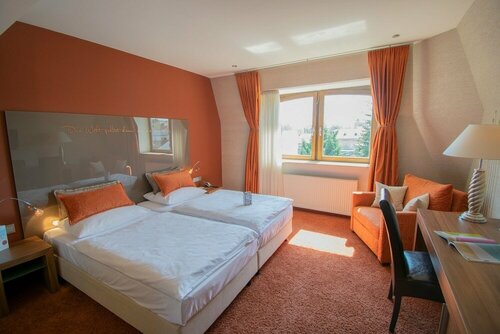
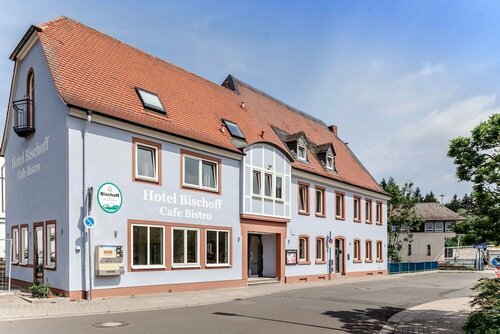
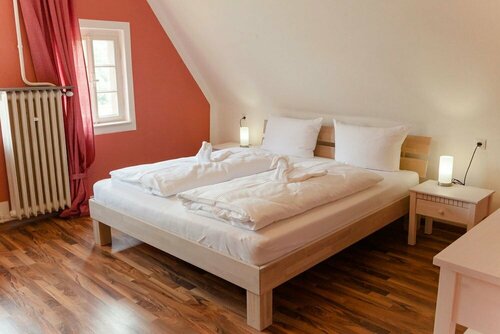
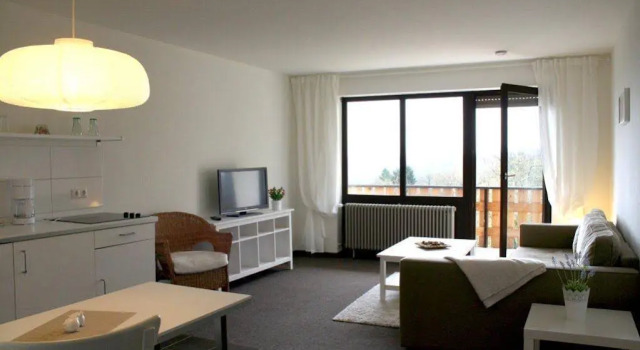
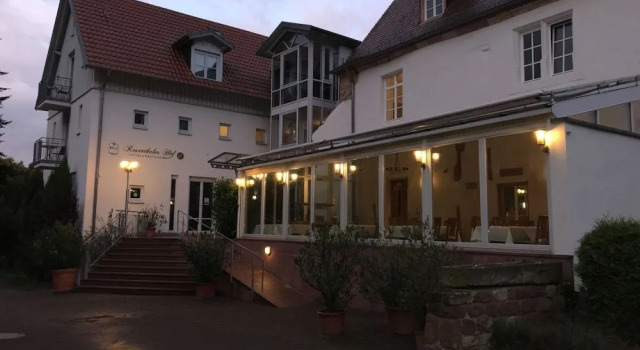
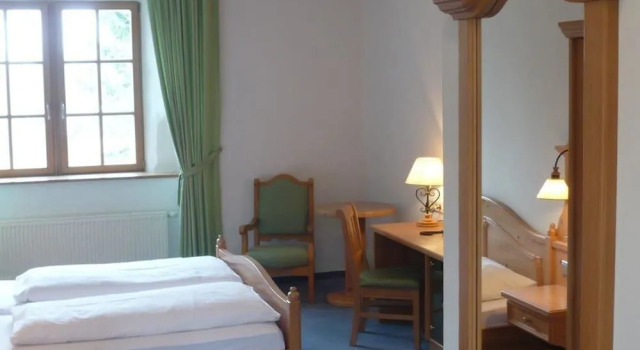
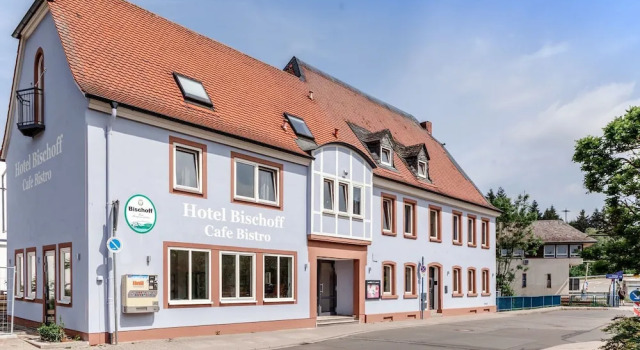
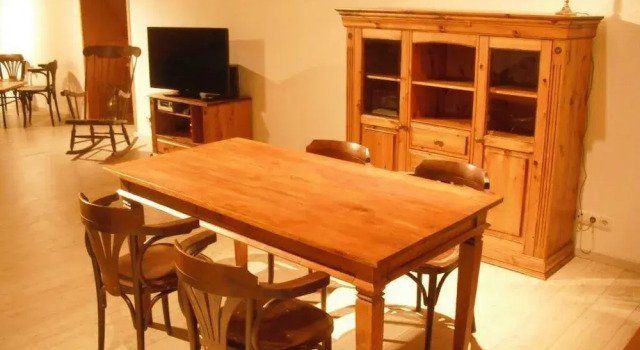
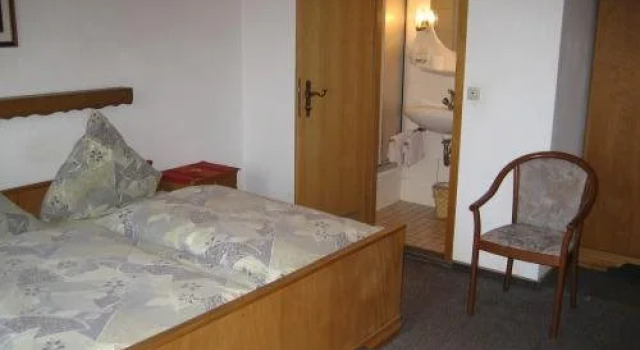
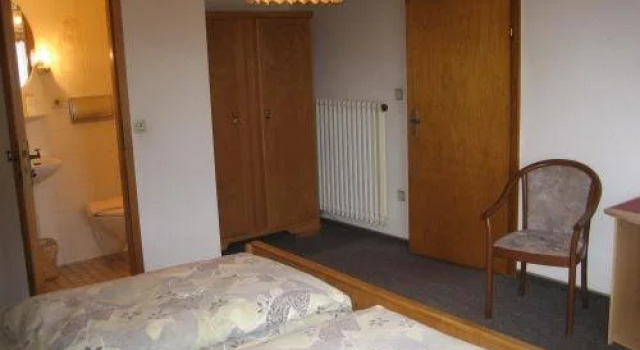
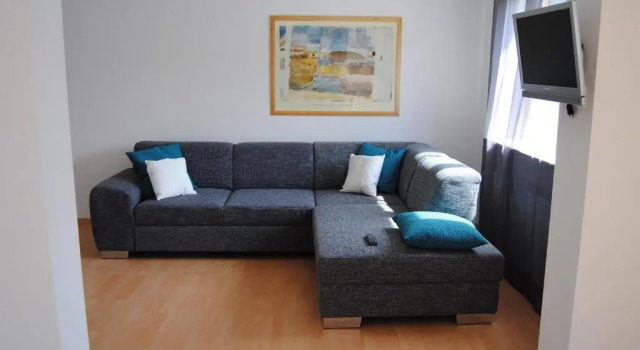
Those intending to explore Donnersberg generally find Dannenfels an excellent base. This charming village lies near the mountain’s foothills and offers a variety of accommodations ranging from cozy inns to vacation apartments. For travelers focused on outdoor activities and seamless access to trails, selecting lodgings in Dannenfels or nearby villages is ideal as it minimizes commute times and maximizes time in nature. Food enthusiasts will appreciate the local wineries and traditional Palatinate cuisine available in nearby eateries, meaning accommodations with kitchen facilities might prove advantageous for those keen on savoring regional flavors at leisure.
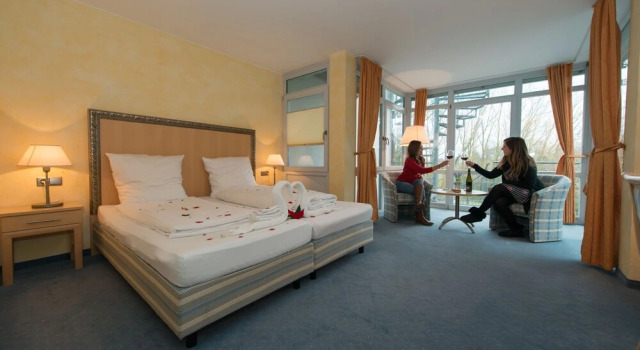
If your visit prioritizes comfort and relaxation after a day of hiking, look for hotels offering wellness amenities such as spas or saunas, often found in slightly larger towns within easy driving distance. Families or groups may prefer apartments or guesthouses with more space and flexibility, while solo travelers or couples might opt for boutique inns that combine rustic charm with personalized service.