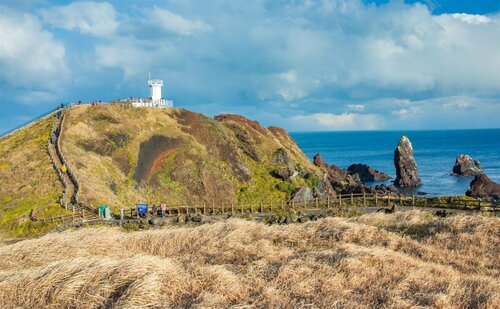
Nestled in the scenic city of Seogwipo on Jeju Island, Dong-Amsa is a captivating cultural and historical attraction that offers travelers a unique glimpse into Korea’s rich Buddhist heritage. This serene temple, cloaked in the lush greenery of Jeju’s southern coast, dates back several centuries and is celebrated for its exquisitely preserved stone Buddhist sculptures and tranquil atmosphere. Unlike many larger temples that bustle with tourists, Dong-Amsa maintains an intimate charm, making it an ideal destination for those seeking peaceful reflection and a deeper connection to Korea’s spiritual traditions.
Visitors to Dong-Amsa can explore its ancient rock carvings, which are considered nationally significant cultural assets. These beautiful sculptures, etched into volcanic rock, embody the artistry and religious symbolism of the region’s past. Exploring the site also means immersing oneself in the natural environment—marked by hiking trails and carefully tended temple grounds, it is a place where history and nature harmoniously intersect. The best time to visit is during spring and autumn, when mild weather and colorful foliage enhance both the temple’s visual appeal and comfort for walking around. Summers can be warm and humid, while winters, though quieter, may feel bleak due to the temple’s coastal exposure.
To fully appreciate Dong-Amsa, it’s wise to plan for a half-day visit, ideally paired with nearby attractions in Seogwipo like Cheonjiyeon Waterfall or the vibrant local markets. Early mornings are particularly magical, as soft sunlight filters through the tree canopies, and the crowds have yet to arrive. Photographers and contemplative travelers will find these tranquil hours particularly rewarding.
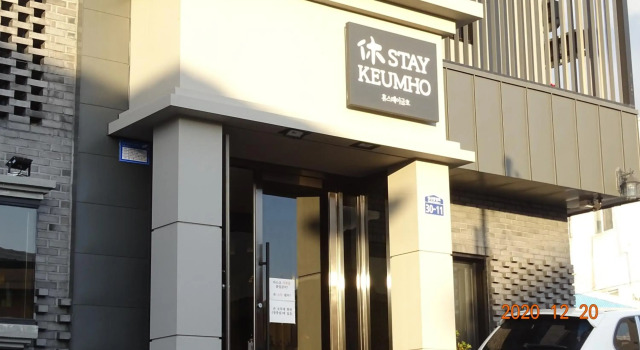
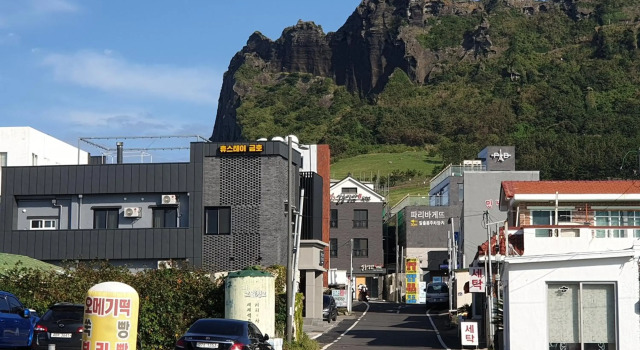
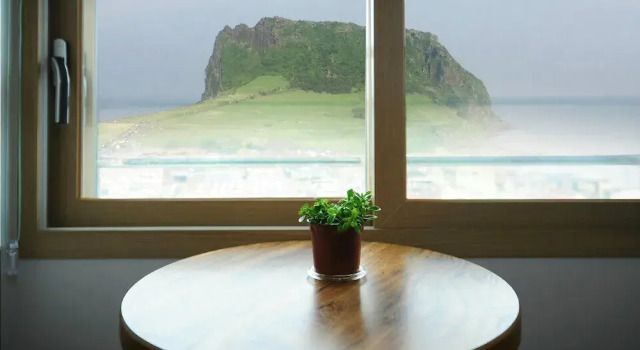
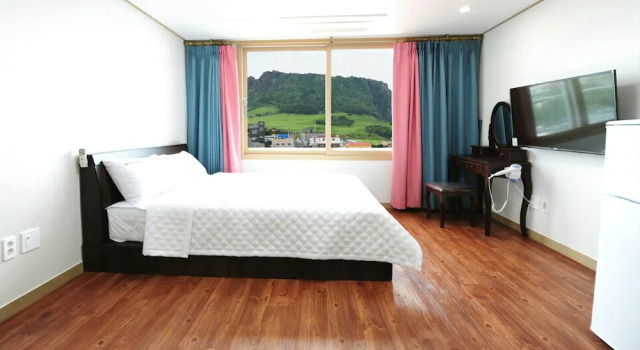
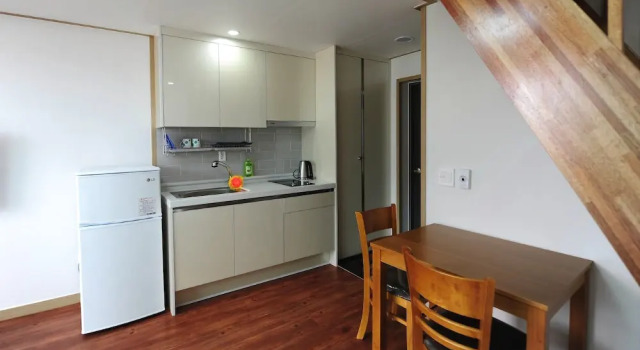
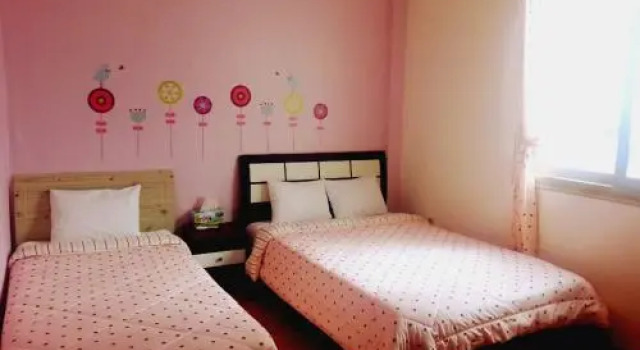
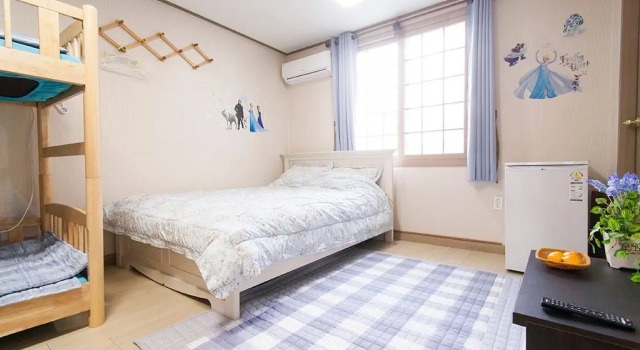
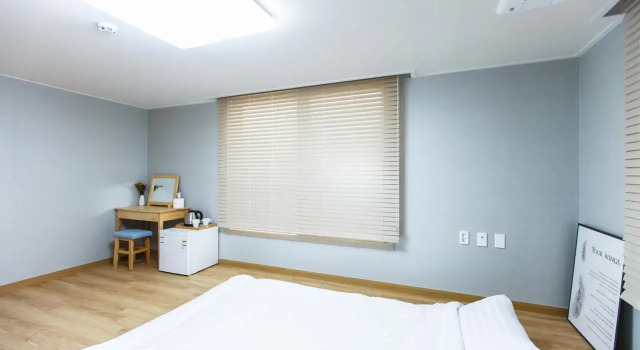
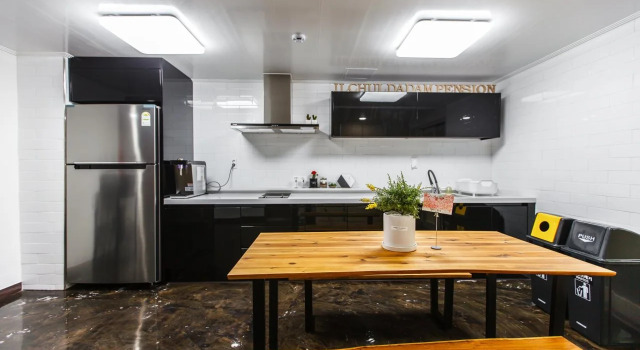
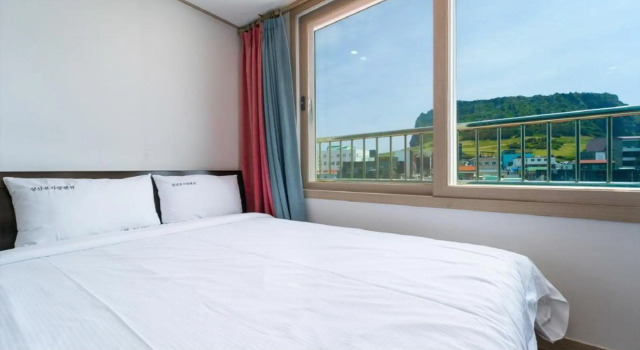
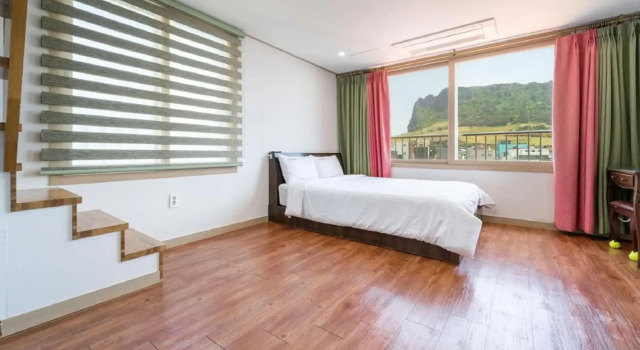
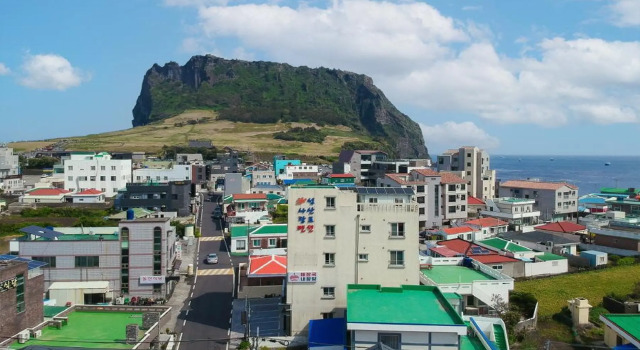
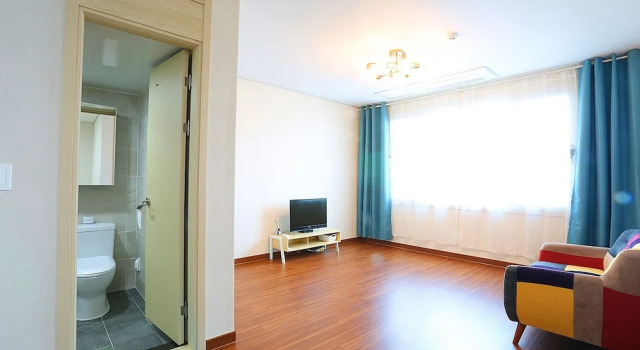
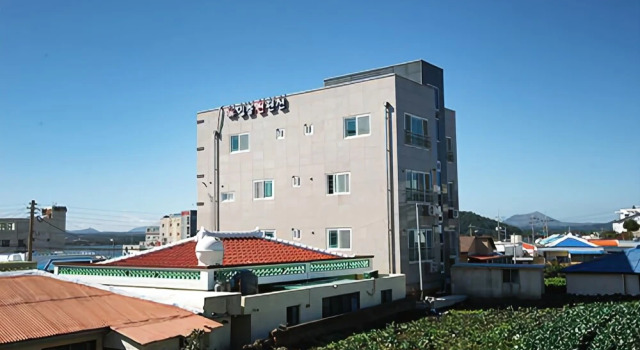
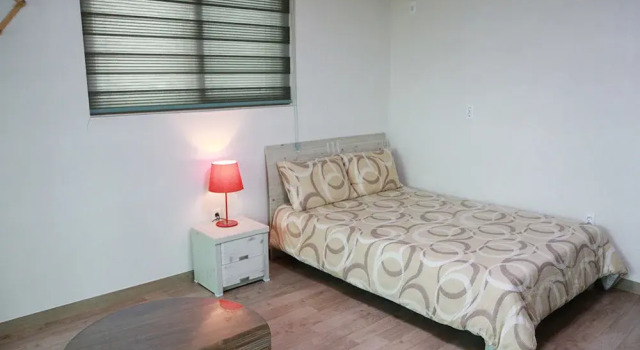
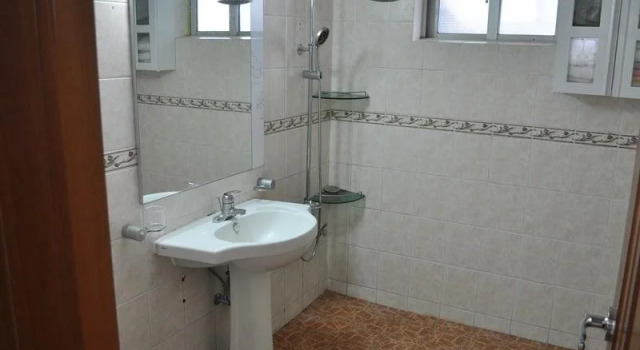
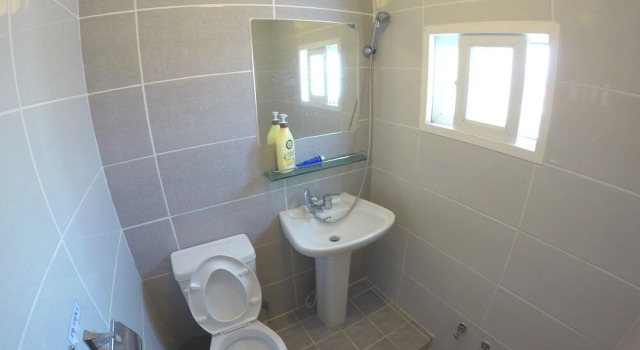
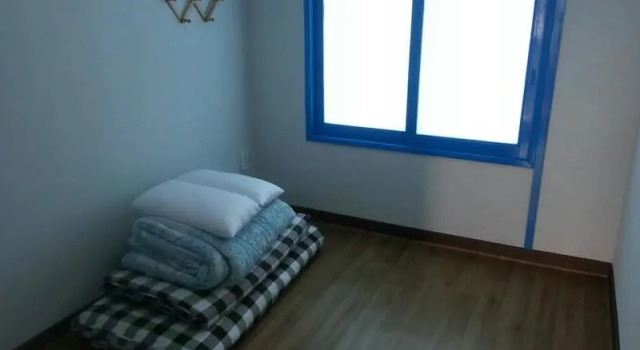
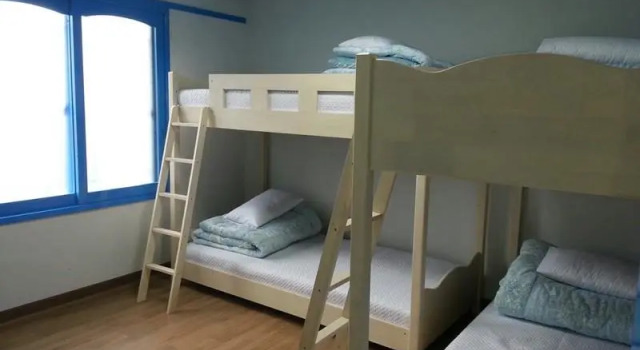
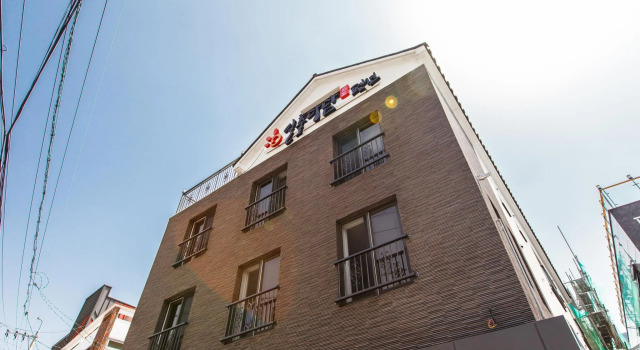
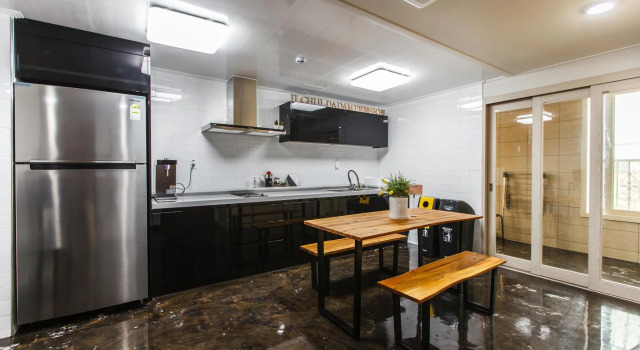
Choosing where to stay near Dong-Amsa depends largely on your travel objectives. For those looking to immerse themselves in nature and enjoy leisurely exploration, boutique guesthouses and traditional hanok inns nestled in Seogwipo’s calmer neighborhoods provide a culturally authentic and restful experience. These accommodations often offer closer proximity to natural hiking routes and allow early access to temple grounds. On the other hand, travelers prioritizing convenience and modern comforts might prefer hotels or serviced apartments near Seogwipo’s bustling downtown. Here, amenities are plentiful—restaurants, cafes, and transportation hubs make sightseeing more accessible, especially if your itinerary includes multiple stops across Jeju Island. Families or extended groups can benefit from opting for rental villas or apartments, which provide spacious living areas and kitchen facilities, perfect for longer stays.
Whichever lodging option you select, staying in Seogwipo city places Dong-Amsa within easy reach by car or local bus, ensuring that this tranquil historical site can be a peaceful retreat amid the vibrant energy of Jeju’s southern side.