Nestled in the heart of Sabah, Malaysian Borneo, Crocker Range National Park stands as a verdant sanctuary of biodiversity and natural serenity. Spanning over 1,399 square kilometers, this expansive park is part of a mountain range that serves as a natural barrier between the west and east coasts of Sabah. Established in 1984, the park covers pristine rainforests that rise to several thousand feet in elevation, creating a lush environment where cool mist drapes over ancient trees, ferns, and orchids. Visitors are enchanted by the park’s diverse flora and fauna, including rare species such as the orangutan and the Bornean gibbon, making it a must-visit destination for nature enthusiasts and wildlife photographers alike.
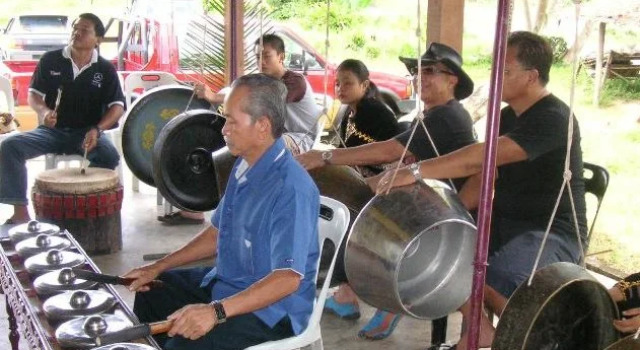
The rich history of Crocker Range National Park is closely linked to the indigenous communities who have lived in harmony with this landscape for generations. The park houses numerous trails that weave through ethereal cloud forests and picturesque valleys, showcasing both the ecological importance and cultural heritage of the region. Seasonal rainfall patterns influence the best times to explore its trails: the dry season from March to October offers the most comfortable trekking conditions, whereas the wet season can turn paths slippery but intensifies the rainforest’s vivid green hues and the waterfall flows.
Planning a visit to Crocker Range demands some preparation. Because the terrain is mountainous and often shrouded in mist, sturdy footwear and layered clothing are recommended. Early mornings provide the best opportunities to spot elusive wildlife and enjoy panoramic views before the clouds roll in. Guided tours can enhance the hiking experience, offering insights into the park’s ecology and local lore—information kiosks at entry points provide details on available routes and precautions.
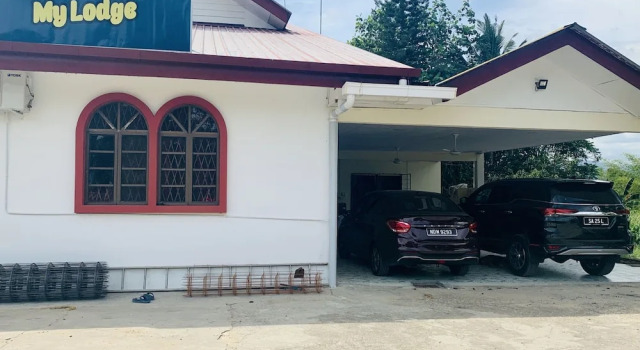
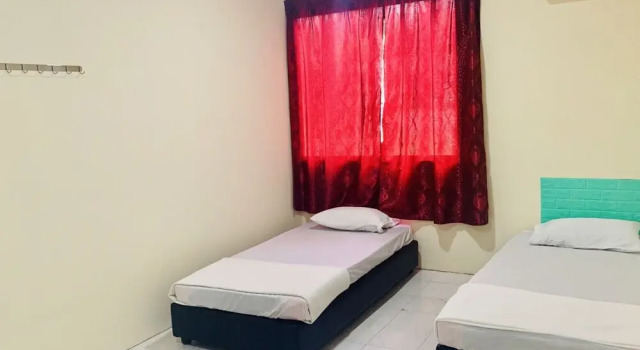
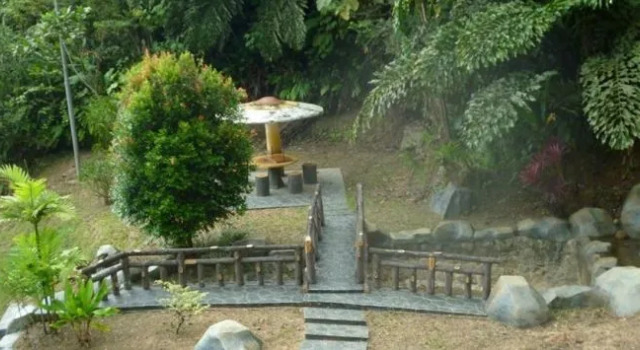
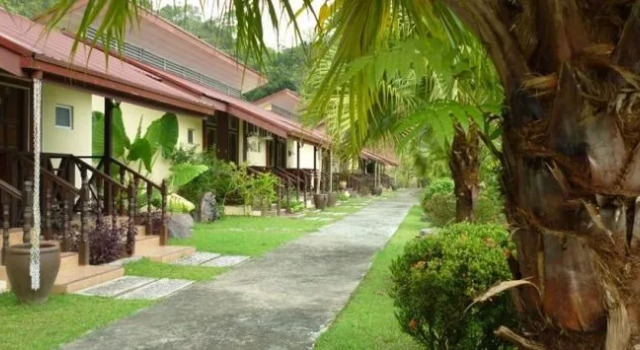
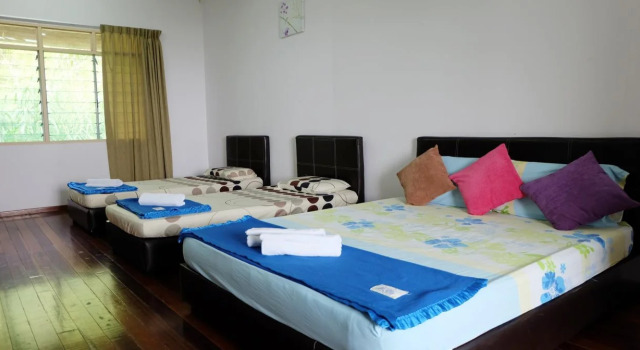
When it comes to accommodation near Crocker Range National Park, options range from rustic inns and eco-lodges to comfortable hotels and private apartments. Travelers drawn by adventure and immersion in nature might prefer staying in nearby villages or small lodges that focus on sustainability and community involvement, providing authentic cultural exchanges and direct access to trailheads. Those seeking more comfort or traveling with families might opt for hotels located in Papar town, where amenities are modern yet conveniently positioned for day trips into the park. Booking accommodation with flexible cancellation policies is wise, considering the variable weather conditions. Proximity to local markets and dining establishments also enhances the stay, especially for visitors keen to sample Sabahan cuisine after a day of exploration.