The Chalbi Desert, located near Bomet in Kenya, is a captivating landscape that contrasts strikingly with the region’s typically lush surroundings. Known primarily for its expansive, arid terrain marked by salt flats, volcanic outcrops, and shifting dunes, Chalbi offers travelers an unspoiled window into one of East Africa’s most unique ecosystems. This desert’s name originates from the Rendille word for "bare," a fitting description given its barren beauty. Though often overshadowed by the more famous Great Rift Valley and savannah reserves, Chalbi Desert holds a quiet charm for adventurers seeking solitude and raw natural vistas.
Historically, the Chalbi Desert has been a home and travel corridor for pastoralist communities such as the Rendille and Gabra people, whose intricate knowledge of the harsh environment has been passed down for generations. Their resilient lifestyle and cultural heritage add a rich human dimension to the otherwise stark landscape. Additionally, the desert’s salt pans have historically served as trade routes where salt was exchanged for livestock, embedding the area with both economic and cultural significance.
When planning a visit to Chalbi Desert, the dry season between June and October is ideal. During these months, temperatures are cooler and more tolerable, and accessibility improves as there is less risk of flash flooding. However, visitors should prepare for extreme daytime heat and chilly nights, packing appropriate gear such as sun protection, lightweight clothing, and warm layers. Given the lack of facilities within the desert itself, guided tours are highly recommended to ensure safety and enhance your experience with local insights into the ecosystem and cultural landmarks.
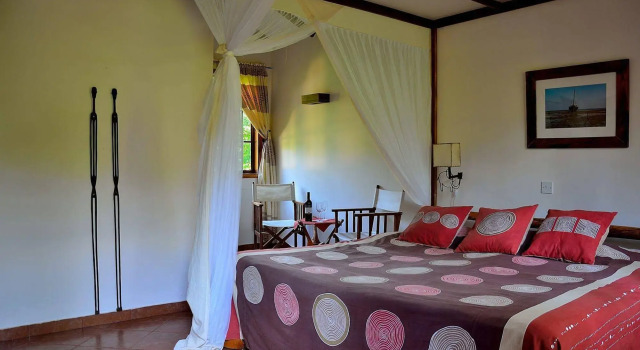
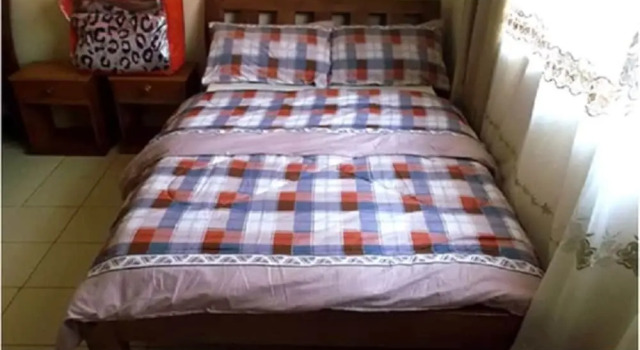
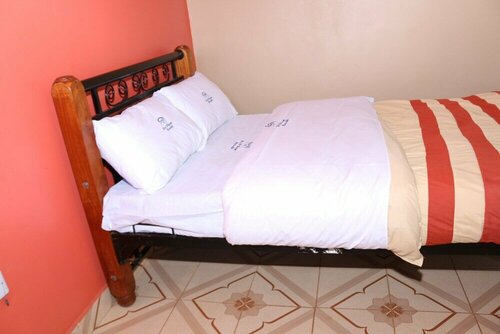
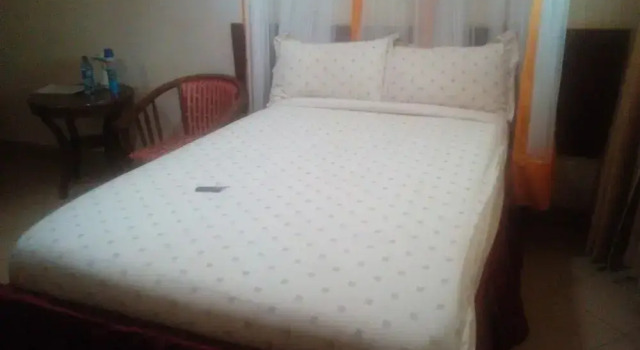
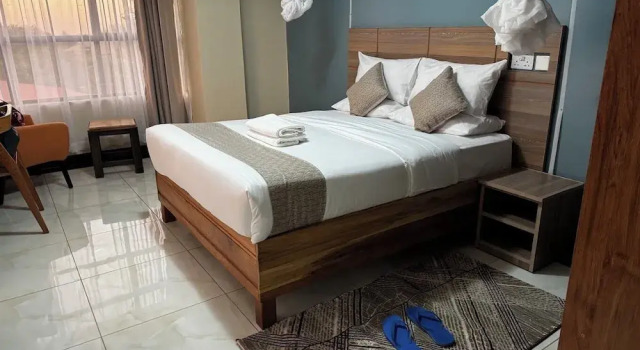
Accommodation options near Chalbi Desert are relatively limited due to its remote nature, but the nearby town of Bomet provides a range of choices that cater to different traveler needs. For adventure-focused visitors seeking comfort and easy access, boutique lodges and eco-retreats on the desert’s fringes offer immersive experiences without sacrificing amenities. These tend to blend sustainability with local culture, providing an authentic yet comfortable base. Travelers prioritizing budget may find guesthouses and small inns in Bomet town practical, benefiting from local markets and restaurants to round out their stay. Renting self-catering apartments or holiday homes can suit longer stays or families seeking privacy and flexibility.
Choosing your accommodation should hinge on your travel goals: if you’re there for the desert’s natural wonders and cultural exploration, opting for a lodge closer to the edge of the desert makes sense. If your trip includes broader regional sightseeing or business, staying in Bomet town ensures connectivity and convenience. Regardless of your choice, early booking is advisable, especially during the peak dry season when desert tourism picks up.
With its blend of geological intrigue, rich cultural backdrop, and a tranquil expanse rarely crowded by tourists, the Chalbi Desert near Bomet invites travelers to experience a side of Kenya that is both untamed and deeply storied. Planning your visit thoughtfully will unlock the full potential of this remarkable destination.