Nestled near the serene coastal village of Gialiskari, Agia Irini stands as a captivating blend of spiritual heritage and natural beauty. This charming chapel, dedicated to Saint Irene, has roots tracing back to the Byzantine era, offering travelers not only a place of worship but a window into the historical tapestry of the region. The small, whitewashed church, crowned with its trademark blue dome, reflects the quintessential Cycladic architecture that harmonizes perfectly with the surrounding olive groves and the glistening sea beyond. Agia Irini is more than a religious site; it is an emblem of local culture and resilience, having been lovingly restored over centuries to preserve its original charm.
Visiting Agia Irini provides a peaceful retreat into a slower, more contemplative pace of life. The best time to experience this locale is during late spring through early autumn, when the Mediterranean sun bathes the landscape in warm, golden hues. Summers, though pleasant, can be quite busy, especially in August, when local festivals honoring Saint Irene attract visitors and worshippers alike. Planning your trip around these dates allows you to partake in traditional celebrations, though it also means accommodation fills up quickly. For a quieter, more intimate experience, consider visiting during the shoulder seasons of May-June or September-October, when mild weather promotes comfortable exploration and fewer crowds.
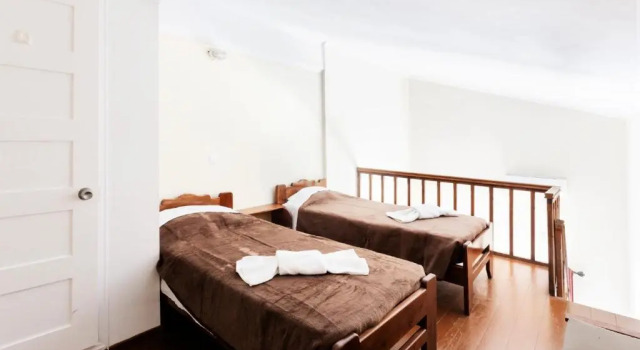
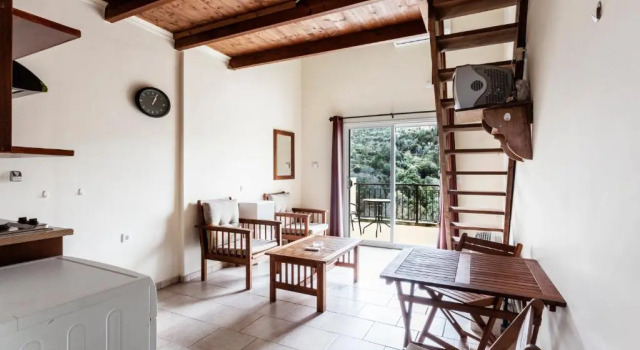
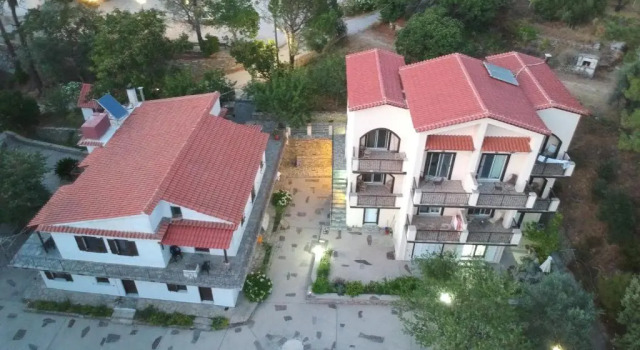
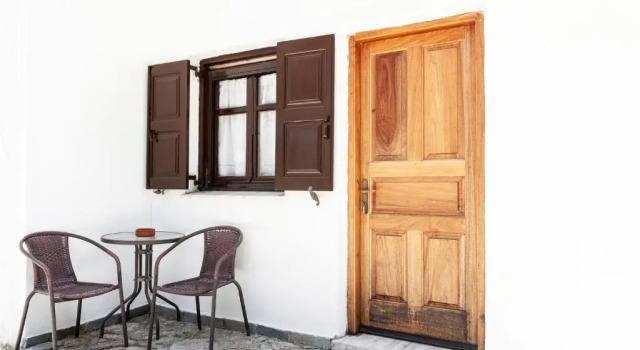
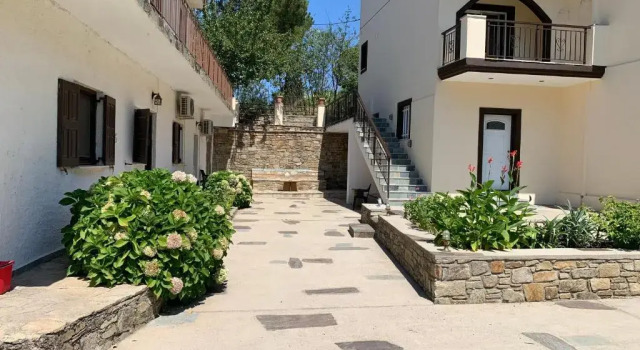
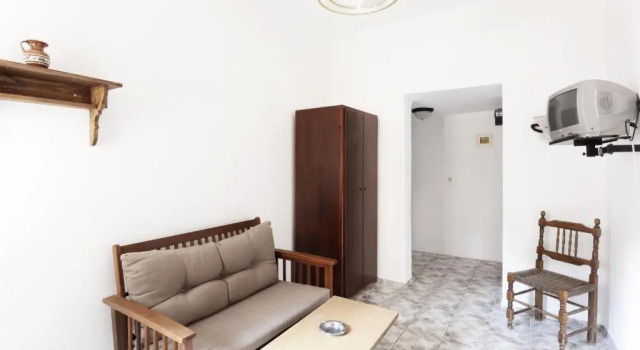
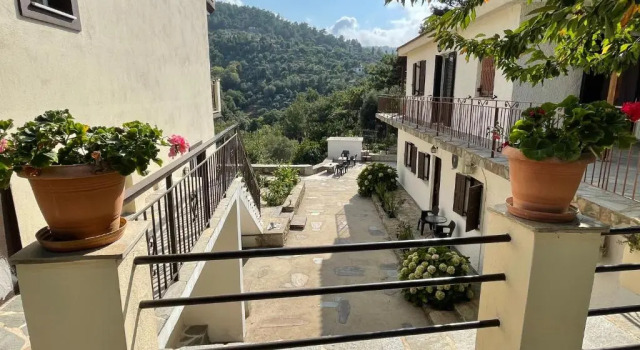
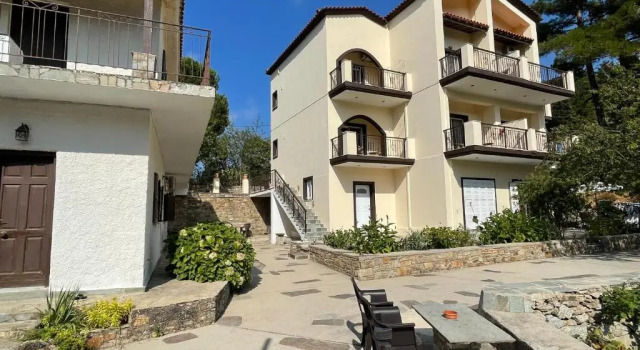
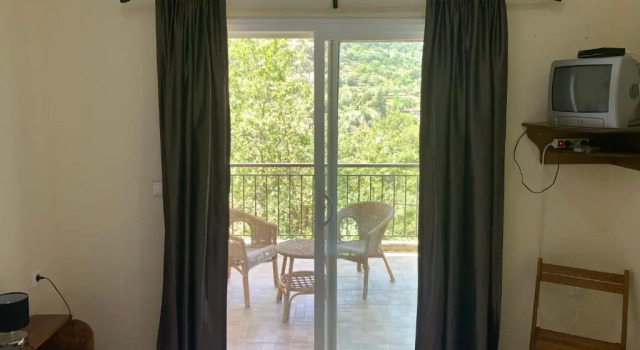
When deciding where to stay near Agia Irini and Gialiskari, the choice largely hinges on the nature of your trip. For travelers seeking comfort and convenience, boutique hotels and well-appointed inns in Gialiskari offer modern amenities coupled with authentic local charm. These options put you within easy walking distance of the chapel and nearby tavernas serving fresh seafood and local delicacies. Those aiming for a more immersive experience might prefer renting a seaside apartment or a traditional stone house in the surrounding countryside, ideal for longer stays and offering stunning views along with privacy and tranquility. Families and groups may find villas with full kitchens and outdoor spaces to be perfect for relaxed, flexible itineraries.
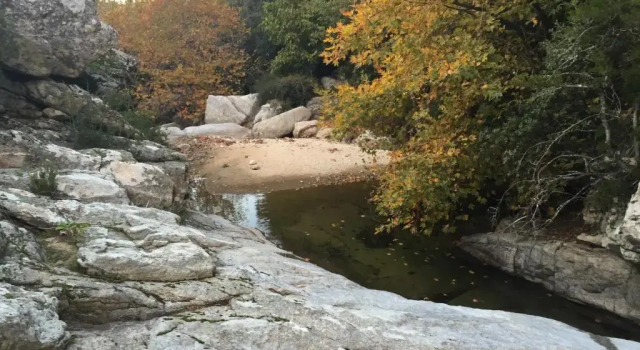
Practical advice for visitors includes wearing comfortable shoes, as the path to Agia Irini involves some gentle hiking through olive groves and uneven terrain. Sunscreen and water are essential during warmer months, while a light jacket comes handy if you visit in the late afternoon or during cooler months. Photography enthusiasts will appreciate the chapel’s picturesque setting, with the afternoon light providing excellent conditions for capturing the vibrant contrasts of the sea, sky, and building. Connecting with locals at nearby cafes can also enrich your visit, offering stories and insights that deepen your appreciation of Agia Irini’s place within the cultural landscape. Whether a spiritual stop, a historical interest, or a scenic detour, spending time around Agia Irini promises a rewarding experience tinged with the timeless spirit of Greece’s island soul.